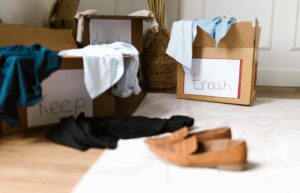
Home Organization Checklist for Every Room
Every room creates clutter for a different reason. A kitchen, bedroom, entryway, and bathroom do not need the same solution, even if they all look messy at the same time.
This room-by-room approach keeps the work practical. Each area gets a clear job, a stopping point, and a simple way to recover after daily life starts moving through the house again.
Start with entry points and daily drop zones
The entry is where clutter often begins. Shoes, bags, keys, mail, school items, and returns pile up quickly because people are transitioning from outside to inside. If the entry has no obvious landing place, the rest of the home has to absorb the mess.
Use a narrow shelf, hook rail, basket, or tray for the items that arrive every day. Keep the system visible and easy to follow. If people have to open three doors or sort five categories before taking off their shoes, the drop zone will fail.
A good drop zone also needs a limit. If the entry basket is full, it should trigger a quick sort instead of becoming permanent storage for every receipt, leash, glove, and package return.
Reset kitchen counters around cooking habits
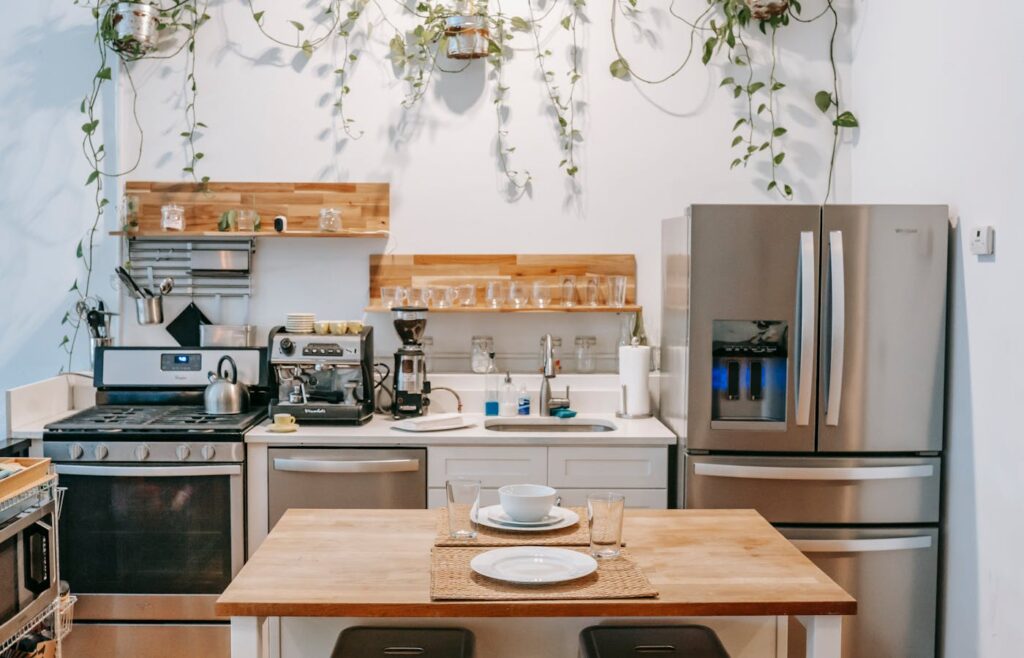
Kitchen counters should support cooking before they support storage. Clear the area near the stove, sink, and main prep space first. Move appliances you rarely use, group oils and seasonings where they make sense, and give dishes a path back to the cabinet.
The kitchen does not need to look empty. It needs enough open space to chop, plate, wipe, and put groceries down. If an item stays on the counter, it should earn that space by being used often or making cooking easier.
Counter space should be judged during cooking, not after a deep clean. If chopping, plating, or unloading groceries always requires moving appliances, the counter is storing too many low-use items.
| Area | What to check |
|---|---|
| Entry | Shoes, keys, mail, bags, and returns |
| Kitchen | Prep space, dishes, food storage, and appliance access |
| Bathroom | Daily products, towels, medicine, and backups |
| Bedroom | Laundry, bedside items, closet access, and rest cues |
Make bathroom storage easy to repeat
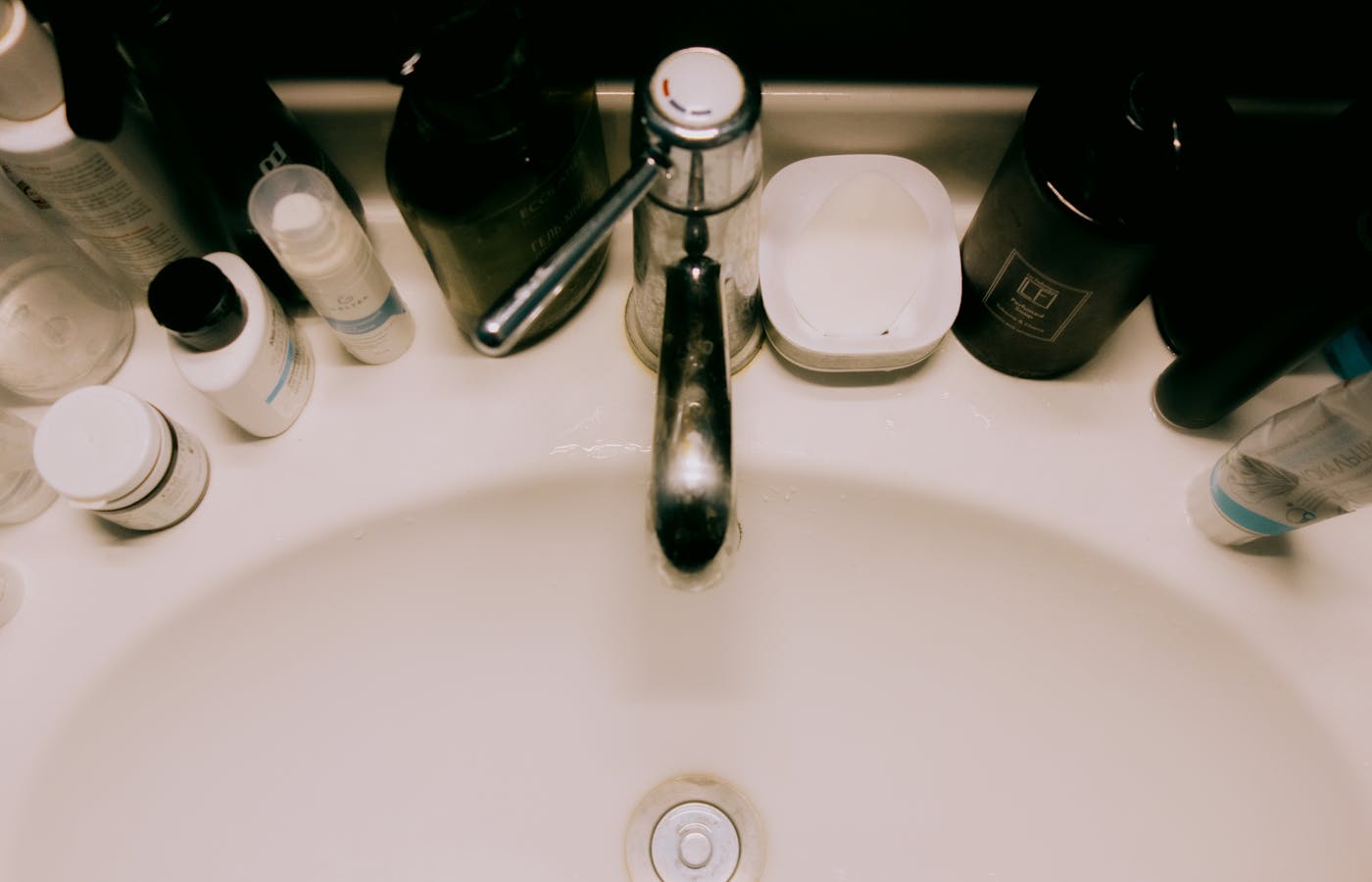
Bathrooms get messy when daily items and backup items live together. Toothpaste, skincare, hair tools, towels, medicine, cleaning products, and extra bottles all compete for small storage. Start by separating what is used daily from what is only stored there.
Daily products should be reachable without digging. Backups can sit higher, lower, or farther back. If a drawer has to be emptied to find one item, it is not organized for real use. Small bins help when each bin holds one category, not a random mix.
Bathroom routines are easier when backups stay separate from daily products. One open bin for daily items and one closed bin for refills prevents half-used bottles from filling the best drawer.
Treat bedrooms as rest and laundry zones
Bedroom clutter often has more to do with laundry than decor. Clean clothes without a home, worn-once clothes, shoes, bags, and bedside items can make the room feel unfinished even when the bed is made. Give each category a place that matches the habit.
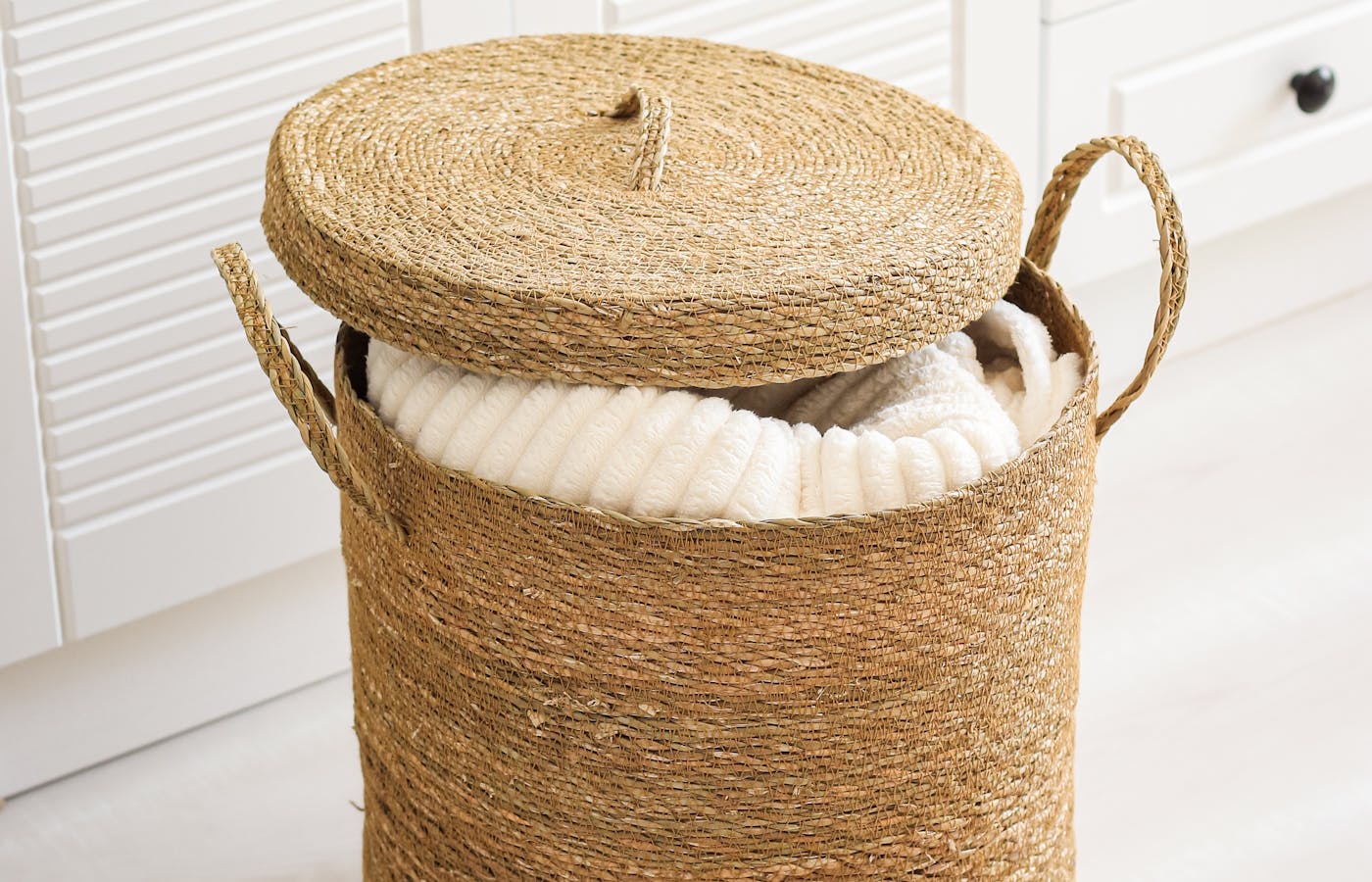
A hamper solves only dirty laundry. You may also need a hook for tomorrow clothes, a small tray for glasses and lip balm, and a clear limit for books or chargers beside the bed. The room should make rest easier, not ask for decisions at bedtime.
Bedrooms become calmer when laundry decisions are simple. A hamper, one hook for worn-once clothes, and a small bedside tray can solve more mess than adding another decorative basket.
Treat bedrooms as rest and laundry zones: Do not measure success by how the space looks immediately after cleaning. Measure it by whether the same area is easier to restore after laundry, cooking, work bags, or guests have passed through.
Give living areas a simple return path
Living rooms collect shared objects: blankets, remotes, toys, cups, books, chargers, game controllers, and pet items. The solution has to be obvious to more than one person. If only one person understands the system, the room will keep resetting back to clutter.
Use open baskets for soft items, a tray for remotes, and a shelf or cabinet for hobbies. Keep the most-used items closest to where they are used. The best living room organization is the kind people can follow while talking, watching TV, or leaving the room. The home system works better when the routine is simple enough to repeat, and clear kitchen-counter organization can support that habit in another part of the house.
Living rooms need shared rules because several people use the same space. Put remotes, blankets, chargers, games, and pet items where someone would naturally reach for them.
- Create one spot for remotes and small electronics.
- Keep blankets in a basket near the seating area.
- Move cups and dishes out during the evening reset.
- Use closed storage for mixed toys, games, or hobby items.
Control paperwork before it spreads
Paper clutter spreads because many papers feel temporary. Bills, school notices, receipts, coupons, manuals, and medical forms can all sit out because someone plans to deal with them later. Later is not a system.
Create one inbox for papers that need action and one place for papers that need filing. Recycle obvious junk right away. If a paper needs a date, appointment, payment, or signature, write the next action on it or place it somewhere that will be reviewed soon.
Paperwork needs a next action, not just a pile. Label one spot for papers to handle this week and another for records that are already finished.
Use weekly resets to protect the system
Organization does not stay finished by itself. A short weekly reset catches the categories that drift before they become another project. Walk the entry, kitchen, bathroom, bedroom, living area, paperwork spot, and laundry area with the same simple question: what is out because it has no easy home?
Adjust the home, not just the mess. If the same items keep landing in the same wrong place, the current system is asking too much. Move the basket, lower the shelf, change the container, or reduce the category until the reset becomes realistic.
A weekly reset works when it is short enough to repeat. Ten minutes of returning items and noticing weak storage beats a full-house overhaul that no one wants to do again.
Use weekly resets to protect the system: If another person shares the space, ask whether the location is obvious to them. Organization that depends on one person’s memory will not hold up as a household system.
- Walk through each room with one basket.
- Return obvious items first.
- Notice which categories keep drifting.
- Change one storage spot before buying anything new.