
Small Bathroom Organization Ideas on a Budget
Published Updated

I bring a warm, detail-oriented eye to home routines, decluttering ideas, and everyday ways to make a space feel easier to live in.
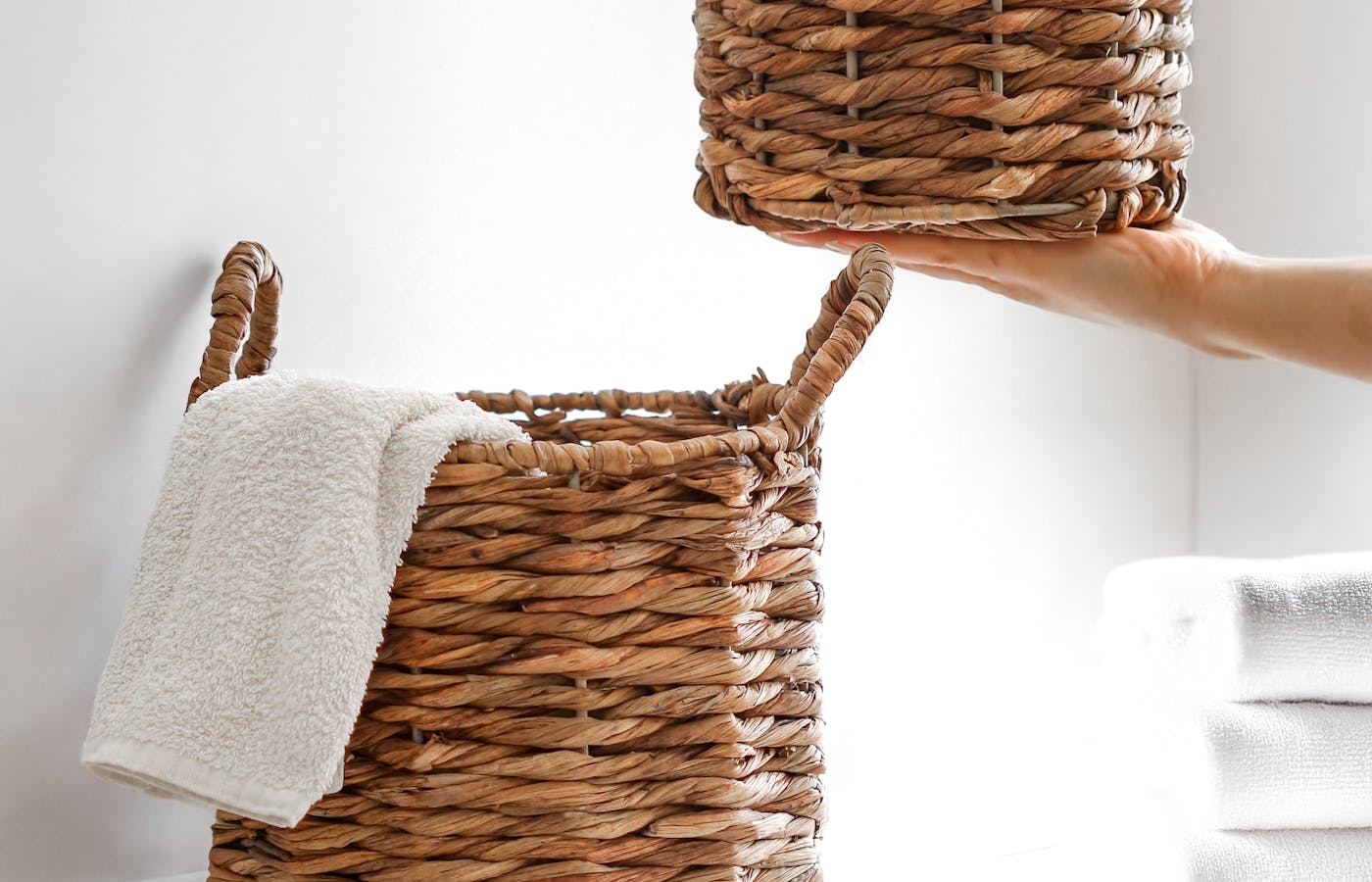
A small bathroom gets messy fast because every item is visible. Toothpaste, hair tools, extra soap, towels, paper rolls, and cleaning sprays all compete for the same narrow counter, cabinet, or floor corner. When the room is tiny, even useful things can make it feel crowded.
A budget plan starts with the storage problem rather than a matching set of accessories. Instead of buying a matching set first, you decide what needs to stay, what should move somewhere else, and which cheap container actually solves a daily problem.
Clear the counter before buying any organizer
The counter is the best place to start because it shows what the bathroom is asking for every day. Remove everything and put back only what is used morning and night. For most people, that means toothbrushes, toothpaste, hand soap, one skincare item, and maybe contact lens supplies. Everything else should earn its place.
This first pass often saves money. If five half-used products are sitting near the sink, a new tray will only make the clutter look intentional. Group extras in a bin under the sink or move them to a linen closet if there is one. A clear counter makes the room feel larger before you spend anything.
If more than one person uses the bathroom, give each person a tiny boundary instead of letting every item spread. A cup, small tray, or narrow bin can hold daily items without turning the whole counter into shared storage. Boundaries make cleanup less personal because the space itself shows what fits.
- Keep daily-use items within reach.
- Move duplicates away from the sink.
- Handle empty and expired products according to product and local disposal instructions, especially medicines and chemicals.
- Use one tray only if it limits the spread.
Use vertical space where the floor is already crowded
Small bathrooms rarely have spare floor space, so the wall has to help. A simple shelf above the toilet, adhesive hooks near the sink, or a narrow over-door rack can hold items that would otherwise sit on the counter. The goal is not to cover every wall. It is to give the most repeated items a real home.
Keep vertical storage light. Towels, small baskets, cotton rounds, extra soap, and backup toilet paper work well. Heavy bottles, glass jars, and anything you grab with wet hands should stay lower and more stable. A shelf that looks pretty but makes you nervous every time you reach for shampoo is not a win.
For renters, removable hooks and over-door options avoid drilling, but may still damage unsuitable finishes or fail if installed incorrectly. Just check the weight limit and surface type before trusting them with wet towels. A fallen hook at midnight is a small problem, but a cracked tile is a much more expensive one.
Give towels and paper products a cheap, visible home
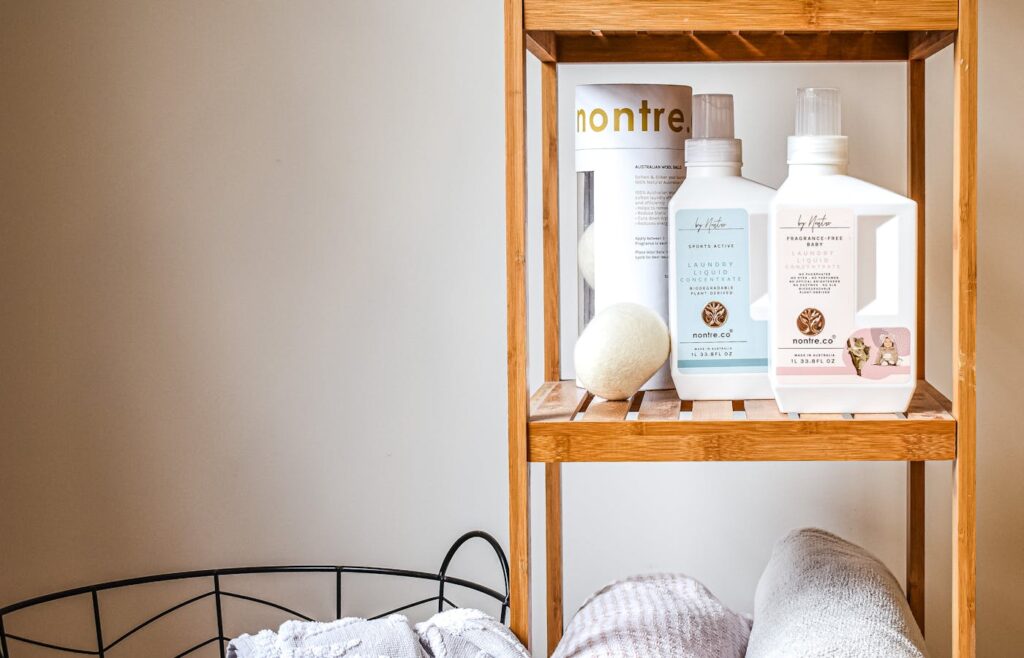
Towels and toilet paper become clutter when they are half-hidden in awkward places. A woven basket, wire bin, or simple lidded box can turn necessary supplies into something tidy. You do not need a full cabinet if the storage is easy to reach and does not block walking space.
Measure the parking spot and door swing before buying a bathroom cart. In tiny rooms, carts often become extra counters on wheels. A smaller basket beside the toilet or under a floating shelf is usually easier to keep neat. It also makes it obvious when supplies are running low.
This is also a good place to use containers you already own. A clean shoebox, small fabric bin, or spare kitchen basket can test the system before you buy anything nicer. If the size works for two weeks, then upgrading the look is a safer purchase.
Divide under-sink storage by job, not by product type
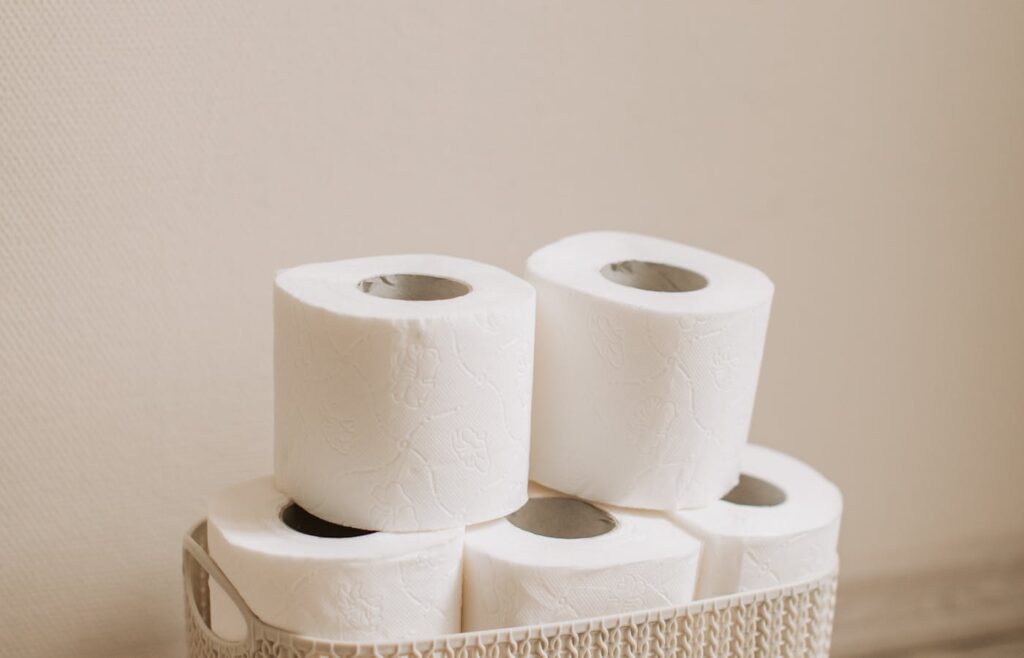
Under the sink can become a dark pile of bottles. Instead of sorting by product type, sort by job: daily grooming, backup toiletries, cleaning supplies, first aid, and travel items. This keeps the cabinet useful because you can pull out the whole group without digging behind pipes.
Use containers suited to the contents and any moisture at the chosen location. A shoebox may be useful for a dry toiletries trial but is inappropriate for chemicals or a damp cabinet. Measure the cabinet before buying anything because plumbing steals more space than it seems. Use shallow bins in front and taller items in the back only if you can still see them. Hidden extras are how people accidentally buy the same soap three times.
Keep cleaning products separate from personal care items, especially if children or pets can reach the cabinet. A bathroom can look organized and still be poorly arranged if risky products sit beside cotton pads or hair accessories. Grouping alone does not prevent access. Keep chemicals and medications in original packaging under their storage instructions, with appropriate locked storage where children may reach them.
- Empty the cabinet.
- Wipe the shelf and check for leaks.
- Group items by job.
- Put daily groups in front.
- Label only the bins that other people use too.
Stop storing every backup in the bathroom
A small bathroom does not need to hold the entire household supply of towels, soap, shampoo, razors, and paper. It only needs enough backup to prevent daily inconvenience. One extra roll, one extra hand soap, and one spare towel may be plenty if the rest can live in a hallway, laundry area, or bedroom closet. If a cabinet is the only dry storage, planning small bathroom cabinets can help split daily toiletries from backups without blocking pipes.
This is where budget organizing gets easier. The cheapest storage solution is often subtraction. If the bathroom holds only active items and near-term backups, the room feels calmer and the cabinet stays easier to reset. Bulk supplies can still save money, but they do not all need to live in the smallest room.
A simple backup rule helps: keep only what would be annoying to run out of this week. Everything else can live in a shared storage spot. That rule keeps the bathroom from becoming a warehouse for products that were bought in a good sale but are not needed every day.
Build a reset that takes less than five minutes
A bathroom system is only good if it survives normal mornings. Set a five-minute reset: clear the sink edge, hang towels, return bottles to their bins, check the floor, and restock paper if needed. The reset should be short enough to do while water warms up or before bed.
If the same item keeps landing in the wrong place, do not blame the person first. Check the system. Maybe the hook is too far from the shower, the bin is too full, or the shelf is too high. Small bathroom organization holds up when the right place is also the easiest place.
The reset also shows which ideas are too fussy. If a jar, label, or folded-towel setup looks good only once, simplify it. A small bathroom needs storage that can be restored on a tired weekday, not only arranged for a photo.
That is the real test for every budget idea in the room. It should make the next ordinary morning easier, not add another object that needs special attention.
The best budget upgrade is not a perfect bathroom. It is a bathroom where the counter stays usable, supplies are easy to find, and the room can recover quickly after a busy morning.
Start with one area, live with it for a few days, and only then decide whether a new basket, hook, or shelf is truly needed. That order keeps the budget attached to real use.

Keep this guide handy
An illustrated summary made for JundHaus. Read the guide above for the details and cautions.
Save to Pinterest (opens in a new tab)