
How to Declutter Clothes Without Regret
Published Updated

I bring a warm, detail-oriented eye to home routines, decluttering ideas, and everyday ways to make a space feel easier to live in.
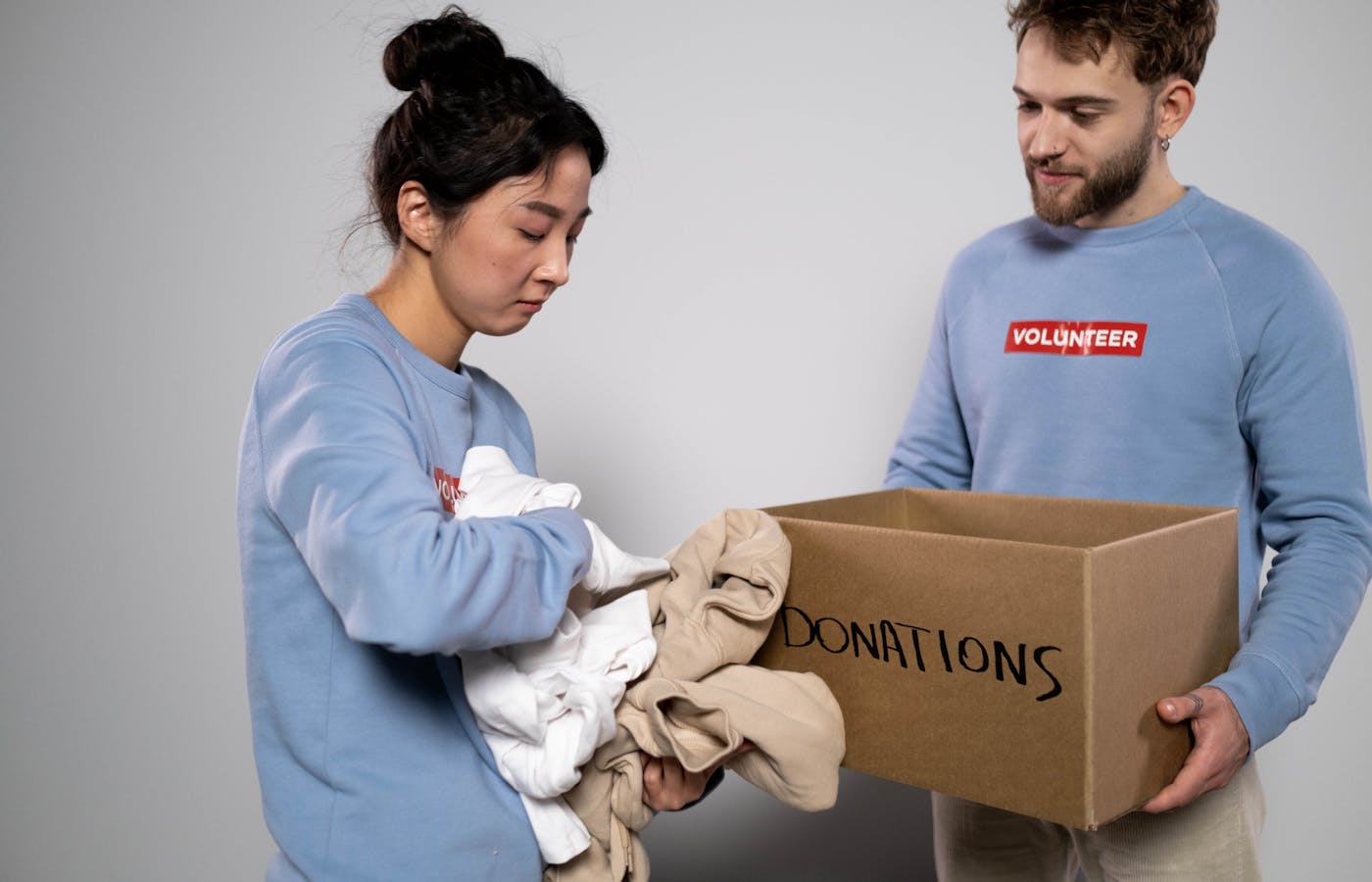
Start with one clothing category you can sort and put away in the time available. Keep comfortable clothes for your current routine within reach, and separate necessary occasional wear, repairs and memories before deciding what can leave. Infrequent use alone is a poor reason to discard a required uniform or a garment you would struggle to replace.
Use the table below for uncertain pieces. If an item belongs to someone else, ask that person before donating, altering or discarding it. An unresolved decision can have a labeled holding place and a review date without returning to the daily drawer.
Choose a destination for each uncertain piece
| Situation | Question to settle | Possible destination |
|---|---|---|
| Comfortable and used regularly | Does it work with your current routine and laundry cycle? | Daily closet or drawer |
| Required, seasonal or occasional | Can you name its next likely use, and does it still fit or function? | Labeled accessible storage; protective garments still follow their care instructions |
| Needs a repair | What repair, who will do it, and when? | A separate repair spot with a date; reassess if the plan never happens |
| Fits a different size or life stage | Is there a realistic future need and room to keep it? | Labeled storage or an unsure box, with a review date you choose |
| Has sentimental value | Would you prefer to keep the garment, a photograph or a written memory? | Memory storage; decide at a separate pace |
| Usable but no longer wanted | Is it yours to release, and will the recipient accept it? | A donation or resale destination after checking condition and acceptance rules |
| Too damaged for reuse | Does a local textile service accept this material and condition? | Accepted recycling or local disposal; avoid a permanent “rag someday” pile |
For example, an unworn work uniform may still have a required use, while an ordinary shirt with a missing button needs a specific repair plan. Give them different destinations instead of applying one “not worn recently” rule to both. These are illustrative decisions, not a guarantee that you will never reconsider an item.
Start decluttering clothes by category, not by closet
Pulling every piece of clothing onto the bed can look productive, but it can also create pressure fast. If you run out of time, you may end with a bigger mess and a pile of half-made decisions. Beginners usually do better with one clothing category at a time: socks, pajamas, workout clothes, coats, jeans, dresses, or one section of hanging clothes.
Category sorting lets you compare similar items. It is easier to see that you have twelve old T-shirts, five black cardigans, or three pairs of jeans you never reach for when they are grouped together. It also makes the project easier to pause. If you only finish pajamas today, that still counts.
Choose a category that feels low-risk for the first round. Starting with sentimental clothing or expensive items can slow everything down before you build confidence.
Use fit and comfort as the first clothing filter
Fit is not a moral issue; it is a practical one. Clothes that pinch, slide, scratch, twist, gap, or make you adjust them all day are not helping your daily life. You do not have to dislike your body to admit that a piece no longer fits comfortably. You are simply choosing what deserves easy access in your current closet.
Try on uncertain items only when it will actually help. If you already know a piece feels wrong, you do not need to prove it again. If a garment almost works, ask whether you would wear it tomorrow without needing a backup outfit. That question is often clearer than asking whether it might work someday.
- Keep clothes that fit your body and your normal routine now.
- Donate clean pieces that are usable but no longer comfortable.
- Set aside repair items only if you will fix them soon.
- Move special-size or maternity items into labeled storage if they are truly needed later.
- Move emotionally difficult decisions out of the quick sorting session if you need more time.
Separate current use from possible future use
Many closets are crowded with clothes for a life that is not currently happening. Maybe the piece belongs to an old office dress code, a hobby you no longer do, a party season that passed, or a version of your style that used to feel right. These items can be hard to release because they feel like possibilities.
Keep some possibility if it is realistic. One polished outfit for an occasional event can be useful. A small set of workout clothes can support a habit you are rebuilding. But if an item has been waiting for years and still never makes it into real life, it may be taking space from clothes that serve you now.
Consider whether you can name a likely setting or season for the garment. A required uniform, protective garment, or useful occasional outfit may deserve space even when it is worn infrequently.
Handle sentimental clothing gently
Sentimental clothing deserves a different pace. A concert shirt, baby outfit, uniform, inherited scarf, or dress from a meaningful event may not belong with everyday clothes, but that does not mean it has to leave immediately. The question is whether it needs closet space or memory space. If a move is the reason you are sorting clothes, pre-move decluttering gives the wider household version of the same keep-or-pack decision.
Choose a small memory container for pieces that matter but are not worn. Limiting the container helps you keep the strongest memories instead of storing every emotional item by default. If something is meaningful only because you feel guilty letting it go, take a photo, write a short note, or give yourself time before deciding.

Do not mix sentimental decisions into a fast clothing sort. Put those pieces aside, finish the practical category, and return to the memory items when you have more attention.
Declutter duplicates and worn-out clothing honestly
Duplicates often hide in plain sight. You may need several T-shirts, socks, or towels, but you probably do not need every stretched, stained, faded, or uncomfortable version. Pick the best first. Keep the pieces you choose when laundry is clean, not the ones that stay at the bottom of the drawer.
Worn-out clothing can be tricky because it feels wasteful to throw away fabric. If a piece is too damaged to donate, consider whether it can become a cleaning rag, textile recycling, or a temporary work shirt. But give that plan a limit. A drawer full of “rag someday” clothing is still clutter.
- Keep the best versions of repeated basics.
- Limit backup pieces to what you realistically use between laundry days.
- Remove items with stains, holes, or stretched fabric you avoid wearing.
- Do not keep uncomfortable duplicates just because they were affordable.
- Store off-season duplicates away from daily drawers if space is tight.
Move clothing donations out before second-guessing
An outgoing donation bag can become another bedroom pile if it has no destination. Once you have made a reasonable decision, close the bag or box and move it to an outgoing spot. If you leave it open in the bedroom, it invites review, doubt, and last-minute rescues that usually return clutter to the closet.
Before donating, check pockets, remove personal items, and make sure the clothes are clean enough for someone else to use. Check the receiving organization's acceptance rules before dropping anything off. Some textile recycling services accept damaged fabric and others do not; keep rejected materials separate and follow your local disposal options.
Use this closet finish routine:
- Choose one clothing category and remove only that category.
- Pick the easiest keeps first.
- Sort the rest into donate, repair, recycle, memory, or unsure.
- Return keeps with breathing room between items.
- Close the donation bag as soon as the category is finished.
- Schedule the drop-off before starting another major category.
Prevent clothing clutter from rebuilding
Review a category when its clean laundry no longer fits comfortably in the assigned space. Before buying a replacement, check whether a similar item is waiting for repair or hidden in seasonal storage. Return to the dated unsure box when its review date arrives; its contents need a decision or a new, stated reason to stay.
Pay attention to laundry patterns. Clothes you wear often need easy access. Clothes you skip repeatedly may need a decision. If clean laundry never fits back into the drawer, the drawer is giving you useful feedback. Reduce the category or move seasonal pieces elsewhere.

Keep this guide handy
An illustrated summary made for JundHaus. Read the guide above for the details and cautions.
Save to Pinterest (opens in a new tab)