How to Clean and Organize a Bathroom Vanity
Published Updated

By Silas Payao
I write practical cleaning and organization guides focused on simple routines, realistic storage ideas, and calmer home systems.
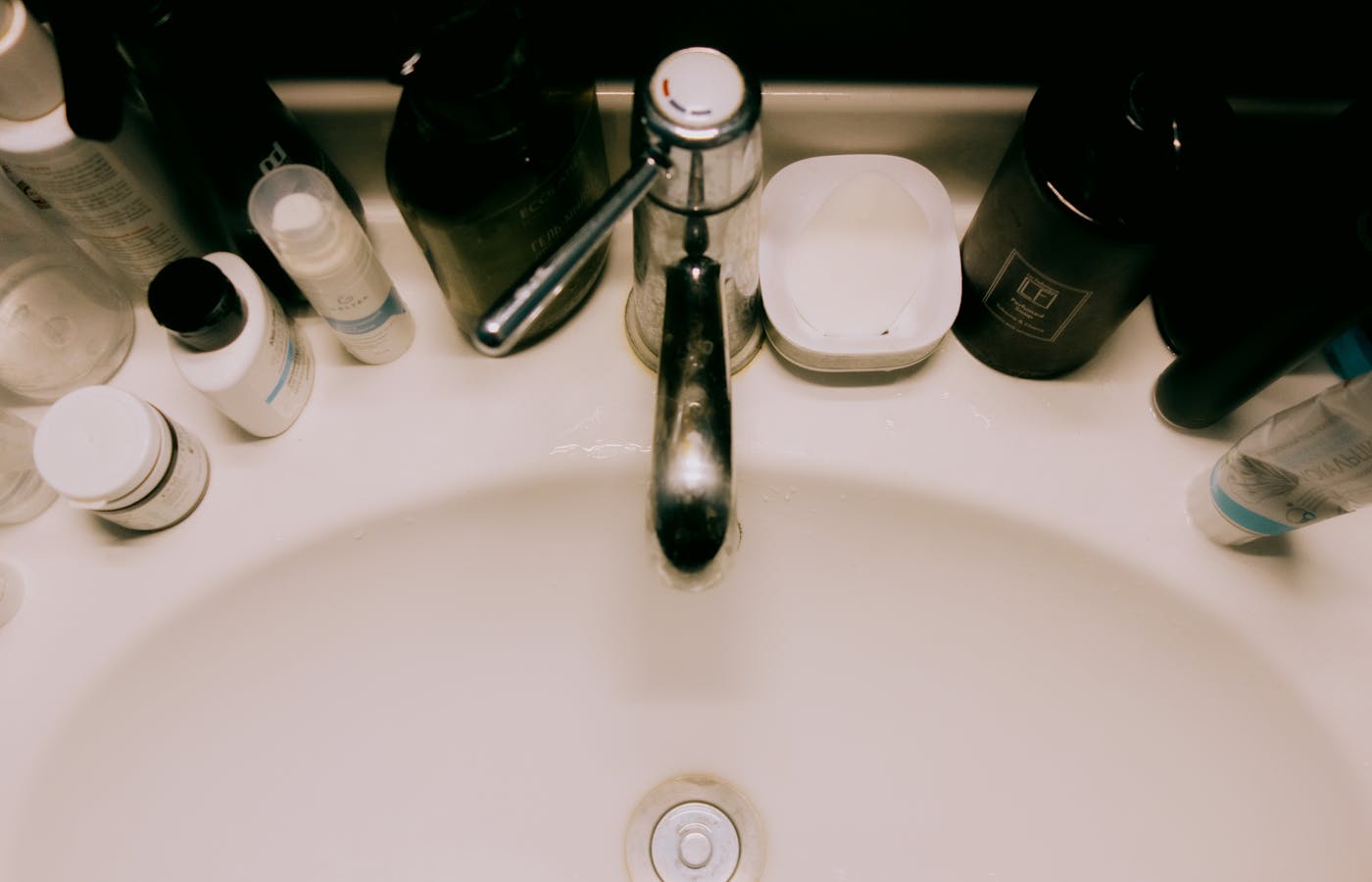
A bathroom vanity gets messy because it handles too many tiny decisions every day. Toothpaste, skincare, hair tools, medicine, cleaning wipes, extra towels, travel bottles, and half-used products all compete for the same small surface. Once the counter fills, even a clean bathroom can feel crowded.
Learning how to clean and organize a bathroom vanity is less about making the space look styled and more about making the morning and evening routine easier. The goal is a vanity that can be wiped quickly, restocked without guessing, and reset before clutter spreads.
Start with the items people use every day, then give each one a place close to its next use.
Clear the vanity completely before deciding what stays
Organizing around existing bottles can hide duplicates and leave the cabinet itself uncleaned. Remove everything from the counter, drawers, cabinet shelf, and any tray or basket. Put the items on a towel or nearby table so you can see the whole collection at once.
This full clear-out helps you notice duplicates, expired products, empty packaging, sample sizes, and items that migrated from somewhere else. It also gives you a chance to clean the actual vanity instead of wiping around bottles and calling it done.
Sort items into daily use, weekly use, backups, medicine, hair tools, cleaning supplies, towels, and things that do not belong in the bathroom. Keep the categories broad at first. If you create too many tiny piles, the project becomes slower and harder to finish.
Be honest about products you avoid. If a lotion irritates your skin, a hair product never works, or a travel bottle has been sitting there for months, keeping it in prime vanity space only makes the useful items harder to find. The vanity should serve the routine you actually follow.
Clean the sink, counter, and handles before restocking
Once the vanity is empty, clean from top to bottom. Dust or vacuum loose hair and powder first, then wipe the counter, faucet, handles, drawer fronts, cabinet edges, and inside surfaces. Bathroom residue can be sticky, so a quick dry dusting before wet cleaning makes the final wipe more effective.
Use a cleaner that matches the material. Stone, laminate, painted wood, metal fixtures, and glossy surfaces may need different care. Avoid soaking cabinet seams or letting water sit near drawer fronts. Follow the vanity and fixture makers' care instructions, including which cleaner and amount of moisture the finish permits.
Pay attention to the faucet base, drain area, handle edges, and the back corner near the wall. These spots collect toothpaste, soap film, water marks, and dust. Cleaning them while the counter is empty makes the vanity feel fresher immediately.
Let drawers and cabinet areas dry before restocking. Putting baskets and bottles back into a damp cabinet can trap moisture and create new problems. This pause is also useful because it forces one more look at what deserves to return. Replace stained liners, tighten loose caps, and wipe bottle bottoms before they go back inside.
Create zones for daily, occasional, and backup items
A vanity becomes easier to maintain when every item has a level of access. Daily items should be closest to the sink or easiest drawer. Weekly items can sit in a nearby basket or lower drawer. Backups belong farther away, ideally grouped so you know when you truly need to buy more.
The mistake is treating every item as daily. Extra toothpaste, unopened razors, spare soap, guest products, and seasonal skincare do not need the easiest spot. When backups take over prime space, the products used every morning end up scattered on the counter.
| Vanity zone | Best use | What to avoid |
|---|---|---|
| Counter | Hand soap, toothbrush cup, one daily tray | Every bottle used during the week |
| Top drawer | Daily skincare, comb, small grooming tools | Loose samples and expired products |
| Lower drawer | Hair tools, weekly items, folded cloths | Cords tangled with toiletries |
| Cabinet shelf | Personal-care backups or extra towels in separate dry sections | Unlabeled mixed bins |

Use small dividers only where they solve a real problem. A drawer full of tiny containers can become just as annoying as a drawer with none. Start with broad zones, then add separators for items that roll, leak, tangle, or disappear.
Limit counter items so cleaning stays easy
The bathroom counter is usually the first place clutter returns. Keep it intentionally limited. A soap dispenser, toothbrush holder, one small tray, and perhaps one daily product may be enough. The fewer items on the counter, the faster it is to wipe water, toothpaste, and dust.
A tray can help if it has a clear job. Use it for the few products used every morning and evening, not for every product that does not fit elsewhere. If the tray becomes crowded, treat that as a sign to edit the routine or move occasional products to a drawer.
Hair tools often need a separate plan because cords create visual clutter and safety issues. Let hot tools cool before storing them, and avoid placing cords near wet areas. Follow the tool maker's unplugging, cooling, and storage instructions. A heat-resistant pouch does not make it safe to store a powered or still-hot tool.
Counter limits also make shared bathrooms calmer. When each person has a small assigned spot, the vanity stops becoming a negotiation every morning. If space is tight, give each person a drawer basket instead of letting everyone claim the counter.
Store backups and medicine away from daily clutter
Backups are useful, but they should not mix with open daily products. Keep unopened toothpaste, soap, razors, cotton products, and extra deodorant in one backup zone. This prevents overbuying because you can see what is already there before adding more.
Medicine deserves extra attention. Check labels, expiration dates, storage instructions, and household safety needs. Many bathrooms are humid, which may not be ideal for every medication. Keep medication in its original packaging and follow its storage instructions. Where children may have access, use appropriate locked storage; height alone should not be the plan.
Useful vanity categories to review include:
- Expired skincare, sunscreen, medicine, and first aid items.
- Duplicate products that can be stored as backups.
- Travel bottles, samples, and hotel items that are not being used.
- Hair tools, cords, clips, brushes, and combs.
- Cleaning supplies that should stay separate from personal care items.
Do not store too much under the sink if plumbing access is needed. Leave enough room to notice leaks, reach shutoff valves, and clean the cabinet floor. A crowded under-sink area can hide small problems until they become expensive. For cabinet layout, under-sink organization guidance can help you leave access to the plumbing. Chemical products need their own secured storage, kept separate from toiletries and towels according to their labels.
Reset the vanity before clutter becomes normal again
A bathroom vanity stays organized when the reset is short. The goal is not a monthly overhaul. Try a brief reset after use and a separate check of backups when needed. If the reset takes too long, the system is probably too complicated.
Use this simple routine:
- Return daily products to the tray, drawer, or cup after use.
- Wipe water and toothpaste from the sink and faucet area.
- Put hair tools away after they cool completely.
- Move empty packaging, old samples, and trash out of the vanity.
- Check backup bins before adding anything to the shopping list.
Check the layout during an ordinary morning: can you reach daily products, wipe the sink, and put items away without emptying a drawer? Change the part that prevents those tasks.
Once the basic zones are working, resist the urge to keep improving the setup every week. Let the routine prove what needs to change. Most vanities need fewer products, clearer zones, and a reset habit more than they need another organizer.

Keep this guide handy
An illustrated summary made for JundHaus. Read the guide above for the details and cautions.
Save to Pinterest (opens in a new tab)