Bathroom Storage Ideas for Small Cabinets
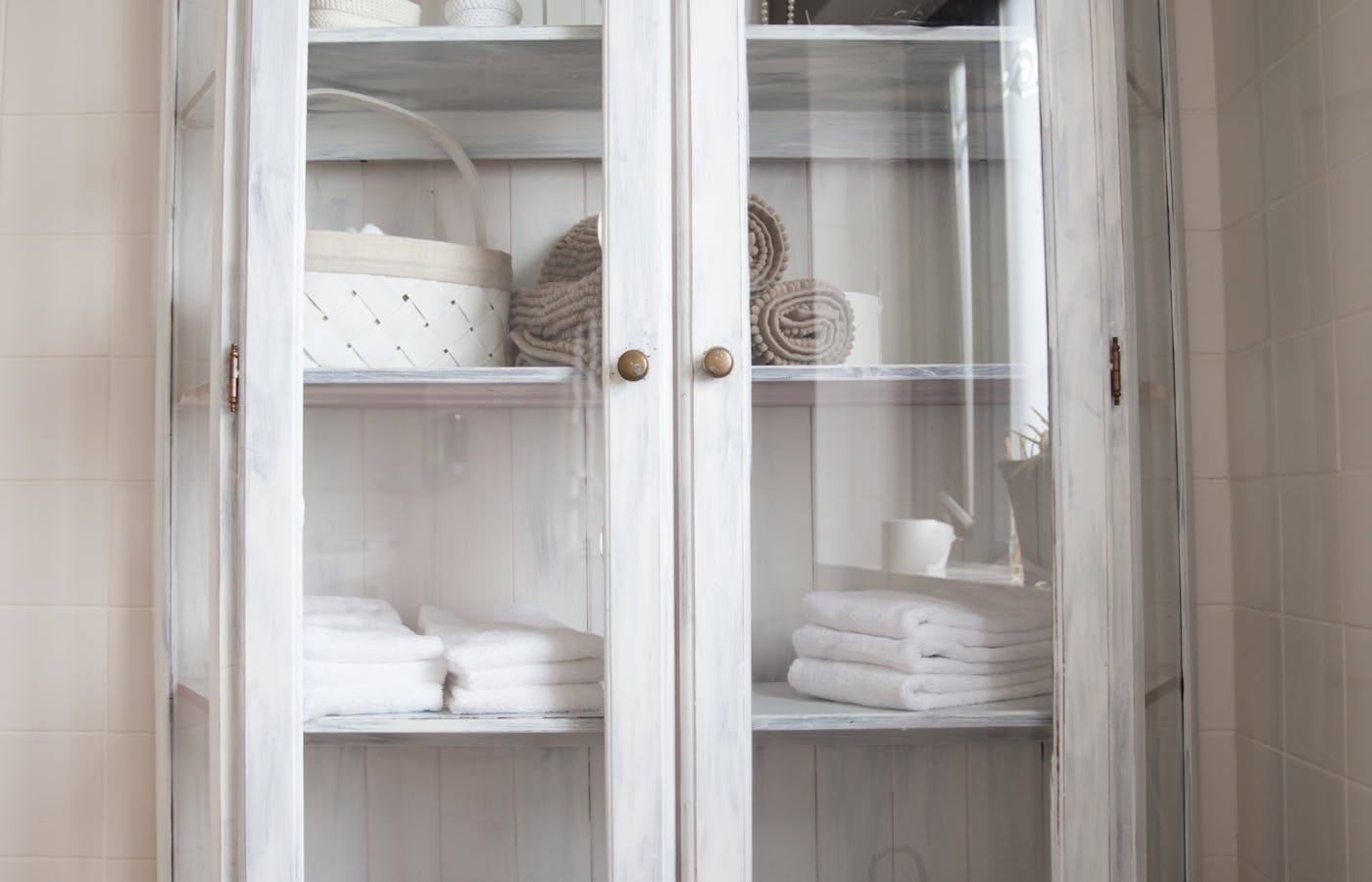
A small bathroom cabinet can become crowded faster than almost any storage spot in the house. Toiletries, towels, refills, cleaning bottles, grooming tools, medicine, and half-used products all compete for the same narrow shelves. Good bathroom storage ideas for small cabinets start by deciding what the cabinet should actually hold.
The goal is not to make every bottle look decorative. The goal is to make the cabinet easier to use on a busy morning and easier to reset after cleaning. A small cabinet works better when daily items are reachable, backups are limited, and anything risky or messy has a practical place.
I usually start by removing everything before buying organizers. The cabinet itself will show what kind of storage it can handle.
Empty the cabinet before choosing organizers
Small cabinet organization fails when organizers are chosen before the contents are understood. A basket may look useful, but it can waste space if it is too tall, too deep, or too hard to pull out. Emptying the cabinet first shows what is actually being stored and what no longer belongs there.
Place everything on a towel or counter and sort by type. Group daily toiletries, hair products, shaving items, towels, medicine, first aid, cleaning supplies, backup products, travel items, and things that should be thrown away. Expired sunscreen, old cosmetics, stretched hair ties, empty bottles, and duplicate samples can make a tiny cabinet feel impossible.
Measure the usable shelf height after the cabinet is empty. Pipes, hinges, shelf pins, door frames, and awkward corners can reduce the space more than expected. A good organizer has to fit the real cabinet, not the imagined one. I also check whether the door can close with taller bottles near the front.
- Remove expired medicine, cosmetics, and sunscreen.
- Group similar items before deciding where they go.
- Measure shelf height, depth, and door clearance.
- Keep only products that match current routines.
Create a daily-use zone at eye or hand level
The best shelf in a small bathroom cabinet should hold the items used most often. If daily products are buried behind backups, the cabinet will be disturbed every morning. Toothpaste, deodorant, face wash, moisturizer, shaving items, contact supplies, or a small hair product set should be easy to reach without moving five other things.
Use a shallow bin or tray for daily items if several people share the bathroom. One person may need a small basket. Another may need only a cup or tray. The point is to keep daily routines contained, not spread across every shelf. When the daily-use zone is clear, the rest of the cabinet can handle less frequent items.
Do not make the daily zone too large. If every product becomes “daily,” the zone loses its purpose. Keep the products used in the current week there and move occasional items to another shelf. Convenience should be reserved for what earns it.
This also makes cleanup easier. If toothpaste leaks or a bottle drips, only one tray needs washing instead of the whole cabinet shelf. In a shared bathroom, this one tray also makes it obvious when the daily area is starting to overflow.
Use shallow bins instead of deep mystery baskets
Deep baskets can look tidy from the outside while hiding clutter inside. In a small bathroom cabinet, shallow bins often work better because they let you see labels, caps, and product levels quickly. They are also easier to pull forward without knocking over nearby items.
Use shallow bins by category. One bin can hold dental care, another can hold hair products, another can hold skin care, and another can hold travel-size items. If a category needs more than one bin, that may be a sign the category is too large for the cabinet.
Clear bins are useful when several people share the bathroom, but solid bins can still work if they are labeled. The important part is that each bin has a specific job. A random “miscellaneous” bin usually becomes the place where small clutter goes to disappear.
Leave a little empty space in each bin. A completely packed bin is hard to maintain because one new item has nowhere to land. Small cabinets need limits as much as they need containers. If the bin cannot slide out easily with one hand, it is probably carrying too much.
Limit towel storage to what fits cleanly
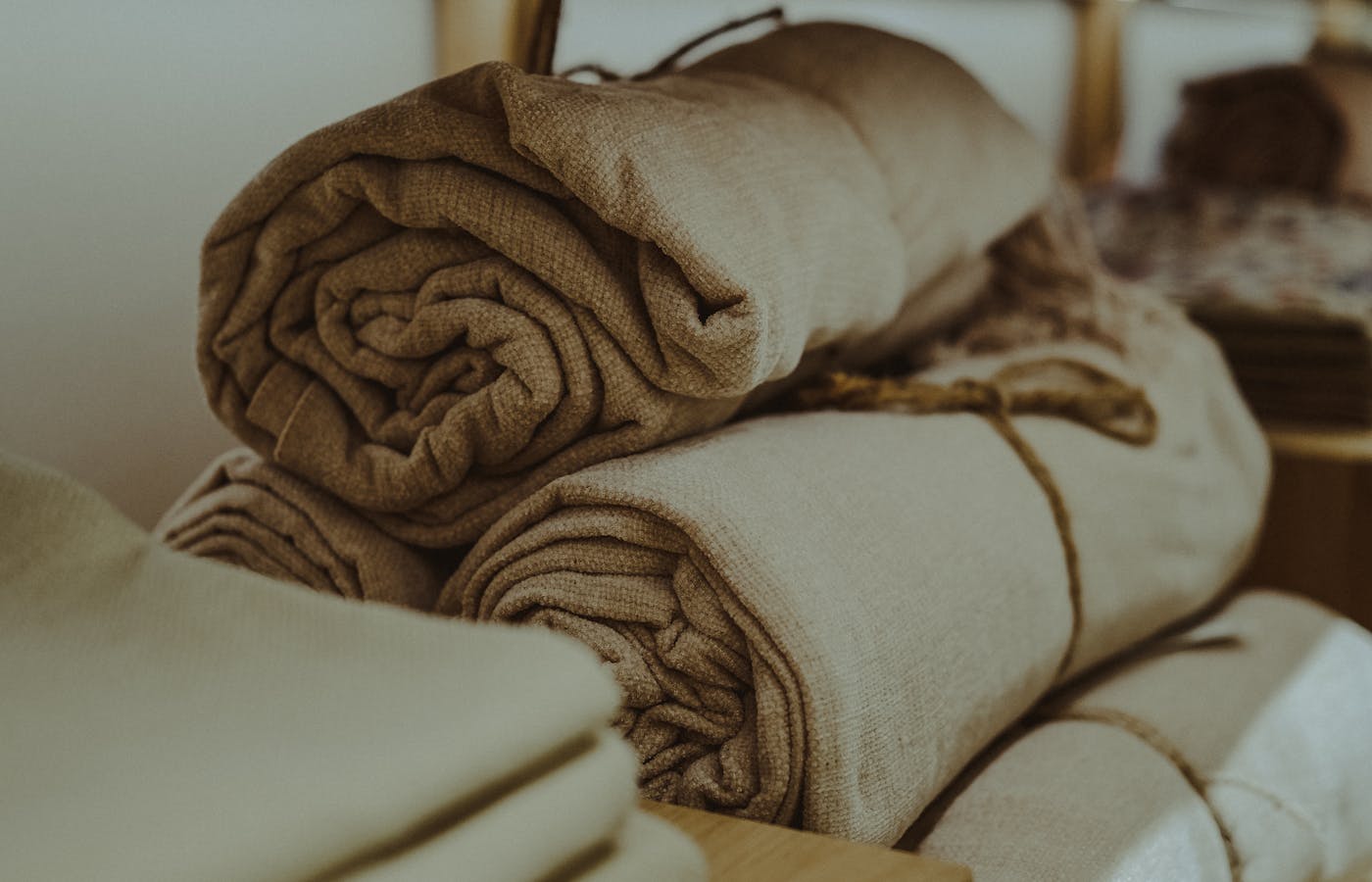
Towels take up more space than they seem to because they are bulky, soft, and easy to overstack. A small bathroom cabinet may not be the right place for every towel in the house. It may only need hand towels, washcloths, or a small set of bath towels used in that bathroom.
Fold towels to match the shelf depth rather than forcing one folding style. If rolled towels fit better, roll them. If flat stacks are easier to grab, stack them. Avoid piles so tall that the top towel hits the shelf above or falls forward when the cabinet opens. Bathroom routines stay easier when small-apartment organization ideas keeps small-space storage under control.
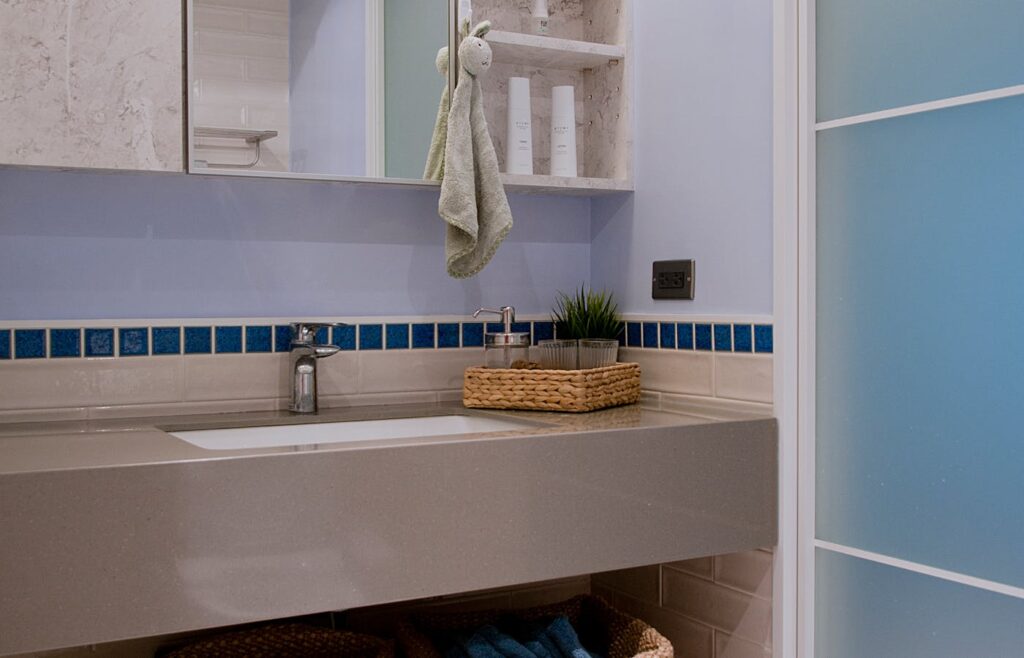
If the cabinet also stores toiletries, keep towels separate from wet, oily, or scented products. A small divider, bin, or dedicated shelf can prevent towels from absorbing spills or smells. Towels should feel clean when they come out of storage, not like they shared space with every bottle in the bathroom. If space is tight, store extra bath towels outside the bathroom and keep only the next set nearby.
A small cabinet feels larger when it stops trying to store every bathroom item. The best storage plan is often a limit, not an extra container.
Keep cleaning supplies contained and separate
Bathroom cleaning supplies should not drift into the same space as towels, cosmetics, medicine, or toothbrushes. Even in a small cabinet, cleaning products need a contained zone. This protects other items from leaks and makes cleaning day faster because the supplies are already grouped.
If cleaning bottles live under the sink, use a plastic bin or tray that can handle drips. Store cloths, scrub brushes, gloves, and small refill items nearby if they fit. Keep heavier bottles on the lowest shelf so the cabinet feels stable and nothing falls from above.
Do not store more cleaning products than the bathroom needs. One bathroom cleaner, glass cleaner if used, disinfecting product if needed, scrub brush, gloves, and a few cloths may be enough. Extra products can live in a separate household cleaning area if the small cabinet is already tight. The bathroom cabinet should hold the working kit, not the whole supply closet.
- Use a washable tray for bottles that may drip.
- Keep cleaning cloths away from clean towels.
- Store heavier bottles on the lowest safe shelf.
- Remove duplicate cleaners that do the same job.
Separate medicine and first aid from toiletries
Medicine, first aid, and daily toiletries should not all be mixed together. It becomes too easy to lose small boxes, miss expiration dates, or grab the wrong item when someone is tired. A small bathroom cabinet can hold some health items, but they need clear boundaries.
Use a labeled box for first aid supplies such as bandages, ointment, thermometer covers, and small medical tools. Keep medicines in their original packaging when possible so instructions and dates stay visible. Check whether bathroom humidity is appropriate for the items you store there, because some products do better in a cooler, drier place outside the bathroom.
Keep anything unsafe for children or pets out of reach and secured. If the cabinet cannot provide that safely, choose another storage location. Organization should never make risky items easier to access for the wrong person.
A quick date check every few months is enough for most homes. If a medicine or first-aid item has expired, remove it according to local disposal guidance rather than pushing it back into the box. Keep a small note on the box if something needs replacing soon.
Store backups where they cannot take over
Backup products are useful until they crowd out the items being used now. Small bathroom cabinets can usually handle one backup of essentials such as toothpaste, soap, shampoo, toilet paper, or deodorant. They usually cannot handle every sale item bought in bulk.
Create a small backup zone and let the space set the limit. When that zone is full, stop buying backups until something is used. This works better than trying to remember what is hidden behind bottles. It also prevents the common problem of owning four backup lotions while running out of the product used every day.
Place backups behind or below daily items, not in front of them. Daily products should lead the cabinet. Backups should support the routine without interrupting it. If a backup is large or heavy, store it low so it does not make the cabinet awkward to use.
When opening a backup, move it to the daily-use zone and add the item to the shopping list if another backup is truly needed. That one-in-use, one-backup rhythm keeps the cabinet from swelling quietly over time.
Reset the cabinet before it gets crowded again
A small bathroom cabinet needs a short reset because products move, towels get pulled out, and new items arrive. The reset does not need to be a deep organizing project. It can be a five-minute check while cleaning the bathroom.
Start by putting daily items back into their tray or bin. Wipe any spills before they spread. Return towels to their shelf, remove empty bottles, and check whether backups have overflowed their zone. If something has been sitting unused for months, decide whether it still deserves space.
- Pull forward anything that is out of place.
- Throw away empty bottles and obvious trash.
- Wipe sticky shelves, trays, or bins.
- Move daily items back to the easiest shelf.
- Check whether backup products still fit their zone.
Bathroom storage ideas for small cabinets work best when they respect the cabinet’s limits. Give daily items the easiest shelf, keep towels clean and separate, contain cleaning products, limit backups, and reset the space before it becomes crowded again. A small cabinet can stay useful when every shelf has a clear job, and the reset stays easier when those jobs do not change every week.