How to Declutter Your Home in 30 Days
Published Updated

I bring a warm, detail-oriented eye to home routines, decluttering ideas, and everyday ways to make a space feel easier to live in.
A 30-day decluttering plan is easier to finish when it treats the home like a sequence of small decisions, not one dramatic weekend. Most people do not get stuck because they are lazy. They get stuck because every drawer, closet, paper pile, and memory box asks a different emotional question.
This guide keeps the pace steady. You will clear visible clutter first, then move through storage areas, clothes, papers, kitchen and bathroom overflow, sentimental items, and final donation exits. Use the month to make working surfaces and storage easier to use, adapting the pace to the household.
Set up the 30-day decluttering plan before opening every drawer
Start by choosing a daily limit that you can actually repeat. Twenty to forty minutes is enough for many homes. If the first day becomes a five-hour cleanout, the plan may feel impressive, but it also makes day two harder. A 30-day decluttering plan needs stamina more than drama.
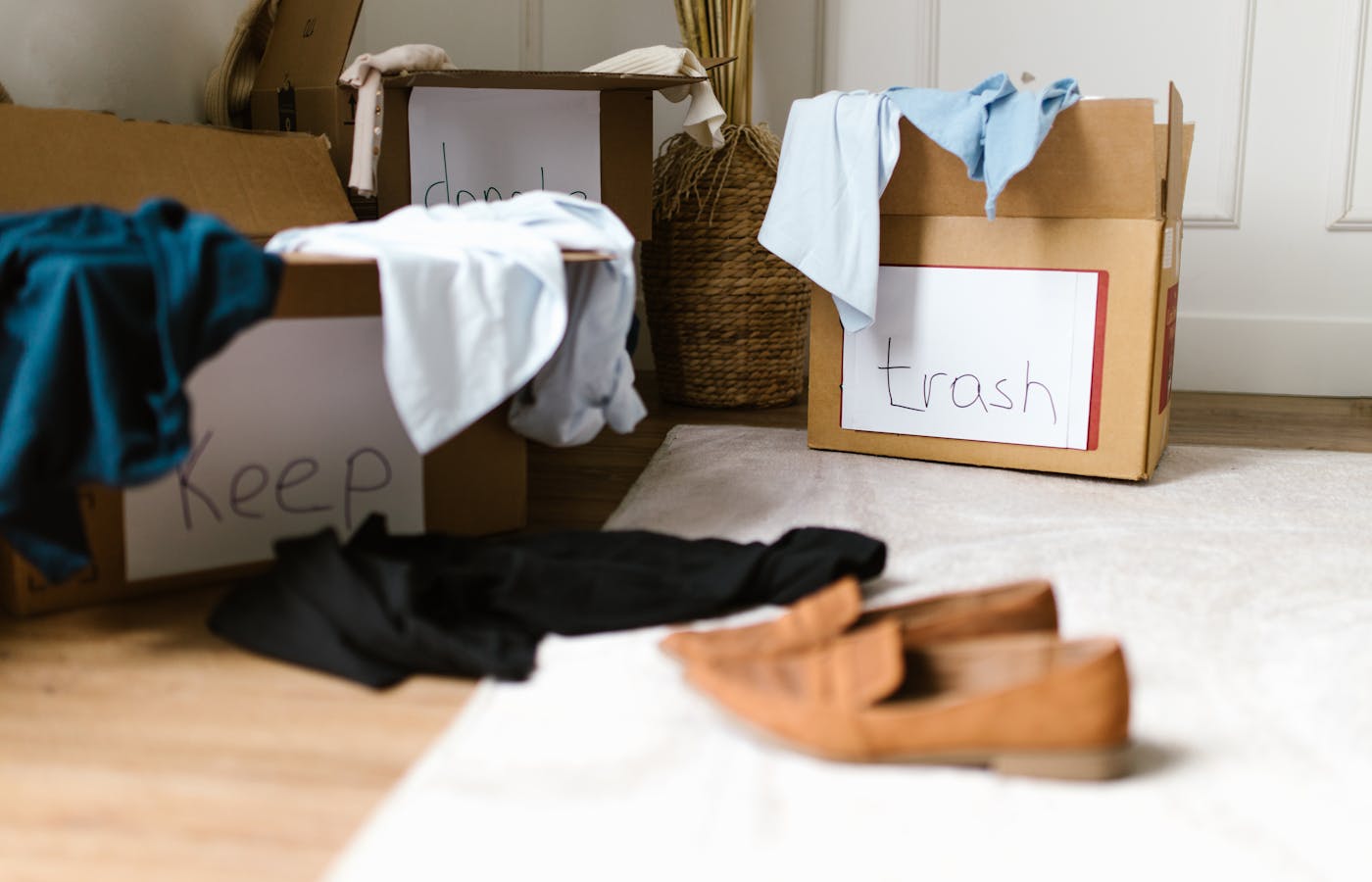
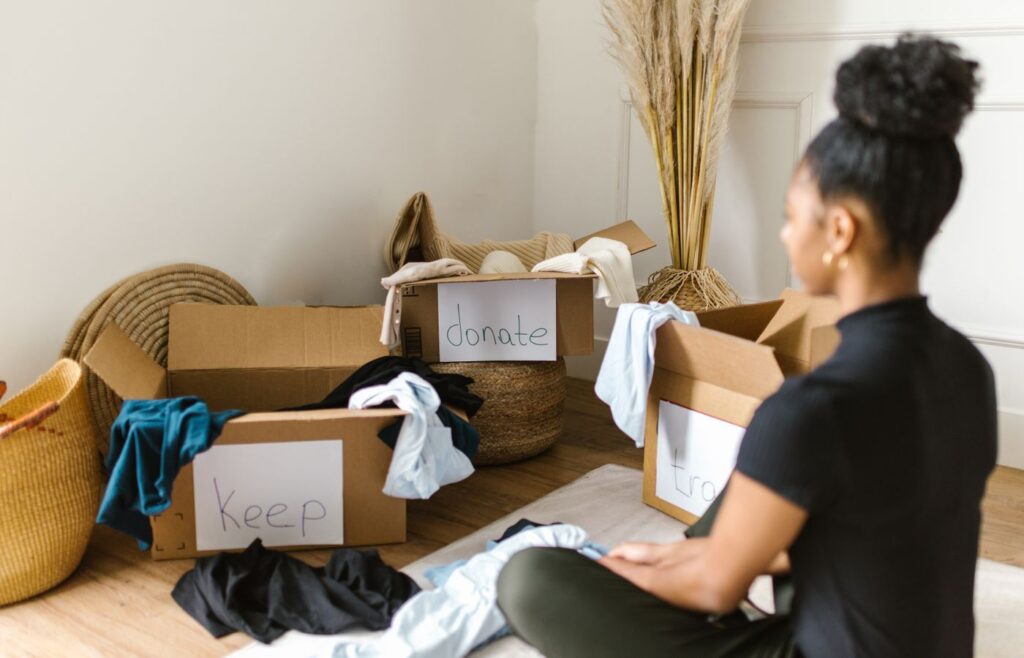
Prepare four exits before you start: keep, donate, trash, and decide later. The decide-later box should be small and temporary. If it becomes a second storage room, it is no longer helping. Put a date on it, and choose when you will review it during the final week.
Pick one donation destination before day one. A donation bag that sits by the door for three weeks keeps the clutter emotionally alive. Decide where usable items will go, where trash leaves the home, and where returns or borrowed items need to be dropped off.
- Days 1-3: visible surfaces and easy exits.
- Days 4-10: closets, clothing, and bedroom storage.
- Days 11-17: kitchen, bathroom, and utility overflow.
- Days 18-24: papers, sentimental items, and hidden storage.
- Days 25-30: exits, resets, and maintenance rules.
Clear visible surfaces and obvious exits in the first three days
The first three days should make the home feel lighter without forcing the hardest choices yet. Start with surfaces you see often: entry table, kitchen counter, dining table, nightstand, bathroom sink, laundry chair, and the floor near doors. These areas change the way the home feels quickly.
Look for objects with obvious decisions. Empty packaging, broken items, old mail, expired coupons, dried pens, outgrown school papers, random receipts, and items waiting to be returned can usually leave before the deeper decluttering begins. This is not the moment for sentimental boxes or childhood keepsakes.
Do not organize the clutter before deciding what should leave. Pretty piles still take space. Move each visible item into one of the four exits, then wipe or reset the surface before placing anything back. A surface that stays mostly clear for even one day gives the rest of the month a visible reward.
At the end of day three, walk through the home and notice which surface refilled first. That spot tells you where a real system is missing. Maybe the entry needs a tray, the kitchen needs a paper station, or the bedroom needs a laundry boundary. Write it down, but do not buy storage yet.
Spend days four through ten on clothing, closets, and bedroom storage
Clothing can slow a decluttering plan because it carries money, body changes, memories, and imagined future uses. Give this phase a full week. Start with active clothing, not deep storage. Pull out the items you wear often and like easily. Those pieces become the standard for the closet.
Then sort the remaining clothes by decision type: fits and gets worn, needs repair, wrong size for now, sentimental, donation, and trash. Avoid trying on every item at once. Try on only the pieces where fit is the real question. If the issue is fabric, color, discomfort, or a style you keep avoiding, you probably already know the answer.
Bedroom storage should follow the same logic. Nightstands, dresser tops, under-bed boxes, and extra baskets often hold old chargers, books you will not read soon, spare bedding, gift bags, and personal items without a home. Keep daily-use items close and move rare-use items to labeled storage.
By day ten, the bedroom should have fewer undecided piles and a clearer laundry path. Clean clothes need a place to land. Dirty clothes need a basket that is easy to reach. Donation clothes need to leave the room, not wait in a corner as proof that you worked hard.
Days eleven through seventeen belong to kitchen, bathroom, and utility overflow
The middle of the month is a good time for practical clutter because these rooms usually have clearer expiration dates and duplicate items. In the kitchen, check pantry shelves, food containers, mugs, water bottles, gadgets, dish towels, and the drawer that collects small tools. Keep what supports normal meals first.
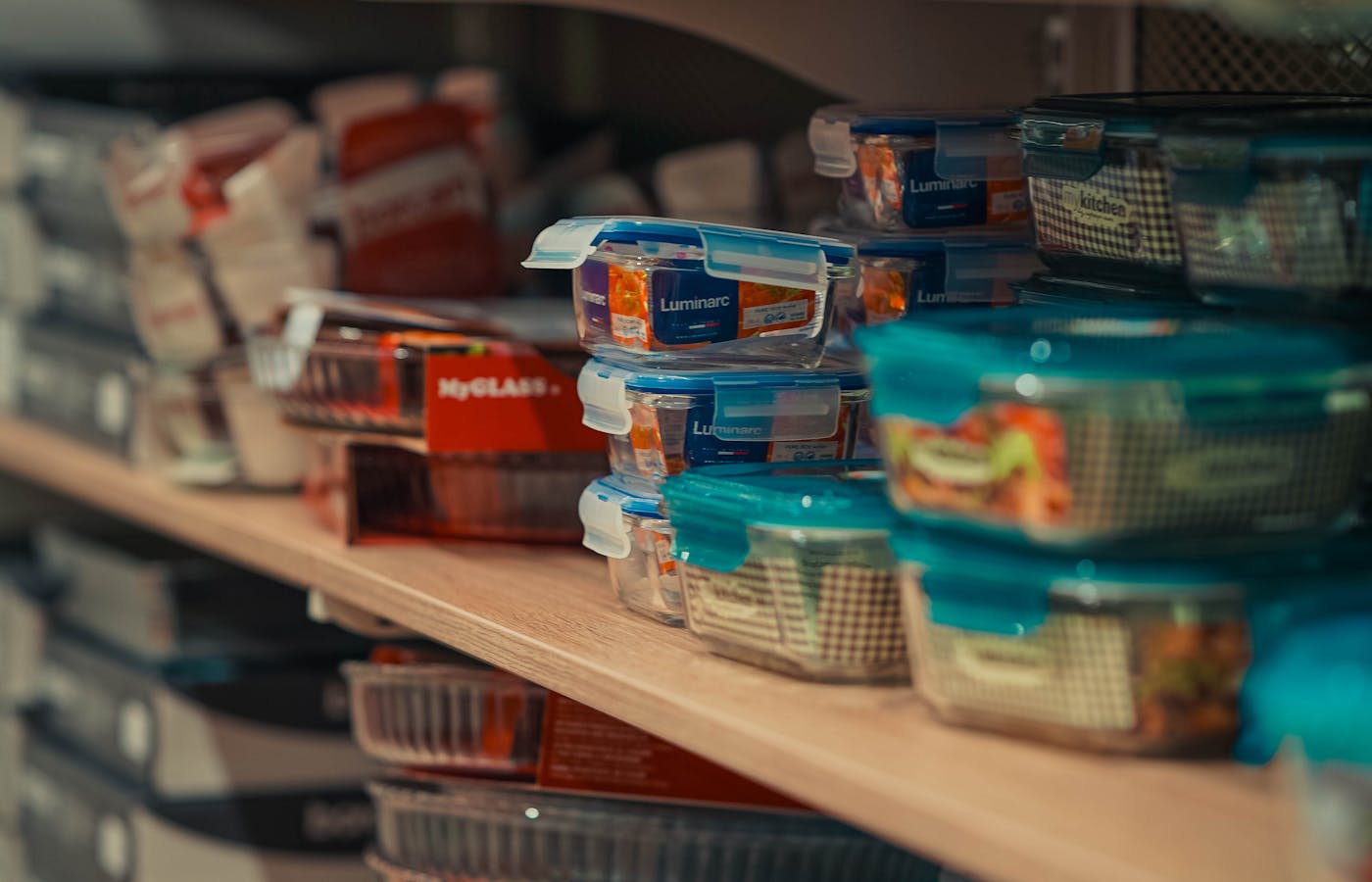
Food storage deserves a direct pass. Review food dates and storage instructions, and check damaged or contaminated packaging. Do not combine foods unless identity, allergens, dates, and storage requirements remain clear. Remove unmatched containers from the usable set. If a small appliance has not been used in a long time, ask whether it solves a real cooking problem or only represents a meal habit you wish you had.
Bathrooms need a different kind of honesty. Check old makeup, nearly empty bottles, expired medicine, duplicate hair products, stretched hair ties, dull razors, and backup toiletries. Medicine disposal should follow local guidance, not the trash by default. Keep the daily counter simple enough to clean quickly.
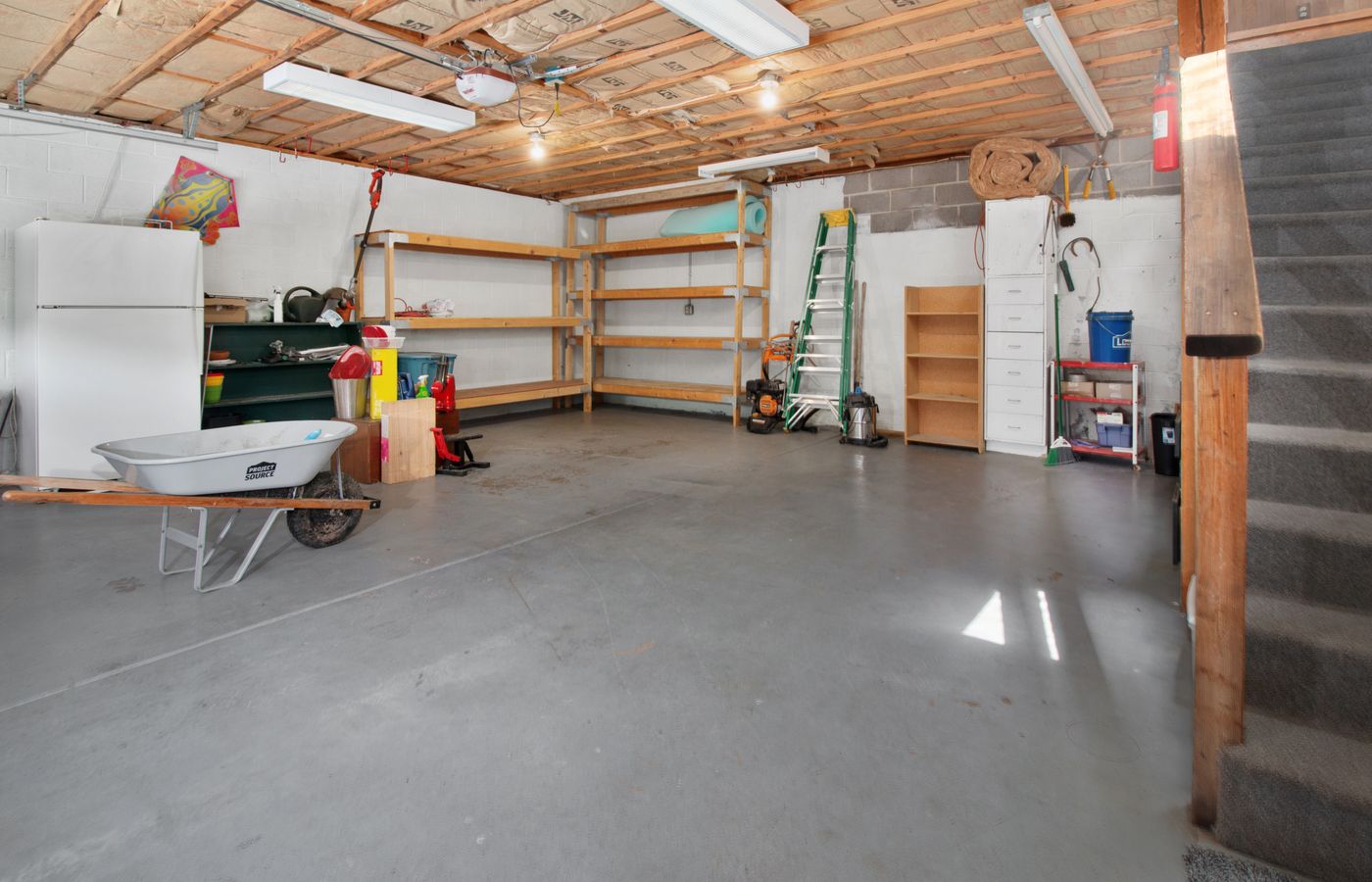
Utility areas can collect batteries, tools, cords, cleaning products, pet supplies, bags, and mystery hardware. Group by function before buying containers. A small bin for light bulbs is useful. A huge mixed bin labeled household is just a slower junk drawer.
Give days eighteen through twenty-four to papers and sentimental clutter
Papers and sentimental items deserve their own week because they ask slower questions. Start with paperwork that has clear value: current bills, tax records, insurance papers, warranties, medical records, school forms, and active projects. Put those into simple categories before touching old letters or memory boxes.
Most paper clutter is not important enough to store but not obvious enough to throw away quickly. Create three paper actions: file, act, and recycle or shred. The act pile should stay small. If it contains thirty papers, it is not an action pile; it is delayed decision storage.
Sentimental clutter should not be treated like expired pantry food. Choose a physical limit first, such as one memory box, one shelf, or one folder. Then keep the items that still tell the story clearly. A concert ticket, one card, or a small object can hold a memory better than a full bag of loose reminders.
If an item makes you pause, slow down without abandoning the plan. Take a photo, write a note about why it mattered, or place it in the decide-later box. The point is not to force cold decisions. The point is to keep memory from spreading through every storage area in the home.
Finish the final six days by removing donations and resetting each room
The last stretch is where the home either becomes easier or quietly refills. Days twenty-five through thirty should focus less on new sorting and more on exits. Donation bags leave. Trash leaves. Returns leave. Borrowed items go back. The decide-later box gets reviewed with a real deadline.
Walk room by room and give each area one maintenance rule. The entry may need a five-item limit on the table. The kitchen may need a mail tray instead of counter piles. The bedroom may need laundry moved every evening. The bathroom may need one backup bin instead of backups on every shelf.
- Remove donation bags from the home before starting another closet.
- Label hidden storage with plain category names.
- Keep one small decide-later box, not several.
- Write one reset rule for each room that cluttered fastest.
- Leave visible breathing room on shelves, counters, and closet rods.
This is also the moment to notice what you learned about buying habits. If you decluttered three unused gadgets, five backup lotions, or a stack of unworn clothes, the home is giving you useful information. A good declutter changes the next purchase, not just the current pile.
Keep the home lighter after the 30 days are finished
A home does not stay decluttered because every item found a perfect container. It stays lighter because fewer items enter without a decision. After the 30 days, choose a small weekly reset: one surface, one bag, one drawer, or one category. Keep it short enough that it does not feel like starting over.
Use a one-in, one-out rule only where it helps. It works well for mugs, towels, water bottles, shoes, pantry extras, and beauty products. It may not work for seasonal items or family supplies. The rule should protect space, not become another reason to overthink normal life.
Schedule a monthly exit day for donations, returns, and recycling. This keeps the home from storing good intentions. If a bag is already packed, the task should be leaving the house, not reconsidering every item inside it.
The suggested days are a planning example, not a deadline for difficult decisions. Pause a session before fatigue makes lifting or judgment unsafe. Keep emergency supplies and records with retention obligations even when they are rarely used. Batteries, chemicals, and medicines need their own safe disposal routes, rather than the general donation or trash bags.

Keep this guide handy
An illustrated summary made for JundHaus. Read the guide above for the details and cautions.
Save to Pinterest (opens in a new tab)