How to Create a Simple Pantry Inventory System
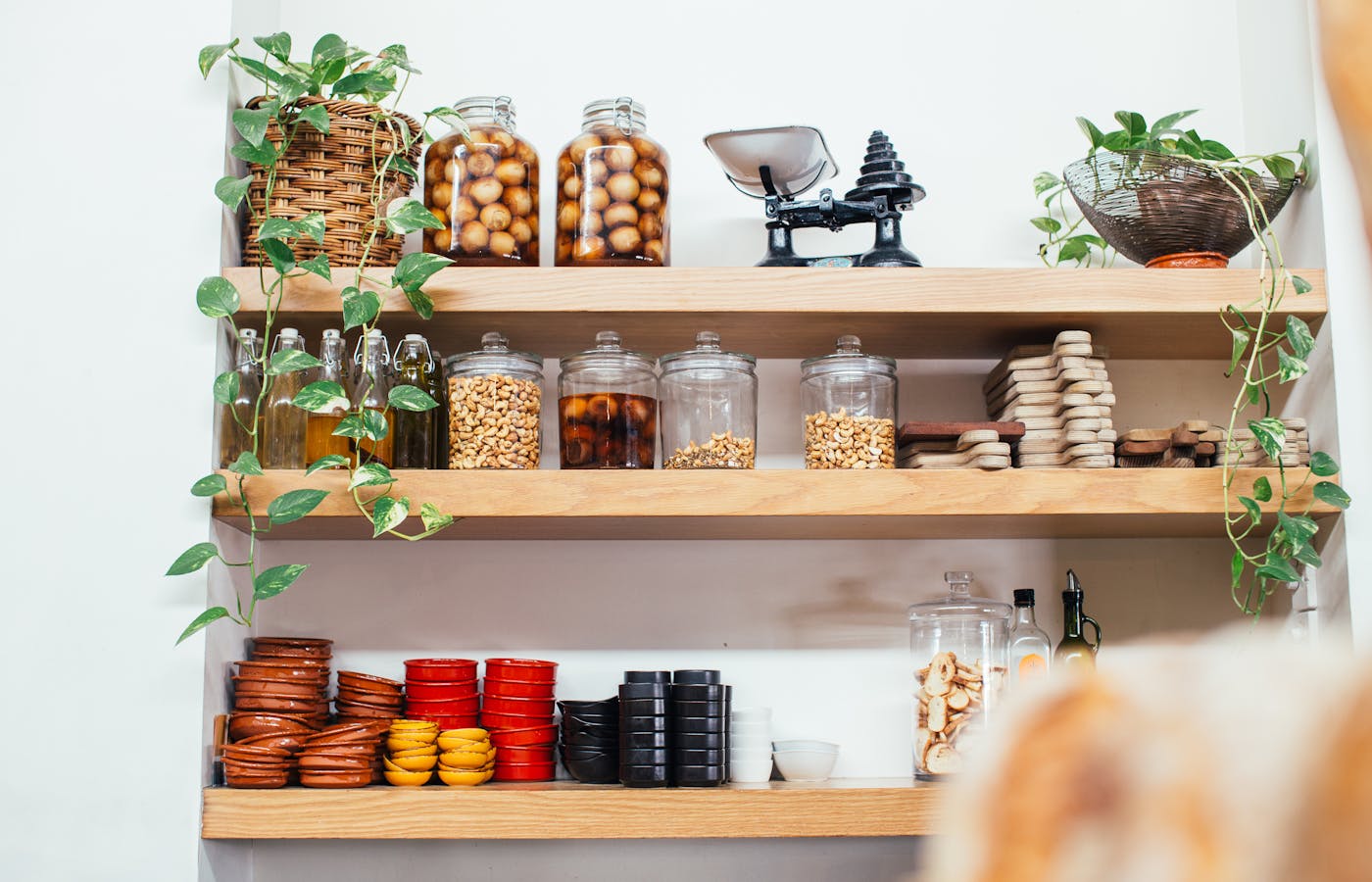
A pantry inventory system can become fussy very quickly. The best version is not a perfect spreadsheet, a color-coded wall chart, or a full list of every cracker in the house. It is a simple way to know what you have, what is running low, and what should be used before it gets forgotten.
A workable simple pantry inventory system starts with lowering the bar. The system should help with shopping and cooking, not create another chore that no one wants to maintain. If it takes longer to update the inventory than it does to check the shelf, it will probably stop working.
I would also treat the pantry list as a food-waste and food-safety tool. USDA storage guidance is a useful reminder that dates, opened packages, pests, moisture, and damaged containers matter as much as neat rows. A good inventory helps you notice those problems before shopping, not after another duplicate box comes home.
Start with the pantry items that actually cause problems
Few homes need a full inventory of every single pantry item. Start with the categories that create repeat purchases, wasted food, or last-minute grocery runs. For many kitchens, that means rice, pasta, flour, sugar, canned tomatoes, beans, cereal, snacks, cooking oil, spices, coffee, and the shelf-stable ingredients used in regular meals.
Ignore items that are easy to see and rarely duplicated. If you keep buying pasta because opened boxes hide behind other boxes, pasta belongs on the list. The inventory should solve real friction, not document the pantry for its own sake.
Walk through the pantry with a small notepad or phone note and write only the items that matter. Group them roughly as you go. You are not building the final system yet. You are noticing which staples deserve attention and which ones can stay managed by normal eyesight.
During that first pass, mark anything that is open, nearly empty, expired, sticky, damp, or hard to identify. Those notes are more useful than exact counts. They tell you what should be used this week, what should be tossed, and what needs a better container.
A pantry inventory that begins with twenty useful items is more likely to survive than one that begins with two hundred lines.
Divide the pantry into clear zones before counting
An inventory works better when the pantry itself has zones. If cans, baking supplies, breakfast foods, snacks, grains, and backup condiments are all mixed together, the list will always feel harder to update. Zones make counting faster because your eyes know where each type of item should live.
The zones do not need expensive containers. A shelf section, basket, bin, drawer, or cabinet corner can be enough. Put similar items together and keep the most frequently used staples where they are easiest to reach. Backup items can sit higher, lower, or farther back as long as they are not hiding active items.
Label zones only if labels help your household put things back. A label that says “baking” or “cans” can prevent small drift over time. If labels become visual clutter or nobody reads them, use broader zones instead. The point is to make the pantry easier to scan.
Before counting anything, move obvious strays back into their zone. This often reveals duplicates, nearly empty packages, and expired items without needing a complicated audit.
Choose a tracking method you will actually update
The tracking method can be as simple as a paper list taped inside a cabinet, a shared phone note, a whiteboard, or a small spreadsheet. The right choice depends on who shops, who cooks, and where the pantry is checked. If the person shopping uses a phone list, a paper inventory that never leaves the kitchen may not help much.
Paper works well when the pantry is mostly managed by one person and the list can stay close to the shelf. A shared note works better when more than one person adds groceries or cooks. A spreadsheet can help if you buy in bulk, track prices, or manage a deep pantry, but it is usually too much for a small everyday cabinet.
| Method | Best for | Main caution |
|---|---|---|
| Paper list | Small pantry and quick visual checks | Needs to be near the pantry |
| Shared note | Two people shopping or cooking | Needs consistent wording |
| Spreadsheet | Bulk staples or backup storage | Can become too detailed |
Pick the simplest method that supports your real routine. You can always make it more detailed later, but it is harder to rescue a system that starts too heavy.
Use low, okay, and stocked instead of exact counts
Exact counts sound useful, but they are often the reason pantry inventories fail. Most families do not need to know that there are exactly three cans of black beans and one half bag of rice. They need to know whether beans are stocked, getting low, or missing. Simple status words are faster to update and easier to use while making a grocery list.
Use three levels for most staples: stocked, low, and buy. Stocked means there is enough for normal use. Low means it should be watched or added soon. Buy means it belongs on the grocery list now. This turns inventory into a decision tool instead of a counting exercise.
For items you use every week, set a personal low point. If one backup jar of pasta sauce feels comfortable, mark it low when only one remains. If you bake often, flour might be low before the bag is close to empty. The right threshold depends on how often you cook, how far you are from the store, and how much pantry space you have.
Use numbers only where they prevent mistakes. “Buy at 1 jar,” “keep 2 cans,” or “use opened bag first” is easier to maintain than counting every package.
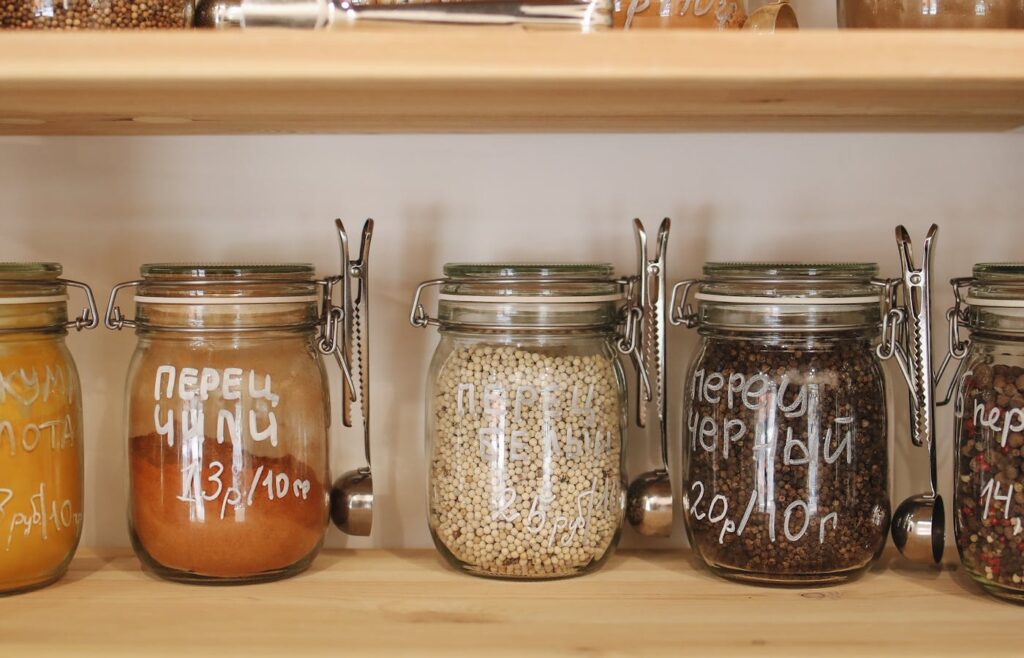
This approach is especially helpful for spices, cans, grains, and breakfast items. It gives enough information to shop well without making every pantry check feel like a stockroom job.
Create a refill list that is separate from the full inventory
The inventory and the shopping list should not be the same thing. The inventory tells you the condition of the pantry. The refill list tells you what needs action now. If everything lives on one long list, the urgent items can get buried among staples that are already fine.
Keep a small refill section at the top of the note or paper. When something moves to buy, add it there. When it is purchased, clear it from the refill section and update the inventory status. This creates a simple loop: notice, add, buy, reset. The loop matters more than the format.
A refill list can include small notes when they prevent wrong purchases, such as “small bag,” “unsalted,” “for chili,” or “only if on sale.”
Do not let the refill list become a wish list. Keep pantry restocks separate from meal ideas, snacks to try, and household extras. A clean refill list makes shopping faster and prevents buying duplicates because the list felt vague.
Make the system visible during meal planning
A pantry inventory becomes more useful when it connects to meals. Before planning dinners or making a grocery list, scan the low and stocked items. This helps you use what is already available instead of buying ingredients that repeat what you have. It also shows which staples can anchor easy meals.
Look for ingredients that should be used soon. Open pasta, half bags of grains, older cans, and nearly empty spice jars can shape meals for the week. This is not about forcing every meal to come from the pantry. It is about letting the pantry speak before the grocery list grows.
Useful meal-planning prompts include:
- What pantry item is taking up space and needs a meal?
- Which staple is low enough to restock this week?
- What can be paired with food already in the fridge or freezer?
- Which backup item keeps getting ignored?
This habit also reveals patterns. If the same item sits untouched, it may not deserve pantry space. If the same item keeps running out, it may need a larger backup amount.
Reset the inventory once a week in a few minutes
A pantry inventory does not stay accurate by itself. It needs a small reset, but the reset should be short enough that it can happen during normal kitchen cleanup. Once a week is enough for most homes, especially before grocery shopping or meal planning.
Use this quick reset:
- Put stray pantry items back into their zones.
- Check only the staple categories on your inventory.
- Move items to stocked, low, or buy.
- Add buy items to the refill list.
- Remove expired or stale items as you notice them.
- Choose one older item to use in the coming week.
The reset should feel like a pantry glance with decisions, not a full cabinet cleanout. If it takes too long, reduce the number of items you track. A smaller list that stays current is better than a complete list that becomes outdated.
Pair the reset with something that already happens, such as making the grocery list or putting away a weekly shop. The system should ride along with kitchen life, not interrupt it.
Keep the system flexible as your cooking changes
Your pantry inventory should change with the way you cook. A system built during a baking phase may not fit a season of quick dinners. A list that made sense for school lunches may need edits during summer. Treat the inventory as a living kitchen tool, not a permanent rulebook.
Remove items you no longer use often. Add items that keep causing emergency store trips. Combine categories if the list feels too long, or split them if one zone keeps getting messy. The system is working when it helps you shop with fewer duplicates and cook with less searching.
Be careful with bulk buying. A pantry inventory can make bulk shopping easier, but only if the extra food has a clear home and a realistic use plan. Buying more because the inventory looks organized can still lead to clutter if the household will not eat through it.
A simple pantry inventory system should make the kitchen feel calmer. Start with problem staples, create zones, track status instead of exact counts, keep a short refill list, and reset once a week. That is enough to reduce duplicate buying and make everyday cooking easier without turning the pantry into a project every time you open the door.