Decluttering Checklist for Beginners
Published Updated

I bring a warm, detail-oriented eye to home routines, decluttering ideas, and everyday ways to make a space feel easier to live in.
Start a cluttered room with one surface and a clear stopping point. If the project involves tall furniture, follow its anchoring instructions; the CPSC furniture safety guidance explains tip-over risks.
This plan follows the order a beginner can actually finish: visible surfaces, obvious trash, duplicate items, clothes, hidden storage, sentimental objects, and a final reset that keeps the room from filling again.
Start with visible surfaces instead of hidden storage
Begin with a visible surface that is making daily use difficult. Counters, chairs, entry tables, nightstands, and floors show the objects that interrupt daily life most often. Removing those items first gives the room a fast visual reset and keeps motivation from disappearing inside one drawer.
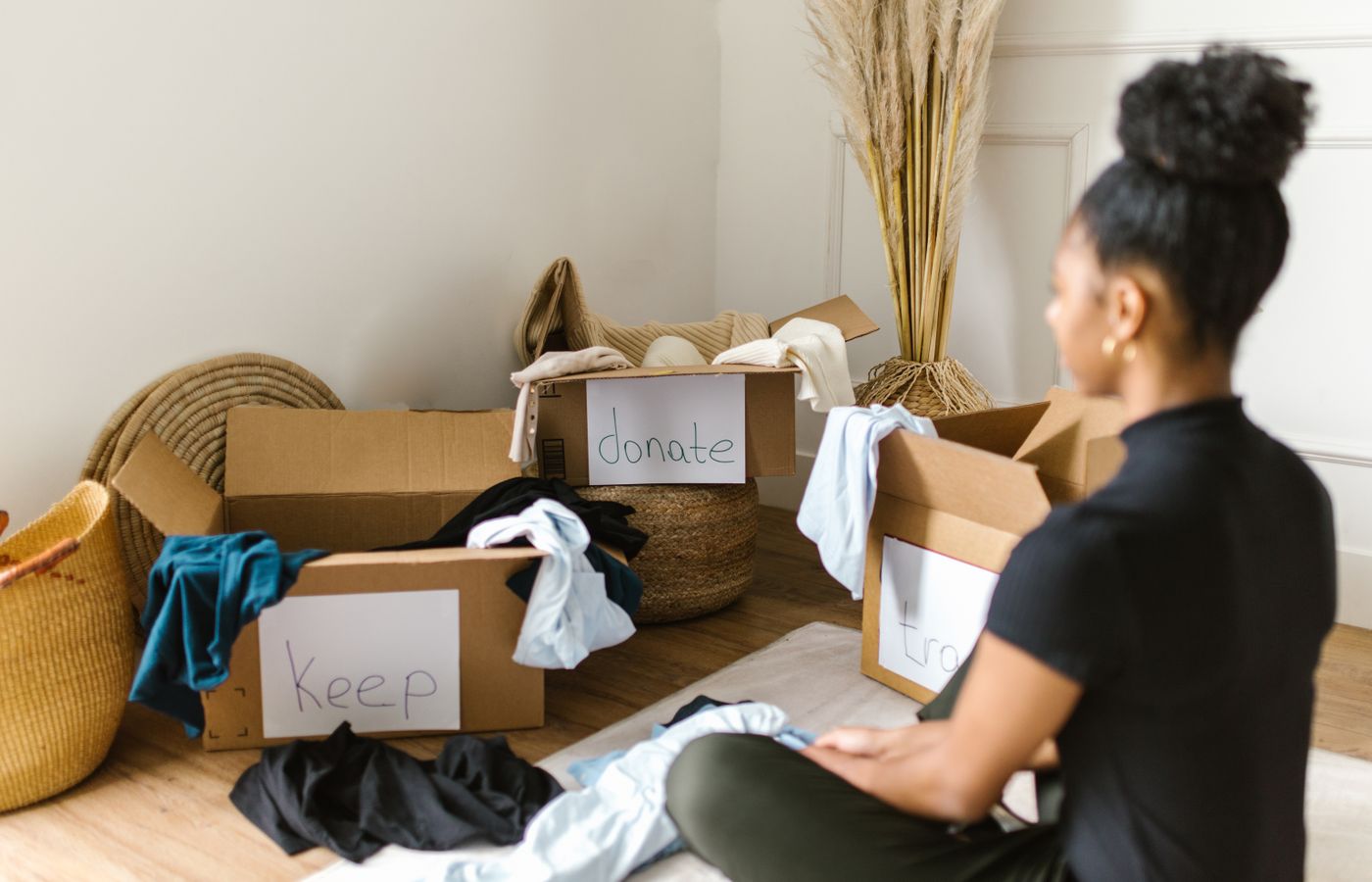
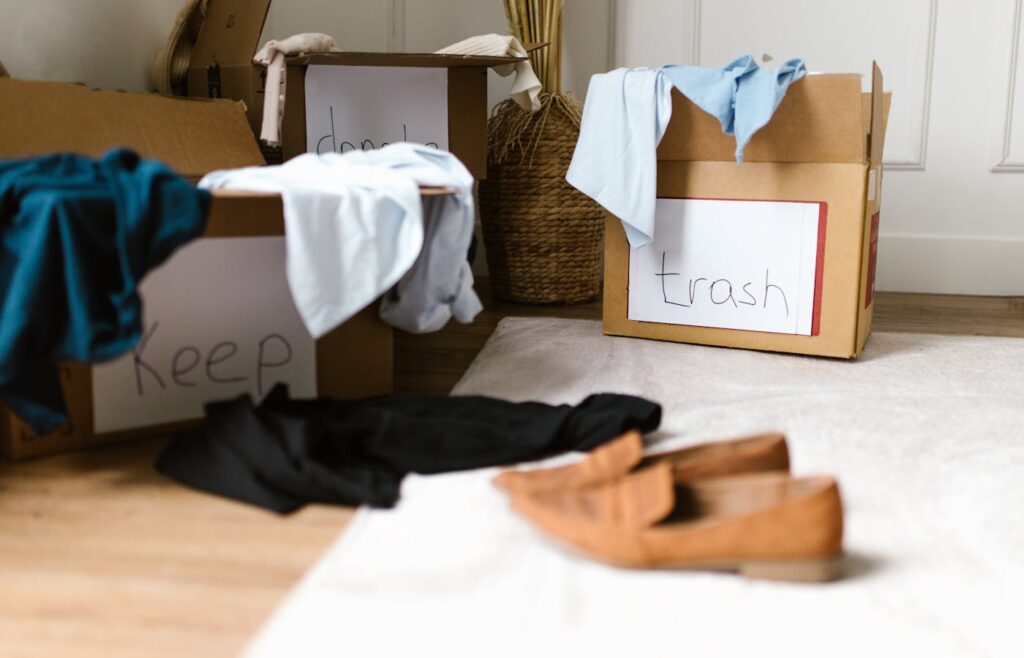
Put items into trash, donate, relocate, and keep groups without stopping to organize the keep pile yet. If an object belongs in another room, move it to a temporary basket rather than walking away each time. The room should look easier to move through before you begin any detailed sorting.
Before moving to the next shelf, check whether the room already feels easier to cross. That physical change matters because decluttering should improve movement, not only reduce item counts.
Use four simple categories for every item
Choose a category for each ordinary item; set uncertain records or hazardous materials aside for a separate check. Anything that needs repair should get a deadline, because repair piles often become hidden clutter. The checklist stays practical because each object has somewhere to go.
When a decision feels sticky, place the item in a short review box with a date. A dated box prevents every uncertain object from stopping the entire session.
| Decision | Practical check |
|---|---|
| Visible surfaces | Clear the places you touch every day first |
| Duplicates | Keep the version you use and trust |
| Hidden storage | Open one drawer or bin at a time |
| Donations | Bag decisions before second-guessing starts |
Declutter clothes by fit, use, and condition
A closet can hold a lot of guilt because clothes often carry price, memory, and hope. Start with damaged items, uncomfortable pieces, duplicates, and clothes that never leave the hanger.
Keep clothes that fit your current life and make getting dressed easier. Sentimental clothing can have a small memory box, but it should not crowd daily clothing. The closet becomes a tool instead of a storage archive.
Clothing choices are easier when the question is use, not identity. Keep the pieces that support the week you actually live, then protect a smaller space for memory items.
Open one storage spot at a time
Opening drawers, bins, and closets all at once can turn a small project into a full-house mess. A single drawer gives you a clear beginning and end.
Empty the spot, wipe it, return only the items that still have a job, and use plain storage-bin labels when they make the contents easier to identify. Do not borrow space from another drawer to avoid making a decision. The storage area becomes easier to trust because it contains fewer surprises.
Hidden storage should end with visible breathing room. If the drawer closes only when everything is packed tightly, the category is still too large for that space.
- Start with one room, not the whole house.
- Use trash, donate, relocate, and keep zones.
- Avoid buying organizers before removing items.
- Stop before fatigue turns every object into a debate.
Handle sentimental items after the easy wins
Memory items are harder because the decision is emotional, not practical. They deserve attention after trash, duplicates, and daily clutter are already handled.
Choose a reasonable container, keep the items that still carry real meaning, and photograph bulky objects when the memory matters more than the object. If every sentimental item is kept, the category has no boundary. The saved items feel more intentional and easier to protect.
Give sentimental sorting time and choose a manageable storage area for the keepsakes. Pause a difficult decision when needed; clearing an ordinary working surface does not require deciding every memory item today.
- Clear trash and obvious exits.
- Sort daily surfaces.
- Review duplicates.
- Bag donations immediately.
Finish with a reset that prevents immediate backsliding
Decluttering is frustrating when the room fills again within a week. A reset spot for mail, laundry, donations, and items that belong elsewhere catches the usual returning clutter.
Schedule a short weekly pass to remove trash, return objects, and take donations out of the house. The reset should take minutes, not become a second decluttering project. The checklist turns into a habit rather than a one-time rescue.
The final reset should remove donations from the room the same day if possible. A bag left by the door for weeks is only clutter wearing a label.
A beginner checklist works because it narrows the room into decisions you can finish. Once the obvious items are gone, storage and decorating choices become much clearer.
Set aside items that need a different decision
Food, medicines, batteries, chemicals, and important paperwork do not belong in an automatic discard pass. Read food and medicine labels, find local hazardous-waste routes, and check record retention before disposal. A broken object may need a repair decision; an unidentified chemical needs a safe assessment rather than a smell test.
Keep emergency equipment and supplies that are rarely used but have a clear purpose. For a shared household, ask before donating another person's belongings. You can still clear the accessible surface by placing uncertain items in a small labeled review area, with a specific next action such as checking the product label or contacting a disposal service.
One-area decluttering worksheet
Choose one small spot. Plan where its contents will go before opening another drawer.
The button opens your browser’s print dialog. Choose “Save as PDF” to keep a copy. You can type below or print a blank sheet; entries stay on this page and are not saved or sent.
JundHaus
Clear one small area
Keep the task small enough to finish without unsafe lifting or rushed decisions.
Ask before removing another person’s belongings. Stop before fatigue makes decisions or moving items unsafe; uncertain records and materials can wait for the right check.
Full decluttering guidehttps://jundhaus.com/decluttering-checklist-for-beginners/

Keep this guide handy
An illustrated summary made for JundHaus. Read the guide above for the details and cautions.
Save to Pinterest (opens in a new tab)