How to Keep Bathroom Counters Clutter-Free
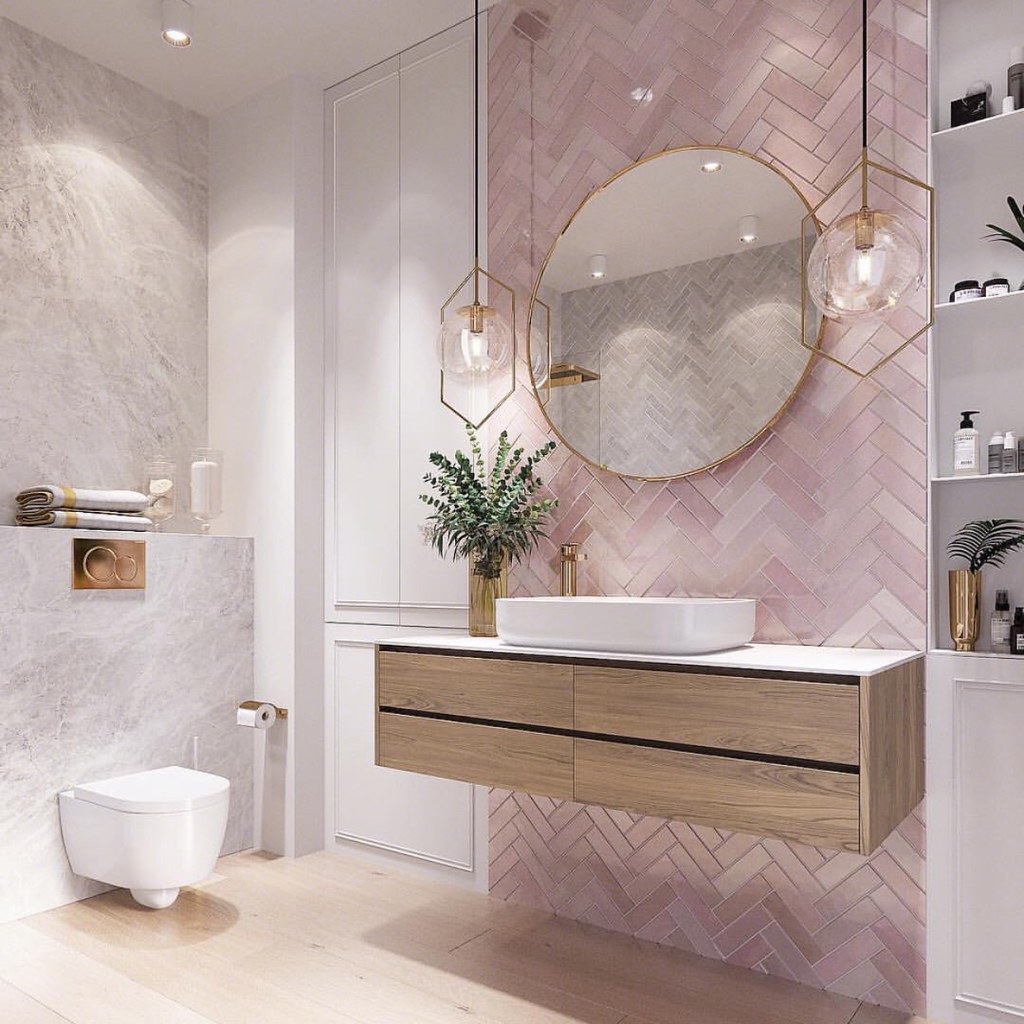
Bathroom counters collect clutter because they sit exactly where busy routines happen. Toothpaste, razors, skincare, hair tools, medicine, towels, jewelry, and half-used products all pass through the same small surface. Without a simple rule for what stays out, the counter becomes a storage shelf by accident.
Learning how to keep bathroom counters clutter free starts with deciding which items deserve daily counter space, which items need a nearby home, and which products are only there because nobody chose a better place yet.
A clear bathroom counter should make the next routine easier, not make the room feel staged. The goal is a surface you can wipe quickly and use without moving five things first.
Decide what actually earns counter space
Start by separating daily-use items from occasional items. A toothbrush holder, hand soap, and one small tray may make sense on the counter. Backup toothpaste, extra skincare, travel bottles, duplicate hair products, old razors, and rarely used tools usually belong somewhere else. The counter should not hold every product that has ever been opened.
Use a simple test: if you use it every morning or every night, it can be considered for counter space. If you use it weekly, monthly, seasonally, or only when you remember it exists, store it nearby but off the counter. That one decision removes a surprising amount of visual noise.
For shared bathrooms, give each person a small limit instead of arguing item by item. A tray, cup, drawer section, or small bin can define the amount of visible space each routine gets. When the container is full, something has to move.
This step also makes cleaning less annoying. When the counter holds only the daily basics, wiping toothpaste spots and water rings takes seconds instead of turning into a full product shuffle.
Create one landing zone instead of many piles
Bathroom clutter often spreads because every object lands wherever a hand happens to drop it. A ring sits near the sink, hair ties gather by the faucet, a razor dries on the edge, and skincare bottles drift across the counter. A single landing zone keeps temporary items from becoming scattered piles.
A small tray, shallow dish, or washable organizer can hold the few items that need to stay visible. Keep it away from the wettest part of the sink if possible. The landing zone should be easy to lift so you can wipe underneath it without turning cleaning into a project.

I like counter trays that stay simple: low, washable, and small enough to force choices. If the tray becomes a second cabinet, it stops solving the problem.
- Keep hand soap close to the sink.
- Use one cup or holder for toothbrushes.
- Give jewelry and hair ties a small dish.
- Keep daily skincare on a tray only if it fits neatly.
- Move backup products to a cabinet, drawer, or linen closet.
Move backups and duplicates away from the sink
Backups are one of the quiet reasons bathroom counters stay crowded. Extra toothpaste, unopened deodorant, spare razors, replacement soap, and half-used bottles do not need prime counter space. They are useful, but they are not part of the active routine every day.
Create a backup zone under the sink, in a linen closet, on a bathroom shelf, or inside a labeled bin. Keep it simple enough that you can find replacements without digging. If backups are mixed with daily products, you will keep buying more because you cannot see what you already own.
This also helps with cleaning. Counters are faster to wipe when only active items remain. Cabinets and bins can hold the extras without making the sink area feel crowded every time someone washes their hands.
If the bathroom is tiny, use one narrow bin for unopened items and review it before shopping. The counter should show what is in use today, not everything that might be useful later.
Use drawers and cabinets by routine, not by product type
Many bathrooms are organized by product type: hair things in one area, skin things in another, medicine somewhere else, and tools wherever they fit. That can work, but a routine-based layout is often easier. Store items together when you use them together.
A morning drawer might hold deodorant, face moisturizer, contact supplies, and a comb. A night drawer might hold cleanser, dental floss, lip balm, and any products used before bed. A grooming bin might hold clippers, nail tools, tweezers, and other items that do not need to live beside the faucet.
The point is to reduce counter parking. If an item has to travel through three different storage spots during one routine, it is more likely to stay out. A routine-based drawer gives the item a short trip back home. Bathroom routines stay easier when bathroom cleaning checklist keeps small-space storage under control.
Do not overbuild this. A shoebox-sized bin, a drawer divider, or a washable pouch can be enough if it keeps the routine together and returns easily to the same place.
Make wet items easy to dry without taking over
Some bathroom items really do need air: toothbrushes, razors, washcloths, and certain cleaning tools. The mistake is letting drying needs become a reason for everything to stay on the counter. Give wet items a defined drying spot and keep that spot small.
Use a toothbrush holder that drains well, a hook for a washcloth, a small razor stand, or a caddy that can be lifted for cleaning. Avoid letting wet items sit flat in puddles near the sink because they make the counter look messy and can leave residue behind.
- Choose holders that can be rinsed or wiped easily.
- Keep wet tools away from makeup and paper items.
- Do not store damp cloths in closed drawers.
- Replace cracked cups, rusty holders, or sticky organizers.
- Leave enough open counter for quick wiping.
Reset the counter at the end of the day
The daily reset is what keeps a bathroom counter from slowly filling again. It does not need to be dramatic. The goal is to return stray items to their homes before they become the next morning’s obstacle.
- Throw away empty packaging, cotton rounds, floss, and tissues.
- Return backup products to the backup zone.
- Put makeup, razors, and hair tools back in their routine drawers.
- Lift the tray and wipe the exposed counter.
- Check whether anything stayed out because it lacks a real home.
If the same item is out every night, do not keep blaming the person using it. Change the storage. Move it closer, give it a better container, or admit that it deserves a small visible spot. Systems work better when they match the routine.
Keep the counter useful when the bathroom is shared
Shared bathrooms need clearer boundaries because one person’s “just for now” can become everyone’s clutter. Give each regular user a drawer section, caddy, shelf, or small bin. If the bathroom is used by guests, keep the visible counter even simpler so guests can find soap and a hand towel without moving personal products.
For kids, the system may need to be lower, simpler, and more forgiving. A labeled bin or color-coded cup is easier than a drawer full of tiny categories. For adults, the bigger issue is usually duplicates, delayed decisions, and products kept out because the cabinet is already full.
Keeping bathroom counters clutter-free comes down to limits and return paths. Let daily items earn visible space, give temporary items one landing zone, move backups away from the sink, store routines together, and reset the surface before the day is done. The counter will stay easier to clean because it has less to explain.