
Bathroom Cleaning Checklist for a Fresh Week
Published Updated

By Silas Payao
I write practical cleaning and organization guides focused on simple routines, realistic storage ideas, and calmer home systems.
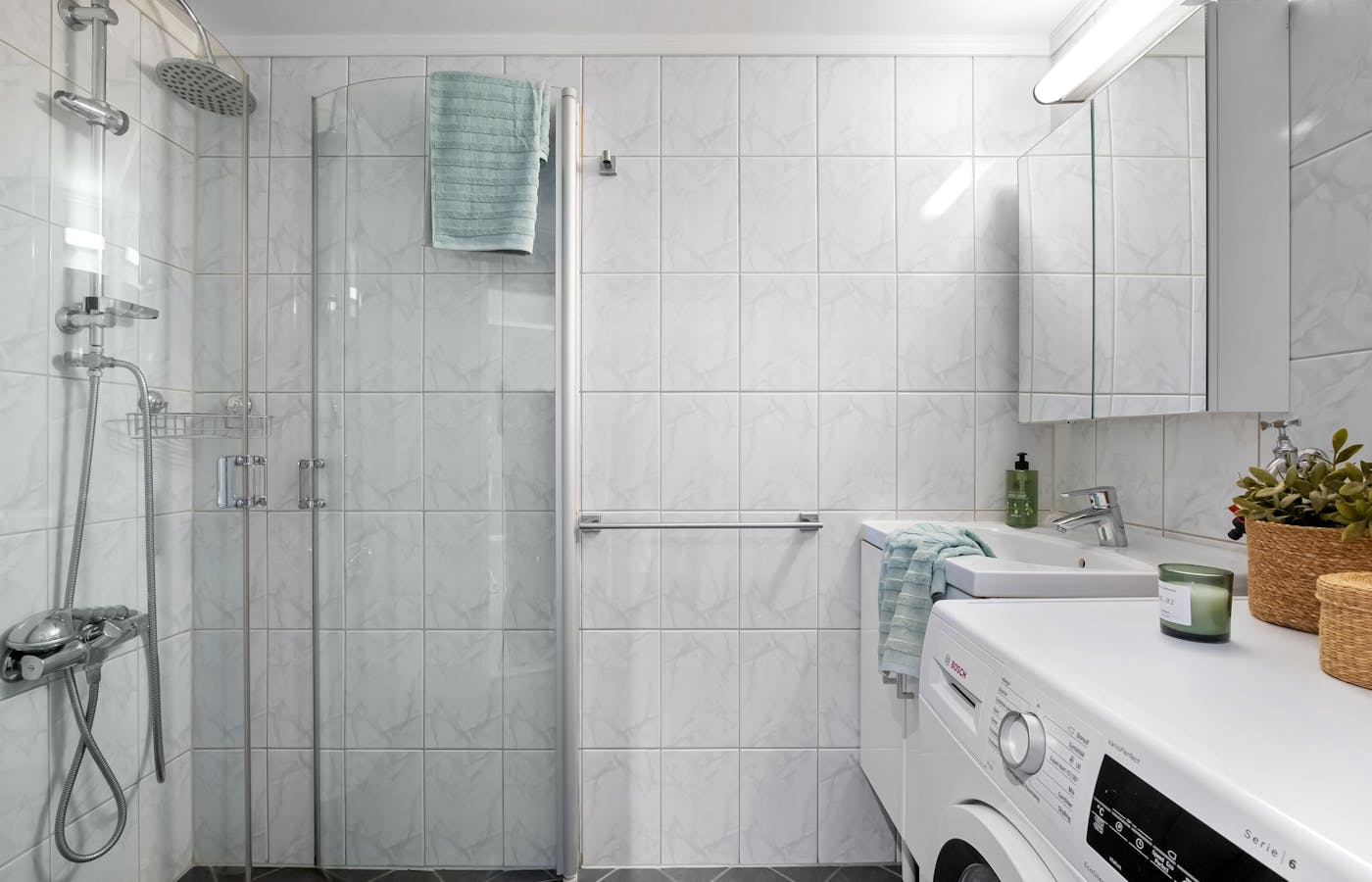
A bathroom can look fine from the doorway and still feel stale by the end of the week. Toothpaste marks, mirror spots, damp towels, dust near the toilet base, and soap film in the shower all build up quietly. The room is small, so small messes show fast.
A weekly bathroom checklist divides the room into surfaces you can clean in a sensible order. Gather supplies from a safely organized cabinet before starting; under-sink storage precautions explain the access and chemical separation to preserve.
For a small bathroom, that order matters even more. When supplies, towels, and damp surfaces share the same tight room, cleaning from dry to wet and high to low keeps the work from circling back on itself.
Start with a quick bathroom reset before cleaning
Begin by removing anything that does not belong on the counter, floor, tub edge, or toilet tank. Put laundry in the hamper, toss empty bottles, move hair tools, and return extra products to their normal storage. Cleaning goes faster when you are wiping surfaces, not negotiating clutter.
Open a window or turn on the fan if the bathroom has one. Good airflow helps the room dry and makes cleaning more comfortable. Gather supplies before starting: gloves, microfiber cloths, toilet brush, bathroom cleaner, glass cloth, trash bag, and any shower product you use.
This first reset is not the deep cleaning. It is the setup that lets the real cleaning happen without stopping every minute to move another bottle or towel.
Clean the sink, faucet, and counter first
The sink area usually shows daily use fastest. Toothpaste, soap, makeup, shaving residue, water spots, and dust collect around the faucet and drain. Spray or apply cleaner according to the label, then wipe from the cleaner areas toward the dirtier edges so grime does not spread back across the counter.
Use a small brush, old toothbrush, or folded cloth around the faucet base and drain if buildup collects there. These tight spots can make the whole sink look older than it is. Rinse or wipe away product residue so the surface does not feel sticky later.
Finish by drying the faucet and counter with a clean cloth. Drying takes a few seconds, but it makes the weekly clean look more polished and helps slow new water spots.
Wipe mirrors and high-touch bathroom spots
Mirrors collect toothpaste mist, fingerprints, water dots, and lint. Use a glass cloth or a clean microfiber towel that has not touched oily products. Wipe from top to bottom, then check from the side because streaks often appear only when the light hits the mirror at an angle.
After the mirror, wipe high-touch spots: light switches, door handles, cabinet pulls, flush handles, faucet handles, and the outside of product bottles that stay on the counter. Use the appropriate method for each surface; do not spray liquid onto electrical switches or let it enter openings.
Keep this step simple. A weekly bathroom reset should not turn into polishing every object in the room. Focus on places people touch often and places that visibly interrupt the clean look.
| Area | Weekly focus | Quick check |
|---|---|---|
| Sink | Faucet, drain, counter | No sticky residue |
| Mirror | Spots and streaks | Check from the side |
| Toilet | Bowl, seat, base | Look near hinges |
| Shower | Soap film and corners | Dry where possible |
Give the toilet enough attention without overcomplicating it
The toilet needs a consistent order. Apply bowl cleaner first if the product requires contact time, then clean the outside while it sits. Wipe the handle, tank top, lid, seat, hinges, rim, outer bowl, and base. The base and floor around the toilet often collect dust and hair, so do not skip that area.
Use dedicated toilet cloths or disposable paper that will not then touch sink, mirror, or personal-care surfaces. Work from cleaner upper surfaces toward the lower base. Scrub the bowl last, flush, and rinse the brush if your setup allows it to dry properly.
Handle the shower, tub, and glass before buildup hardens
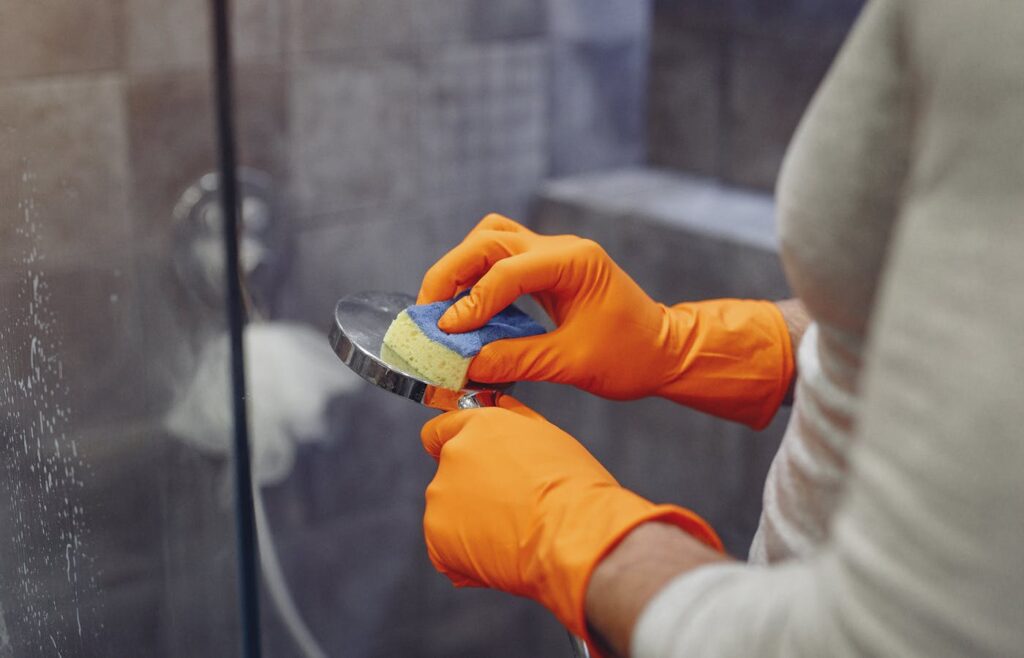
Showers and tubs are easier to clean weekly than monthly. Soap film, shampoo residue, body oils, and hard water marks become more stubborn as they sit. Spray or apply the right cleaner for the surface, give it the recommended time, then scrub or wipe the walls, fixtures, ledges, and floor.
Pay attention to corners, the lower edge of glass, grout lines, and around the shower fixture. These are the places where residue hides even when the main wall looks clean. If you use a squeegee after showers during the week, the weekly clean usually takes less effort.
Do not mix cleaning products, especially in a small bathroom. Follow the product instructions for rinsing and removal; do not layer a different cleaner over residue or assume a quick rinse makes incompatible products safe. A fresh bathroom should not require risky chemistry.
Refresh towels, trash, floor, and hidden corners
Fresh towels make the bathroom feel cleaner immediately. Replace hand towels, bath towels, and washcloths that are damp or overdue. Empty the trash, check the floor behind the door, and look around the vanity base where hair and dust gather.
Vacuum or sweep before mopping so wet cleaning does not turn hair and dust into clumps. Mop the floor last, starting farthest from the door and working your way out. If the bathroom is tiny, a damp microfiber pad may be enough for the weekly floor reset.
Look at hidden corners before putting supplies away. A quick pass behind the toilet, beside the vanity, and under the trash can keeps the bathroom from smelling clean on top but dusty underneath.
Keep the bathroom fresh between weekly cleans
The weekly checklist works better when tiny habits support it. Hang towels so they dry, rinse toothpaste from the sink after brushing, close product caps, run the fan after showers, and keep a small cloth nearby for quick counter spots. These habits do not replace cleaning, but they reduce how hard the weekly reset has to work.
If the same mess returns every week, adjust the system. Add a hamper if towels land on the floor, reduce products on the counter, or move backup supplies out of the bathroom if storage is crowded. Repeating messes usually point to a missing home for something.
- Clear counters before spraying surfaces.
- Clean the sink and mirror early.
- Use a fixed order for the toilet.
- Clean shower residue before it hardens.
- Finish with towels, trash, and floor.
Choose cleaners approved for the actual finish. Cleaning and disinfection have different purposes; if disinfection is needed, follow the label, including its required wet contact time. CDC household cleaning guidance explains that distinction. Persistent mold or recurring dampness needs the moisture cause addressed, not stronger mixtures.

Keep this guide handy
An illustrated summary made for JundHaus. Read the guide above for the details and cautions.
Save to Pinterest (opens in a new tab)