How to Organize Food Containers and Lids
Published Updated

By Silas Payao
I write practical cleaning and organization guides focused on simple routines, realistic storage ideas, and calmer home systems.
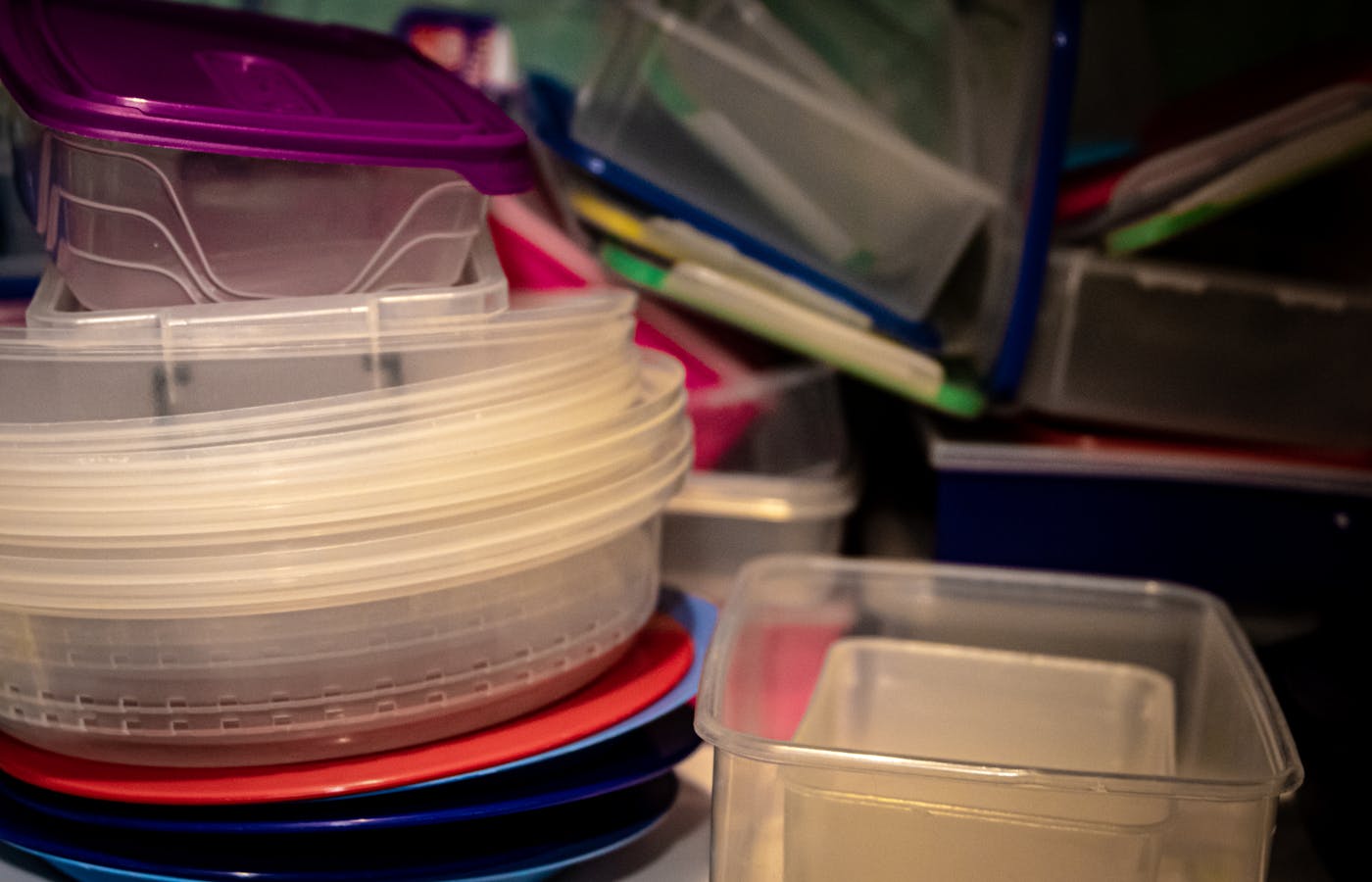
Food containers usually become messy in a quiet way. One lid stays in the dishwasher, one base gets used for leftovers, one takeout tub enters the cabinet, and suddenly the whole shelf needs two hands just to close the door. The problem is rarely one bad container. It is the lack of a simple matching rule.
Learning how to organize food containers and lids starts with making every piece prove that it still belongs. A good system should help you pack leftovers quickly, find the right lid without digging, and put clean pieces away without rebuilding the cabinet each time.
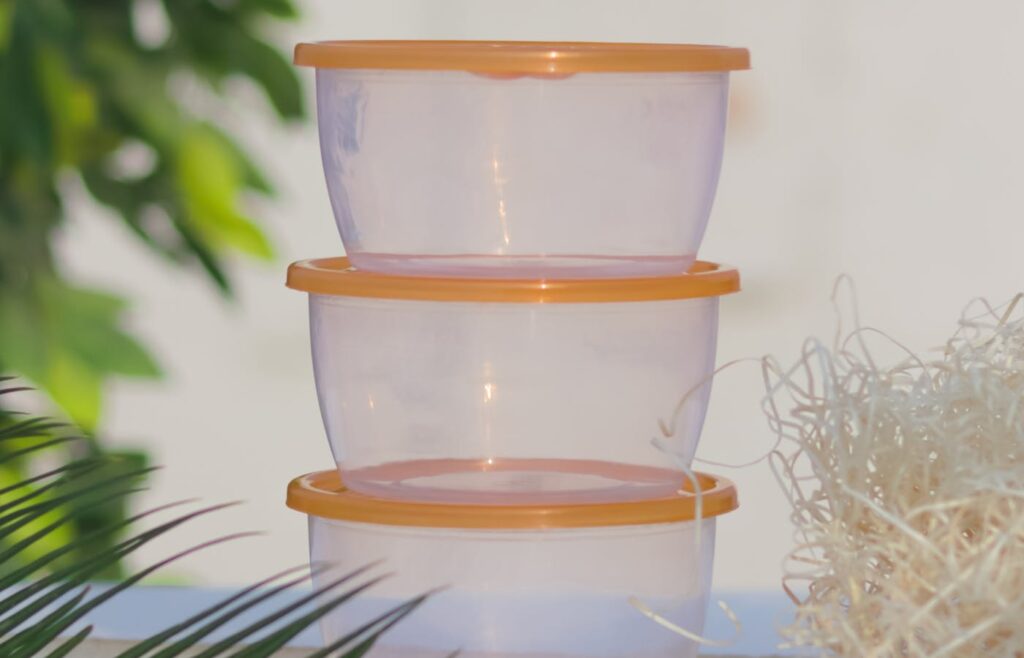
Keep matched containers easy to reach and return when you put food away after dinner.
Empty the whole container area before sorting
Start by pulling every container, lid, lunch box, jar, and takeout tub from the cabinet, drawer, pantry shelf, or dishwasher rack where they usually hide. This step can feel dramatic for a small category, but it prevents the common mistake of organizing only the pieces you can see. Food storage spreads easily, and half the clutter may be sitting in another cabinet.
Place everything on a table or counter and group bases with bases, lids with lids, and odd pieces off to one side. Do not decide anything yet. The first job is simply to see the full amount. Many container problems become obvious as soon as the category is gathered: ten lids for three bases, bowls that no longer seal, or small tubs saved for a use that never happens.
Wipe the empty shelf or drawer before anything returns. A clean empty space makes it easier to judge what deserves to go back instead of sliding the same old stack into place.
Match every lid to a base before keeping it
The fastest way to reduce container chaos is to make matching non-negotiable. Pick up each base and find the exact lid that seals it. If the lid only sort of fits, pops loose, has a warped corner, or belongs to a container that is gone, put it in a discard or recycle pile according to your local rules. Keep an unmatched lid only if it has a specific near-term use or a replacement base is actually available.
Do the same test in the other direction. If a container has no lid, decide whether it has another clear job, such as holding drawer clips, snacks, or small pantry packets. If it does not, remove it from the food storage zone. Keeping lidless containers “just in case” is how the cabinet fills with pieces that cannot do the main job.
| Piece | Keep it if | Remove it if |
|---|---|---|
| Container base | It stacks, seals, and gets used | It is warped, cracked, stained beyond comfort, or missing a lid |
| Lid | It snaps onto a base you are keeping | It is loose, bent, duplicated, or unmatched |
| Takeout tub | Its maker permits reuse for the intended food-storage purpose | It has multiplied beyond a small limit |
| Special container | It solves a real lunch, freezer, or baking need | It only survives because it was expensive |
Keep the sizes that match your real meals
After the matching pass, look at the sizes you actually use. Some homes need many small containers for snacks, sauces, and chopped ingredients. Others mostly need medium containers for leftovers and a few larger ones for soup, salad, or batch cooking. The useful mix depends on how you eat, not on what came in a set.
Keep enough containers to handle a normal week plus a little extra. If every container is full after one dinner, the set may be too small. If half the cabinet is full of rarely used shapes, the set may be too scattered. Clear rectangles usually stack better than random round bowls, but the right answer is the one your household reaches for without hesitation.
This is where food-container organization becomes personal. A lunch-packing family, a single cook, and someone who freezes soup need different container counts. Let use decide, not guilt over keeping a complete set.
Choose one simple home for container lids
Container lids need a home that is more specific than “somewhere near the containers.” Loose lids slide, hide behind bases, and turn every cleanup into a search. Choose one lid method: stand them upright in a narrow bin, file them in a drawer divider, sort them by shape in a shallow basket, or stack them flat only if the pile stays small and visible. If container overflow keeps landing near prep space, clear kitchen-counter organization helps separate what deserves counter space from what belongs back in a cabinet.
The best lid zone is close enough that putting dishes away takes one motion. If bases are in a lower cabinet, lids should not live across the kitchen. If containers are in a deep drawer, lids may work best in the same drawer with a divider between them. The distance matters because people follow the easiest return path when they are tired.
- Store rectangular lids with rectangular containers.
- Keep round lids in a separate small group if they slide.
- Use one bin for lids instead of several vague piles.
- Place the most common lid size in the easiest reach spot.
- Remove extra lids immediately after a matching check.
Stack containers by shape, not by brand
Brand matching looks tidy, but shape matching usually works better in a busy kitchen. Rectangles stack with rectangles, squares stack with squares, and round bowls stack with round bowls. This keeps the pile stable and makes it easier to see how many pieces are available. A mixed tower of different shapes may save a little space at first, but it usually becomes awkward after one dishwasher cycle.
Keep lids near the matching shape instead of forcing every lid into one overstuffed pile. In a cabinet, this might mean bases on the left and a lid bin on the right. In a drawer, it might mean bases nested in one section and lids standing upright in another. The layout should make the next container obvious without pulling out the whole stack.
If you have glass and plastic containers, consider separating them by weight. Heavier glass pieces are easier and safer to lift from a lower shelf or a sturdy drawer.
Give takeout containers a strict limit
Check that a takeout container is intended for reuse before keeping it for food. Do not assume it is suitable for microwaving, freezing, or repeated dishwasher cleaning. They arrive without a decision, then stay because they feel wasteful to remove. Choose a small limit before the next order arrives. Choose the limit around containers whose maker permits the intended reuse, not a fixed number for every kitchen.
Do not mix disposable or temporary tubs into the main stack if they make the daily containers harder to reach. Give them a separate small spot or keep them only when they fit inside one larger container. If the temporary stack overflows, remove the extras before adding another organizer. More storage should not become permission to keep every spare tub.
Follow the container manufacturer's instructions for food contact, temperature, and cleaning. Check material condition before reusing any food container. If plastic is cracked, sticky, strongly stained, warped, or no longer closes well, it should not stay in the food storage rotation.
Reset the system after dishes, not during cooking
The best time to protect the container system is when clean dishes are being put away. Cooking time is too late; the cabinet is already under pressure. After the dishwasher or drying rack is ready, match lids quickly, return bases to their shape stack, and remove anything that no longer has a partner. This tiny reset keeps the cabinet from drifting back into a mixed pile.
A weekly check can stay very small. Open the drawer or cabinet, straighten the lid bin, nest the bases again, and pull out any extra takeout pieces. If one size keeps causing trouble, adjust only that section instead of rebuilding everything. The system should be easy enough to repair in a few minutes.
- Put clean bases back by shape.
- File lids into the chosen lid zone.
- Match any loose lid before storing it.
- Remove unmatched or damaged pieces right away.
- Check the takeout container limit before closing the cabinet.

Keep this guide handy
An illustrated summary made for JundHaus. Read the guide above for the details and cautions.
Save to Pinterest (opens in a new tab)