How to Organize a Refrigerator by Zones
Published Updated

By Silas Payao
I write practical cleaning and organization guides focused on simple routines, realistic storage ideas, and calmer home systems.
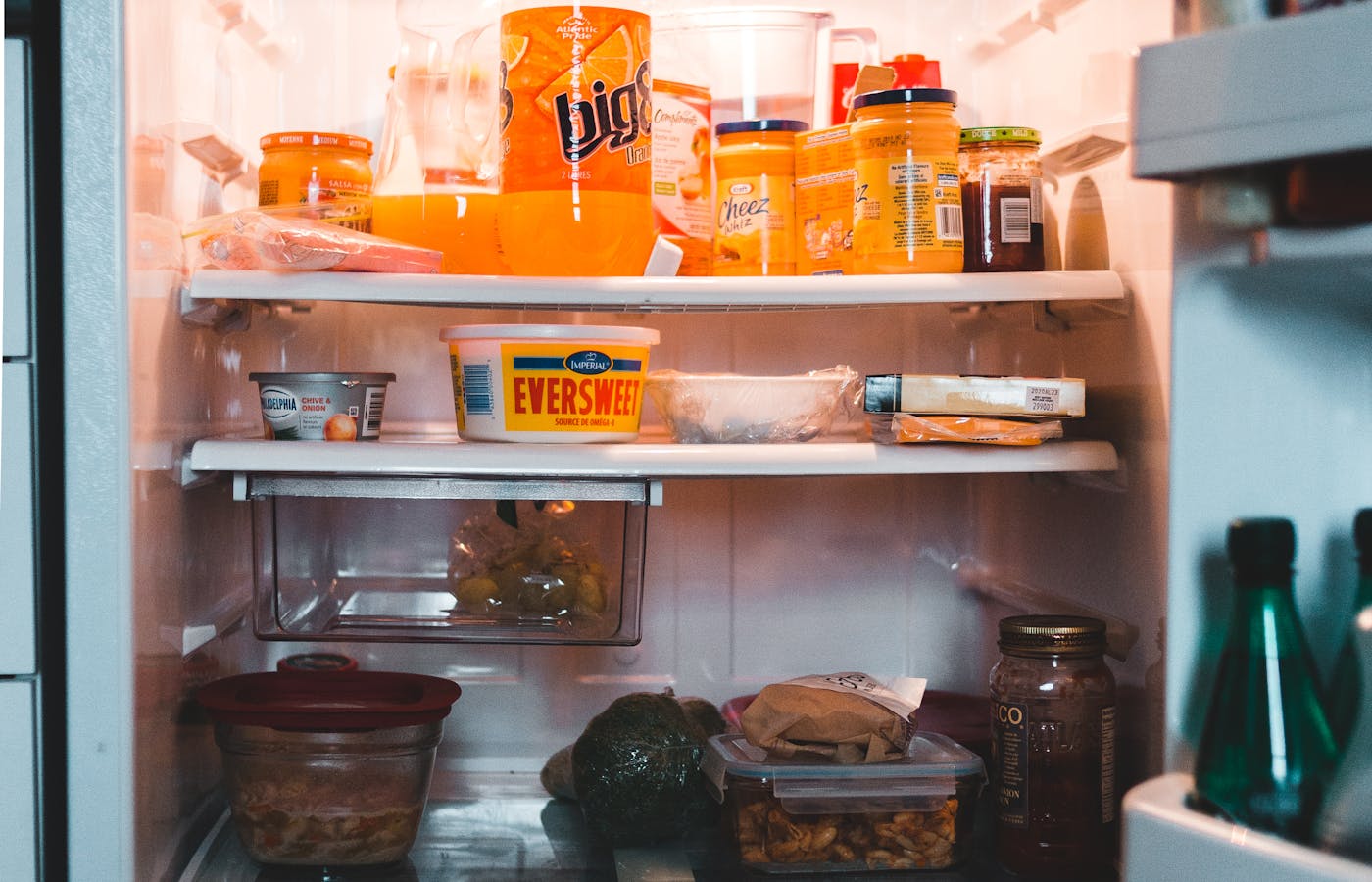
A useful refrigerator layout keeps ready-to-eat food easy to find and raw meat away from food it could contaminate. Give leftovers a visible home, contain packages that may leak, and leave enough space to see what is inside. Choose the zones around your refrigerator's shelves and drawers rather than copying a photograph of a different appliance.
Organization comes after temperature and safe food handling. Use an appliance thermometer and check the manufacturer's guidance for the model. USDA guidance for US households recommends keeping the refrigerator at 40°F (4.4°C) or below. A neatly labeled shelf does not compensate for food that has been stored too warm or too long.
Check temperature and clear one shelf at a time
Begin with the refrigerator's manual, temperature reading, and the food already inside. Notice which items are opened, which were cooked recently, and which containers have no date. Remove food in small groups so the project does not leave everything on the counter while you reorganize the whole appliance.
Follow the manufacturer's instructions for cleaning shelves and drawers. Avoid forcing a shelf that does not come out easily or washing a component in a way its care instructions prohibit. Wipe spills as you go, dry the parts, and return food promptly.
If you are uncertain about storage time or temperature, use USDA refrigeration guidance or equivalent guidance for your location. Smell and appearance cannot establish whether food is safe. Make the storage decision before giving an uncertain container a more attractive place on the shelf.
Put ready-to-eat food where it stays visible
Choose a shelf or section for prepared lunches, covered leftovers, and other ready-to-eat food. Keep that area above raw products that could leak. The top shelf is often useful, but the exact layout depends on the appliance and what can fit there safely.
Use shallow, closed containers where appropriate and label them with the contents and preparation date. The label should be readable from the front without lifting the whole stack. If everyone in the household needs the same shelf, agree on one location before adding bins.
Keep tall containers from hiding smaller ones. Put the food you need to use first in front, while allowing the air circulation required by the appliance. Do not add a large organizer that blocks a vent or forces packages tightly against each other.
Contain raw meat, poultry, and seafood
Keep raw meat, poultry, and seafood in a contained lower area where leaks cannot drip onto ready-to-eat food. A suitable rimmed tray or container makes a leak easier to spot and clean. Check packaging when you put groceries away and when you remove an item to cook.
Keep thawing food contained too. Do not balance a package above salad greens, fruit, or open leftovers. If the refrigerator has a drawer for raw products, check its instructions and temperature before relying on the drawer's name.
Separate organization from storage time. A package in the correct zone still needs to be cooked, frozen, or discarded according to the applicable food-safety guidance. A simple date on the package is more useful than a category label that says only "dinner."
Use produce drawers without hiding the contents
Check the manual for the purpose of each drawer and any humidity settings. Arrange produce so delicate leaves are not crushed beneath heavy items. A drawer that is packed to the top makes it hard to inspect what needs attention.
Group the produce you buy regularly and give loose items a visible place. The arrangement may be vegetables in one drawer and fruit in another, or a different split that follows the model's instructions and the needs of your food. Avoid treating the drawer as a place for every item that did not fit elsewhere.
When you see pooled water, a spill, or spoiled produce, deal with it before adding another shopping bag. Use food-specific storage guidance where needed; one moisture rule does not suit every fruit, vegetable, or herb.
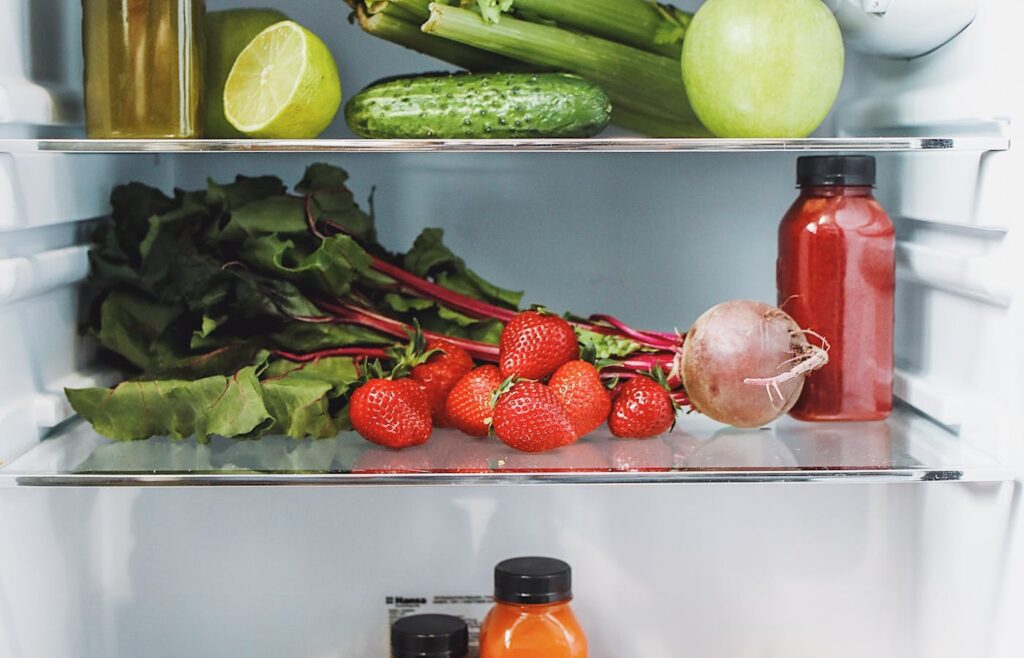
Use the door according to the food and appliance guidance
The door is easy to reach and easy to overcrowd. Follow storage instructions on the food packaging and in the refrigerator manual when deciding what belongs there. Keep products requiring steadier cold conditions in an appropriate interior area rather than choosing solely by bottle shape.
Group condiments so you can see open bottles and duplicates. Finish an appropriate open product before opening another, but do not combine old and new contents just to reduce the number of bottles. Their storage history and dates may differ.
Check the door before shopping. Remove items that should no longer be used and wipe drips before returning the bottles. A row of upright jars is useful only if you know which ones still belong in the refrigerator.
Make an eat-first area with a clear date rule
A front shelf corner or small bin can collect food that needs attention soon. Label it "eat first" and keep it small enough that every container remains visible. Moving food there does not extend its safe storage life.
For cooked leftovers, USDA's leftovers guidance gives a refrigerated storage window of three to four days. It also advises prompt refrigeration and shallow containers for cooling larger amounts. Check food-specific guidance and the way the food was handled rather than using that window for every opened product.
Use the zone when planning a meal and writing a shopping list. If a container has no reliable preparation or storage history, move the question out of the meal plan and resolve its safety first. An eat-first label should never pressure someone to eat uncertain food.
Choose containers around access and cleaning
Measure shelf height and depth before buying organizers. Rectangular containers may fit a space efficiently, but the existing food container can be sufficient. Add a tray where small jars scatter or packages need containment; leave changing groceries some open space.
Keep food-contact containers separate from household storage boxes unless the product is intended for that use. Check lids, closures, and cleaning instructions. A container that leaks or is difficult to wash creates another task, even if it stacks well.
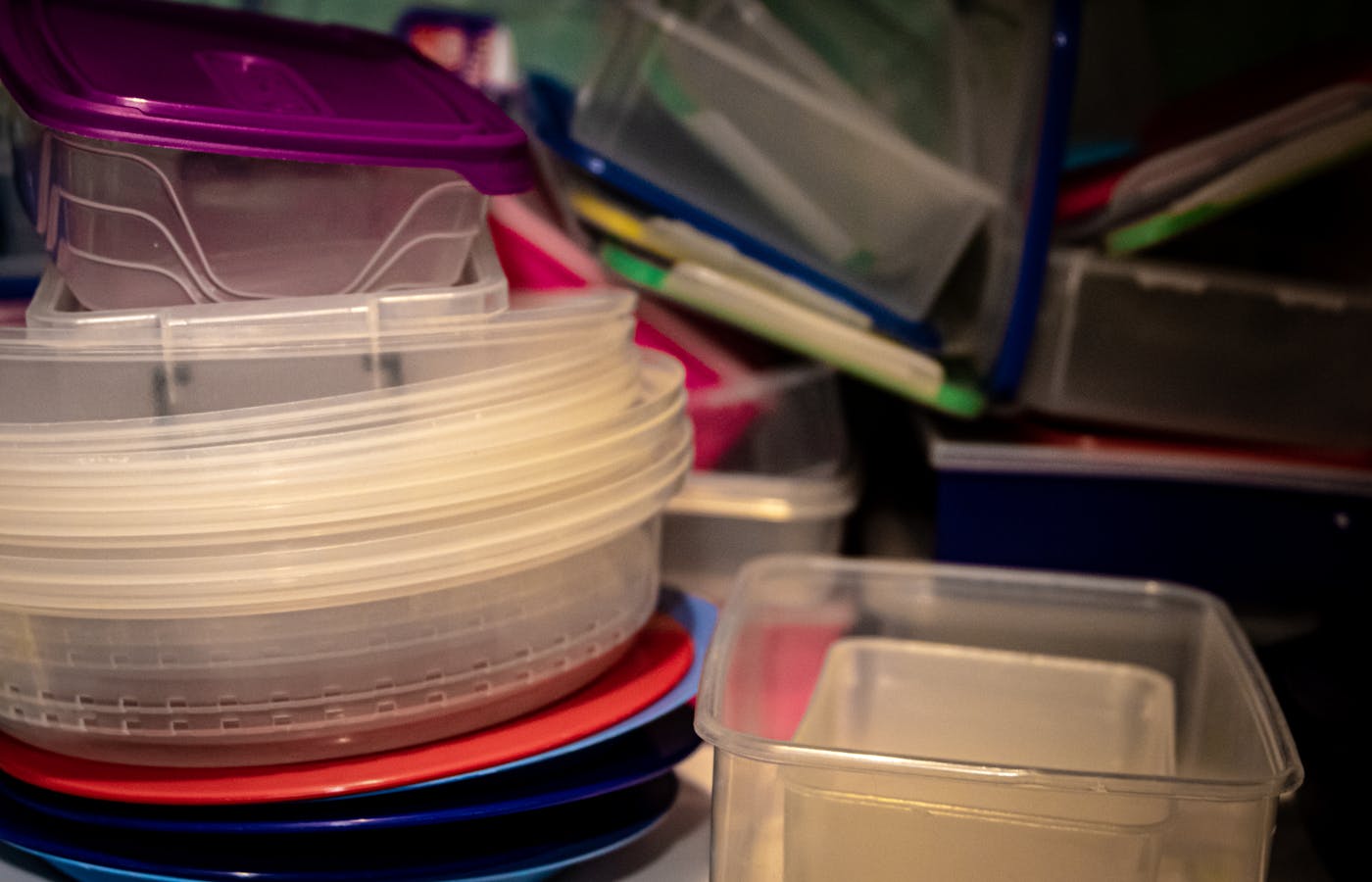
For the empty containers kept outside the refrigerator, a container-and-lid storage plan can help you find a matched set without searching several cupboards. That makes it easier to put food away promptly.
Reset before groceries arrive
- Check the temperature reading and keep vents unobstructed.
- Review preparation dates, opened packages, and food-specific storage limits.
- Choose usable food for the next meal before writing the shopping list.
- Clean visible spills and check the raw-food tray.
- Put incoming food in its safe zone without overfilling the appliance.
If a zone repeatedly overflows, reduce its size or contents before buying another bin. The arrangement should let you see dates, take out one item, and return it without moving half the refrigerator.

Keep this guide handy
An illustrated summary made for JundHaus. Read the guide above for the details and cautions.
Save to Pinterest (opens in a new tab)