Storage Ideas for Shoes in a Small Entryway
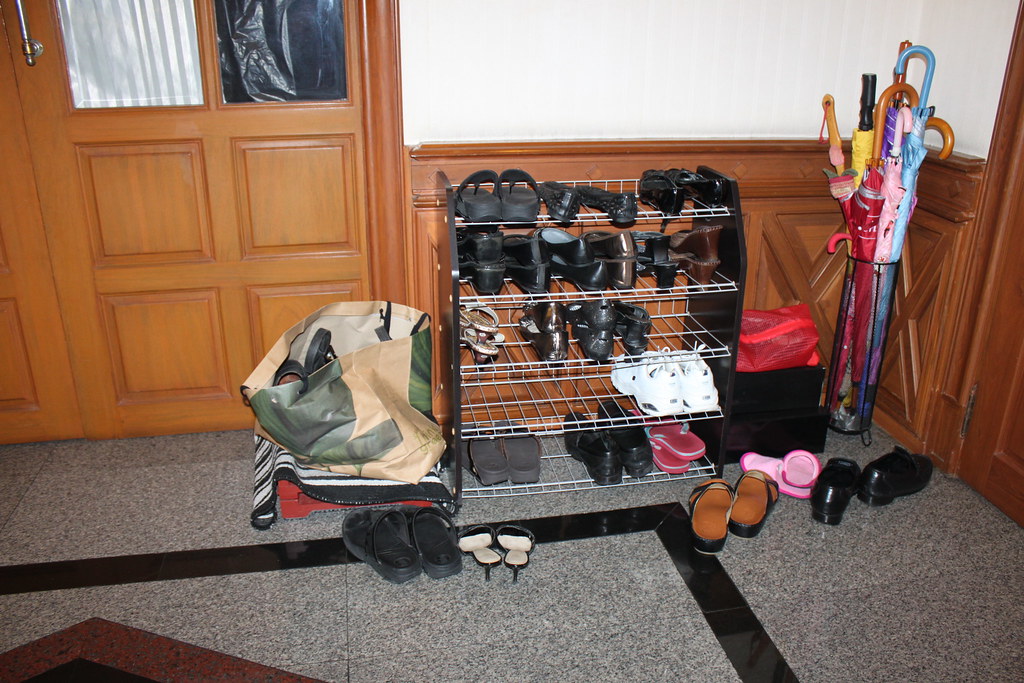
A small entryway can become crowded faster than almost any other spot in the home. Shoes arrive wet, dusty, rushed, mismatched, and in different sizes. If the storage plan is vague, the floor becomes the plan by default.
Storage ideas for shoes in a small entryway should protect the doorway first. The goal is not to store every pair near the entrance. The goal is to keep the daily pairs easy to reach while moving the rest somewhere more realistic.
I like to start with the door swing and walking path. If the door cannot open freely, or if people have to step over shoes to enter, the storage system is already asking too much from a narrow space.
Limit the entryway to the shoes used this week
The first storage decision is a limit, not a product. A small entryway should usually hold the shoes that are actively being used this week: work shoes, school shoes, walking shoes, house shoes, or weather-specific pairs. Extra sandals, formal shoes, sports shoes, and off-season boots can live somewhere else.
This limit matters because shoe storage expands quietly. One pair becomes three pairs per person, then the rack fills, then the floor fills, then the entryway stops feeling like an entrance. A clear limit keeps the area from turning into a closet without doors.
Choose a number that fits the space. It might be two pairs per person, one pair per child, or only the shoes worn daily. The exact number matters less than the habit of removing pairs that no longer belong there.
If a pair has not been worn in a week, it probably should not claim the easiest spot by the door. That simple rule keeps the entryway focused on leaving and arriving, not storing an entire shoe collection.
This rule is especially helpful in shared homes because it makes cleanup less personal. The entryway is not judging who owns too many shoes. It is simply holding the pairs that support the current week and sending the rest back to longer-term storage.
Measure the floor before buying a shoe rack
A shoe rack that looks compact online can still block a small entryway. Measure the floor area after accounting for the door swing, walkway, baseboards, vents, and any nearby closet door. The rack should fit the path people actually use, not just the empty space you see when the entryway is staged.
Depth is often the problem. A wide but shallow rack can work better than a deep rack that pushes shoes into the walkway. If the entryway is very narrow, a low tray, slim open shelf, or wall-mounted option may be safer than a bulky cabinet.
Think about shoe height too. Tall boots need different storage than flats or sneakers. Children’s shoes may fit in small cubbies, but adult shoes may hang over the edge. A rack that cannot hold the real shoes will create floor piles around it. Small-space organization works better when storage ideas for small homes keeps storage useful without making the room feel crowded.
Also check how people stand while taking shoes off. If the rack sits exactly where someone needs to balance, the system will feel awkward even if it technically fits. The best rack leaves room for a foot, a bag, and a quick turn toward the door.
| Entryway issue | Better shoe storage choice |
|---|---|
| Narrow walkway | Shallow rack or slim tray |
| Wet shoes | Rubber boot tray near the door |
| Kids’ shoes | Low open basket or cubby |
| Many daily pairs | Two-tier rack with a strict limit |
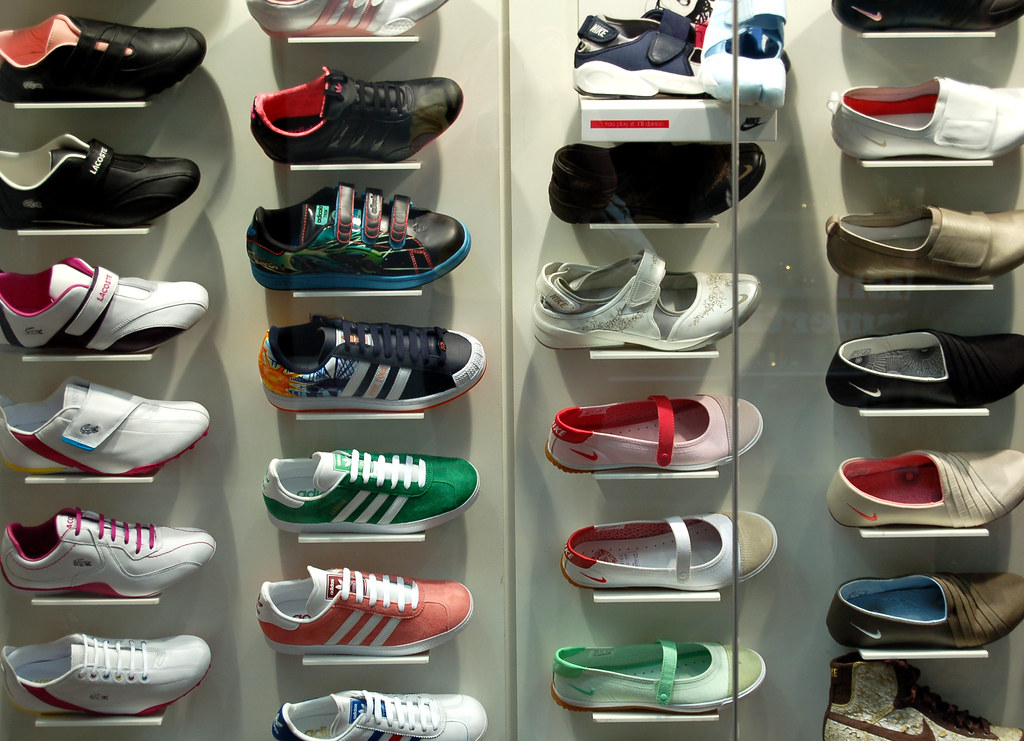
Use trays for wet, muddy, or daily shoes
A tray is one of the simplest shoe storage tools because it creates a boundary. Shoes inside the tray belong in the entryway. Shoes outside the tray need to be put away or cleaned up. This is especially useful for rainy days, winter boots, gardening shoes, or shoes that carry outdoor dirt.
Choose a tray that is easy to wipe and large enough for the pairs you actually use. A tiny tray looks neat when empty but fails on a normal day. A tray that is too large can take over the entry. The best size leaves the door path clear while catching the mess that would otherwise spread across the floor. Small-space organization works better when storage ideas for small closets keeps storage useful without making the room feel crowded.
Trays also help renters because they do not require drilling, assembly, or permanent furniture. Put one under a bench, beside the door, or inside a closet if the entrance opens directly into a living room. The tray can be moved when cleaning, which makes the reset easier.
- Use rubber or plastic for wet shoes.
- Use a shallow lip so shoes are easy to step into.
- Keep only current weather shoes on the tray.
- Wipe the tray before dirt becomes part of the room.
- Move dry occasional shoes to a closet or bedroom.
Choose open storage when the habit needs to be fast
Closed cabinets look calm, but they are not always the best choice for a busy entryway. If people arrive with bags, groceries, pets, children, or wet coats, a door or drawer can become one more step they skip. Open storage works when speed matters and the shoe count is controlled.
Open racks, cubbies, and baskets make it obvious where shoes belong. They also let shoes dry better than a tightly closed cabinet. The tradeoff is visual clutter, so the number of pairs has to stay limited. Open storage is honest: if there are too many shoes, everyone can see it.
A basket can work for children’s shoes or slippers, but it is less helpful for adult shoes that need to stay paired and easy to find. Cubbies work well when each person has one space. Shelves work well when shoes are similar in height and people can return them without rearranging the whole rack.
The best entry storage is the one people can use with tired hands. If the system requires perfect placement, it may not survive a normal evening.
Add vertical storage only where it stays reachable
Vertical storage can help when floor space is limited, but it needs to stay practical. Wall shelves, narrow cubbies, over-door pockets, or stacked racks can move shoes upward. Use these spots for lightweight, dry, or less-used pairs, not muddy boots that need to drip or heavy shoes that are awkward to lift.
Keep the daily shoes at comfortable height. If the most-used pair sits above shoulder level, the system will probably fail. Higher shelves are better for occasional shoes, guest slippers, seasonal pairs, or shoes that are already clean and dry.
Vertical storage also needs visual restraint. A wall full of shoes can make a tiny entry feel busier, even if the floor is clear. Use it in a closet, behind a door, or on one narrow wall rather than covering every visible surface.
If you use shelves, group shoes by person, season, or frequency instead of mixing every pair together. Daily shoes should be easiest to grab. Guest slippers, dress shoes, and occasional pairs can sit higher or farther back. That keeps vertical storage from becoming another search problem.
Small entryway shoe storage should make the path clearer, not simply move clutter higher.
Pair a bench with hidden storage only if it fits the path
A bench can be helpful because it gives people a place to sit while putting on shoes. In a small entryway, though, the bench has to earn the space. If it blocks the door, catches random bags, or becomes another surface for piles, it may make the problem larger.
Choose a narrow bench with room underneath for a tray, baskets, or one row of shoes. A bench with a lid can hide shoes, but it may be annoying if people have to lift the seat every time. Open space below the bench is often easier for daily pairs.
If there is no room for a bench, do not force one. A wall hook, tray, and slim rack may work better. Seating is useful only when the entryway can still function as a walkway. In very tight spaces, a small stool that tucks away can be more practical than a permanent bench.
Watch what happens after a week. If the bench top collects mail, backpacks, and returns, the shoe storage may not be the real issue. The entryway may also need a small tray, hook, or outgoing-items basket.
Reset the entryway before the shoe pile spreads
Shoe storage in a small entryway needs a reset habit because shoes change with weather, schedules, and family routines. A system that works in dry weather may struggle after rain. A school week may create more shoes than a quiet weekend. The reset keeps the entry from becoming a permanent overflow area.
Use a short routine once or twice a week:
- Remove shoes that were not worn this week.
- Pair loose shoes and return extras to closets.
- Wipe or shake out the tray.
- Move wet shoes to a drying spot if needed.
- Check that the door opens fully.
- Leave one empty spot for the next arriving pair.
Watch for the clues that the reset is overdue:
- The door bumps a shoe when it opens.
- People leave shoes beside the rack instead of on it.
- The tray is full of dry shoes that no longer need to be there.
- Pairs are separated across the floor.
- The entryway has no empty spot for the next arrival.
A small entryway does not need a complicated storage system. It needs a clear limit, a rack or tray that fits the walkway, and a habit that moves extra shoes out before the floor takes over. When the path stays open, the whole home feels easier to enter.