How to Label Storage Containers the Right Way
Published Updated

I bring a warm, detail-oriented eye to home routines, decluttering ideas, and everyday ways to make a space feel easier to live in.
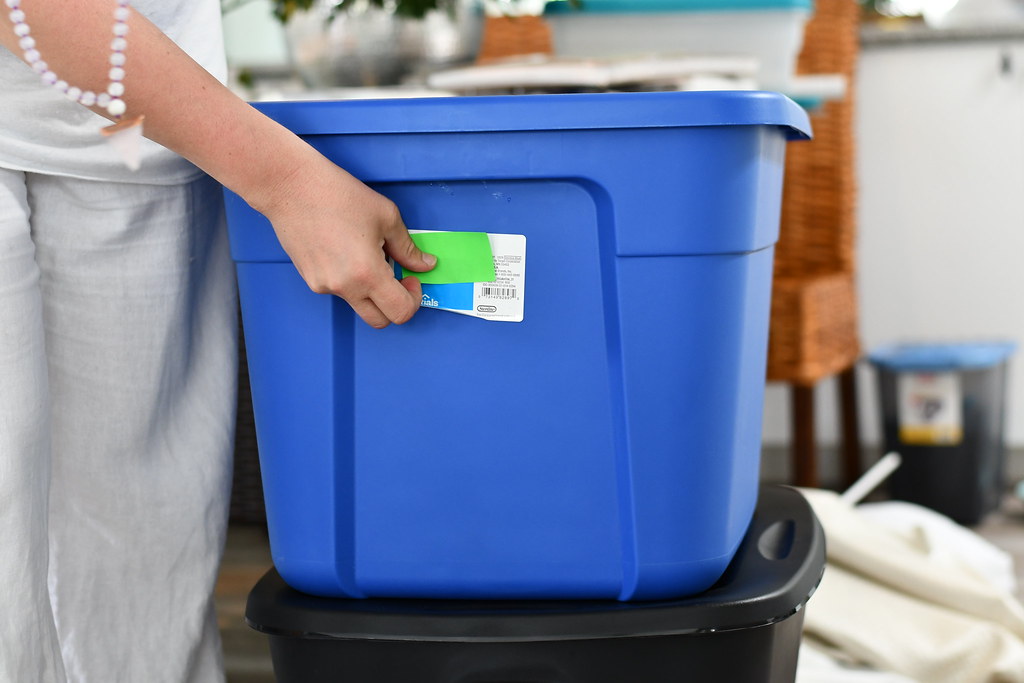
Storage containers only help when people can tell what is inside them. A neat row of bins can still become frustrating if every label says “miscellaneous,” “extra stuff,” or nothing at all. The label is what turns a closed container from a guess into a useful storage tool.
Learning how to label storage containers is less about making labels look pretty and more about making them answer the right question quickly. A good label tells you what is inside, where it belongs, when it should be reviewed, or who uses it. The right system saves time because you stop opening three bins to find one item.
The best storage label is the one your household understands without needing a tour.
Label for finding, not for decorating
A label should help someone make a decision fast. If the wording is cute but unclear, the container may still fail. “Winter gear” is more useful than “cozy things.” “Gift wrap and ribbon” is more useful than “party.” Clear beats clever when the bin is on a high shelf, under a bed, or stacked behind other containers.
Before writing anything, ask what a person will be trying to find later. They may need batteries, extension cords, school papers, holiday lights, extra bedding, pet supplies, or craft tools. The label should match that real search. It can still look tidy, but its first job is accuracy.
This is especially important in shared spaces. A label that makes sense only to one person becomes a private code. If other people use the closet, pantry, garage, or laundry area, write labels in plain household language.
Choose names that are specific but not too narrow
A good storage label lands between vague and overly detailed. “Decor” is too broad if the box contains only fall candles and small pumpkins. “Three orange pumpkins, two candle holders, and one leaf garland” is too narrow because the contents may change. “Fall decor” gives enough direction without becoming fragile.
Think in categories that can survive normal use. “Printer paper and ink” works better than “office supplies” if the bin is only for printing. “Kids art paper” works better than “crafts” if glue, paint, and scissors live somewhere else. The label should prevent mixing, not invite every stray item into the same container.
- Use “holiday lights” instead of “holiday stuff.”
- Use “guest bedding” instead of “linens” when towels live elsewhere.
- Use “charging cords” instead of “electronics” for a small cable bin.
- Use “bike helmets” instead of “sports” when the container has one purpose.
- Use “tax records 2026” instead of “papers” for documents.
Put the label where people actually look
Label placement matters as much as the words. A label on the lid is helpful when bins sit in a drawer or under a bed. A label on the front is better when bins sit on shelves. If containers are stacked, both the front and top may need labels so the bin stays readable from more than one angle.
Stand where the container will live and look at it from the normal viewing position. If you have to bend, lift, turn, or pull the bin out to read the label, the placement is probably wrong. Storage works better when the label faces the person before the container moves.
For clear bins, do not rely only on visibility. Contents shift, small items hide behind larger ones, and similar categories can look alike from the outside. A clear container still benefits from a label that confirms what belongs there.
Match label materials to the container
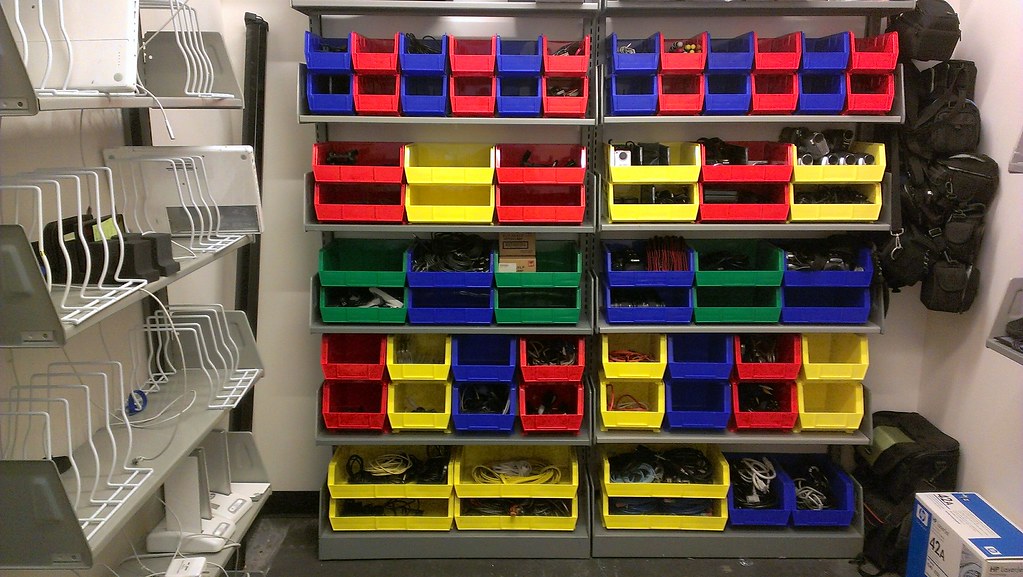
The right label material depends on where the container lives and how often it changes. Painter’s tape can work for temporary sorting. Adhesive labels can work for stable categories. Hanging tags can work on baskets. Clip-on labels can work on fabric bins. Waterproof labels may be better in garages, basements, laundry rooms, or cleaning closets.
Do not make every label permanent too soon. If you are still testing a storage system, use removable labels first. A temporary label gives the household permission to adjust categories without feeling like the first version must stay forever. For holiday bins, include the event and the contents rather than a number alone; the holiday decor storage guide describes grouping fragile ornaments separately from larger pieces.
Durability matters when hands are dusty, bins are moved often, or containers live where moisture changes. A label that peels off after two weeks creates the same problem as no label at all.
Add dates when time matters
Some containers need more than a category. Seasonal items, documents, pantry backstock, kids clothing, batteries, medicines, warranties, and project supplies may need a date. A simple year, season, or review month can keep storage from becoming a place where old items disappear.
Dates are useful when items expire, age out, or need a future decision. “Baby clothes 6-12 months” is clearer than “baby.” “Tax records 2025” is clearer than “documents.” “Holiday lights checked 2026” tells you the box was reviewed, not just packed away.
A household review date does not replace a product's expiry date, safety warnings, medication instructions, or legally required document retention period. Keep those original details intact. The review date does not need to be complicated. A small “review in March” note can be enough for pantry overflow, craft projects, or stored paperwork. The point is to make time visible so the container does not quietly turn into permanent storage for things nobody still uses.
If a container has not been opened in years, the label should help you decide whether it still deserves space.
Create a small set of household label rules
Labels work better when they follow a few repeatable rules. Without rules, one person writes categories, another writes room names, and someone else writes whatever was on top of the pile. The system becomes hard to scan because every label answers a different question.
Pick one main style for the house. You might label by category, room, person, season, or project. More than one style can exist, but each storage zone should have a dominant rule. A garage shelf might use categories. A kids closet might use sizes. A paperwork box might use years.
- Choose the storage zone before naming labels.
- Decide whether labels should name a category, room, person, season, or date.
- Write labels in plain words that someone else would use.
- Place each label where it is visible in storage.
- Review the label after two weeks of normal use.
Avoid labels that become junk magnets
Some labels accidentally invite clutter. “Miscellaneous,” “random,” “extras,” “later,” and “to sort” can be useful during an active project, but they should not become permanent storage categories. Those words allow unrelated items to collect in the same container until nobody knows what belongs there.
If you need a temporary holding bin, label it with a deadline or action. “Donate this month,” “return to rooms,” or “sort Sunday” is better than “later.” The label should make the next step visible, not hide the decision.
- Avoid “miscellaneous” as a permanent label.
- Do not mix sentimental items with practical supplies.
- Keep paperwork labels separate from household item labels.
- Use “review” dates for bins that collect uncertain items.
- Rename a bin when the contents change enough to confuse people.
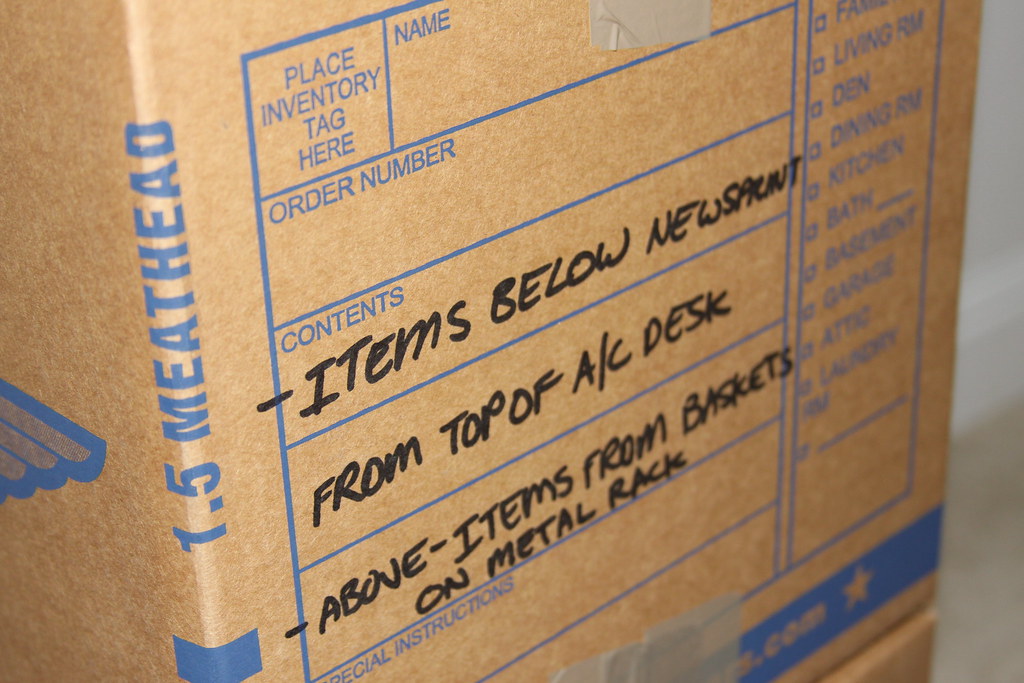
Update labels when real life changes the system
A storage system is allowed to change. The problem is when the contents change and the labels do not. If a bin labeled “winter hats” starts holding gloves, scarves, and hand warmers too, the label needs to become “winter accessories” or the extras need a different home.
Review labels during seasonal resets, moves, deep cleaning, or when a container starts overflowing. You do not need a full organizing project every time. Sometimes the fix is only removing two items, splitting one category, or replacing one label with a better name.

Keep this guide handy
An illustrated summary made for JundHaus. Read the guide above for the details and cautions.
Save to Pinterest (opens in a new tab)