Closet Storage Ideas for Small Bedrooms
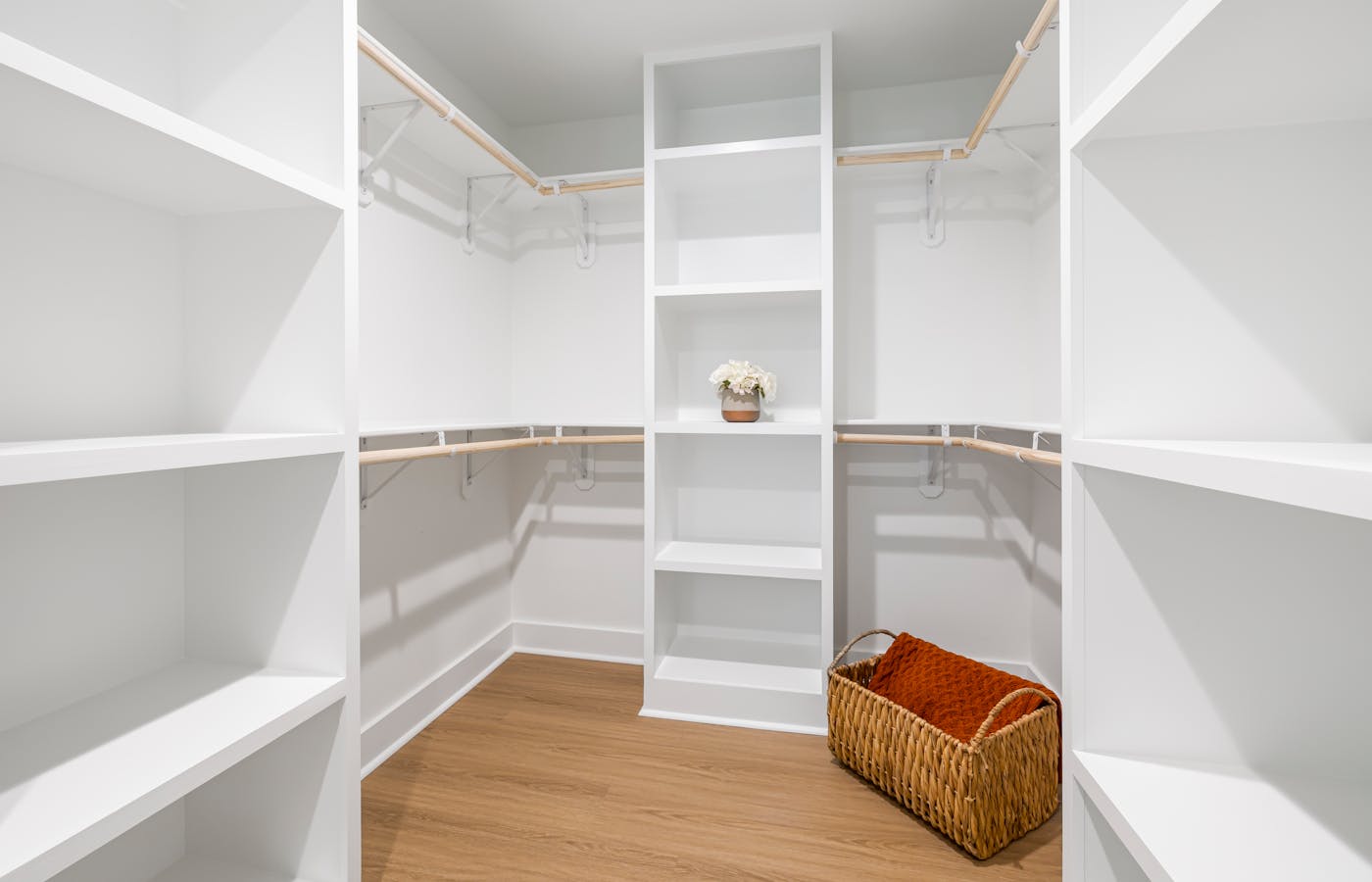
A small bedroom closet has to work harder than a large walk-in closet because every inch competes with shoes, folded clothes, hanging clothes, bedding, bags, and seasonal items. When the closet is not planned, the bedroom often becomes the overflow zone.
Good closet storage ideas for small bedrooms start with a simple question: what needs to be reached every week, and what only needs a safe place to wait? Once that split is clear, shelves, rods, bins, and under-bed drawers become easier to choose.
This is not about building a perfect closet. The useful target is a closet that opens without stress and gives each daily item a predictable home.
Before buying anything, notice where the closet breaks down now. Maybe shoes pile near the door, sweaters slide off a shelf, or extra bedding takes the best hanging space. Naming the real friction first keeps the storage plan practical.
Start by separating daily clothes from storage clothes
The first mistake in a small bedroom closet is treating every item as equally important. Work clothes, pajamas, favorite sweaters, and shoes used every week deserve the easiest spots. Off-season clothing, backup linens, occasional bags, and rarely worn formal pieces can move higher, lower, farther back, or under the bed.
Take everything out only if you have enough time to finish the reset. If not, work one section at a time: hanging clothes first, then shelves, then floor space. Keep a donation bag nearby, but do not turn the project into a full decluttering marathon unless that is your actual goal.
This first sort gives the closet a map. Daily items stay in the center zone, occasional items move to the edges, and storage items stop interrupting the routine.
If two categories are competing for the same easy spot, choose the one you touch more often. A small closet becomes calmer when convenience is based on real use, not on where an item happened to land last time.
Use the closet floor for fewer, larger categories
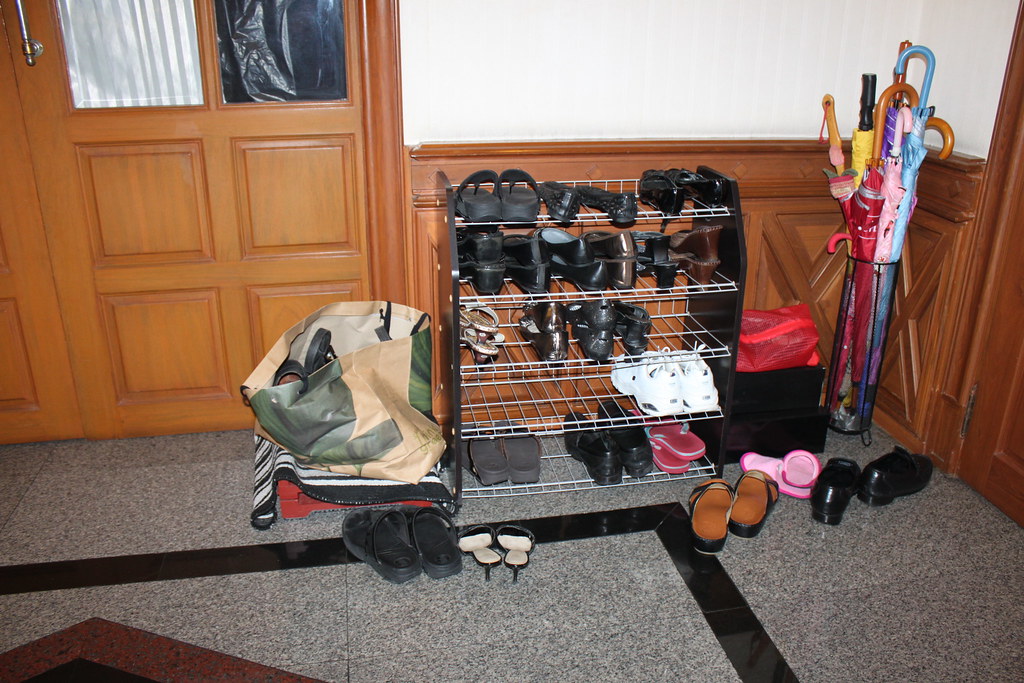
The closet floor gets messy quickly because it is easy to toss things there. Shoes, laundry bags, storage cubes, gift wrap, and stray boxes can all collapse into one crowded layer. Instead of filling the floor with many tiny containers, use it for fewer categories that are easy to pull out.
A low shoe rack, one lidded bin, or one open basket often works better than five mismatched boxes. The floor should still leave room for your hand, foot, or vacuum to reach the back. If you cannot move a container without knocking over three things, it is probably too crowded.
Choose the floor category by weight and frequency. Shoes worn weekly can stay low because they are easy to grab. A heavy bedding bin can also stay low because lifting it from a shelf would be awkward. Tiny accessories usually do worse on the floor because they disappear behind larger items.
Floor storage should slide, lift, or roll out easily. If it fights you every morning, it will not stay organized.
Turn high shelves into labeled storage zones
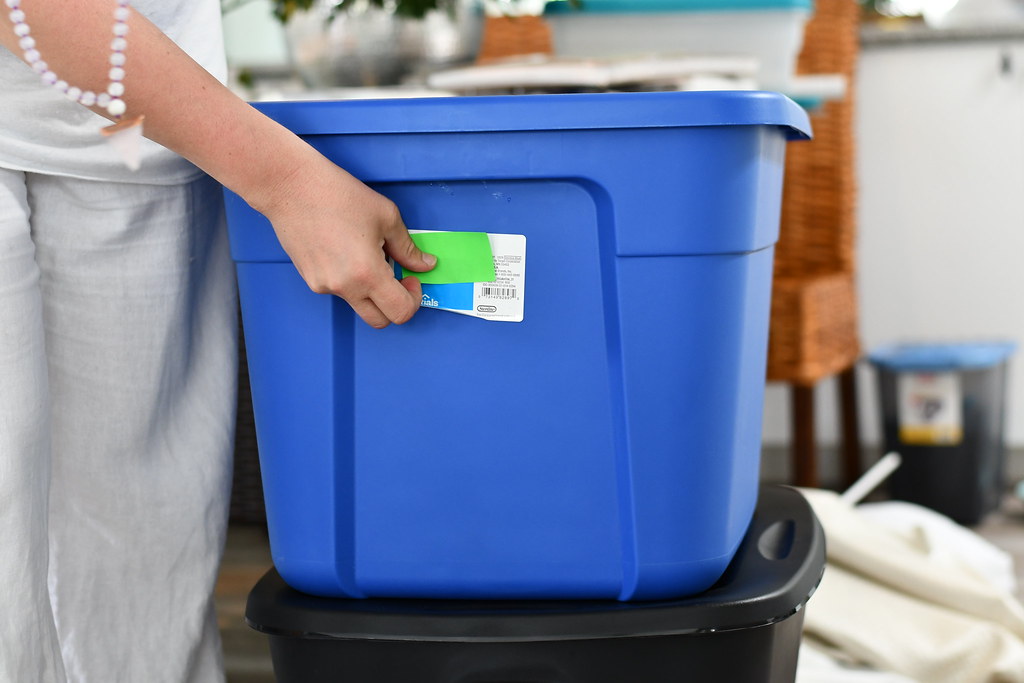
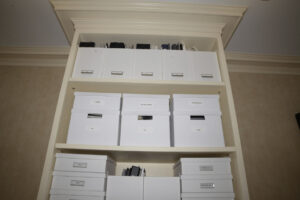
High shelves are useful, but they can become mystery storage if items are loose. Use labeled bins for categories that make sense at a glance: winter accessories, extra bedding, travel items, keepsakes, or off-season shoes. The label should describe the contents, not the room it came from.
Choose bins that fit the shelf depth without hanging over the edge. Clear bins help when you want visibility, while fabric bins can make an open closet look calmer. For heavy items, avoid high shelves because lifting them down can be awkward and unsafe.
Leave a little breathing room above each bin so it can slide out without scraping. A shelf that looks full but cannot be used is not really storage; it is just packed space. Bedroom bins are easier to label and rotate when storage-bin keeps the container system simple.
Make hanging space match the clothes you actually wear
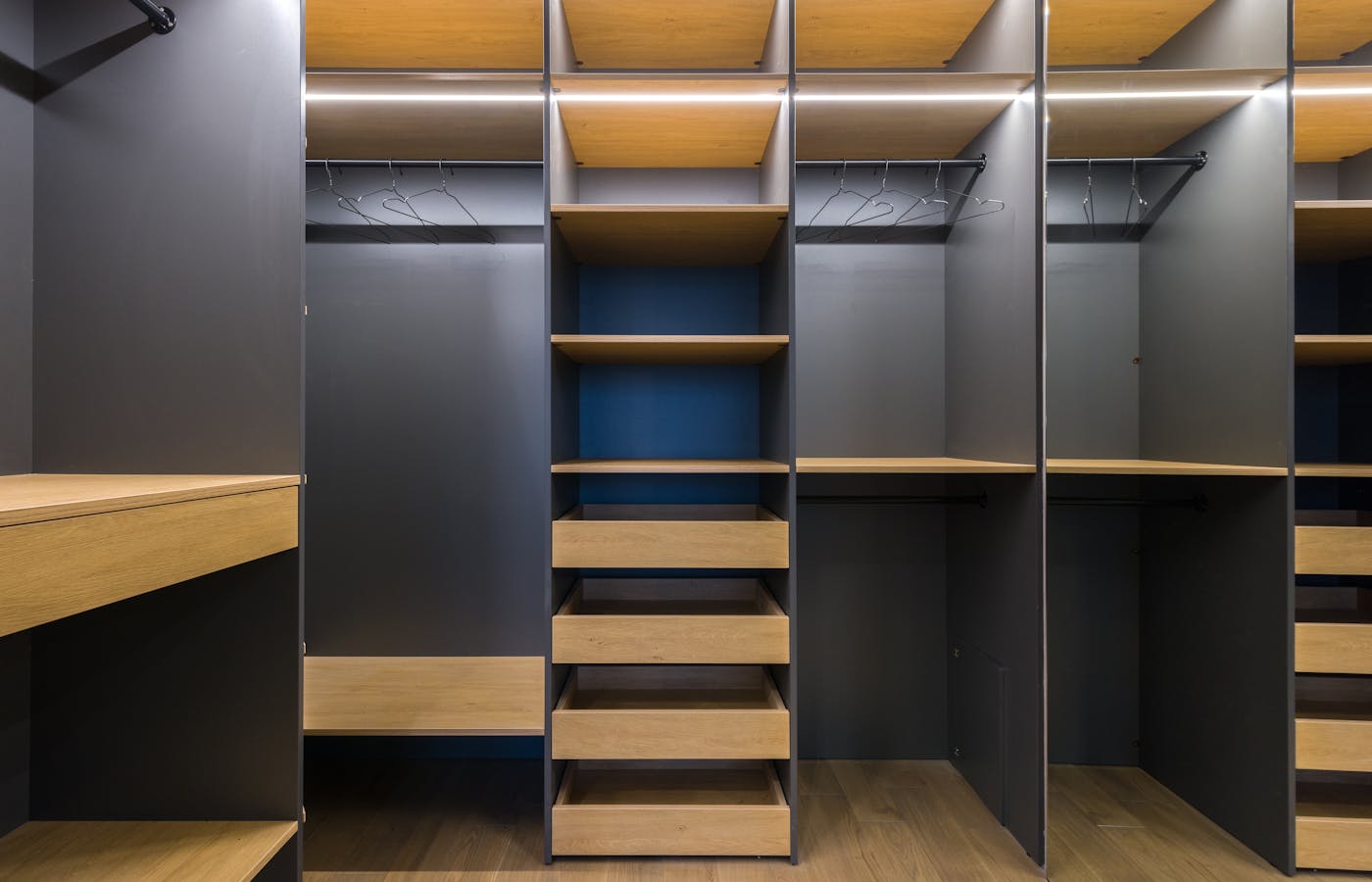
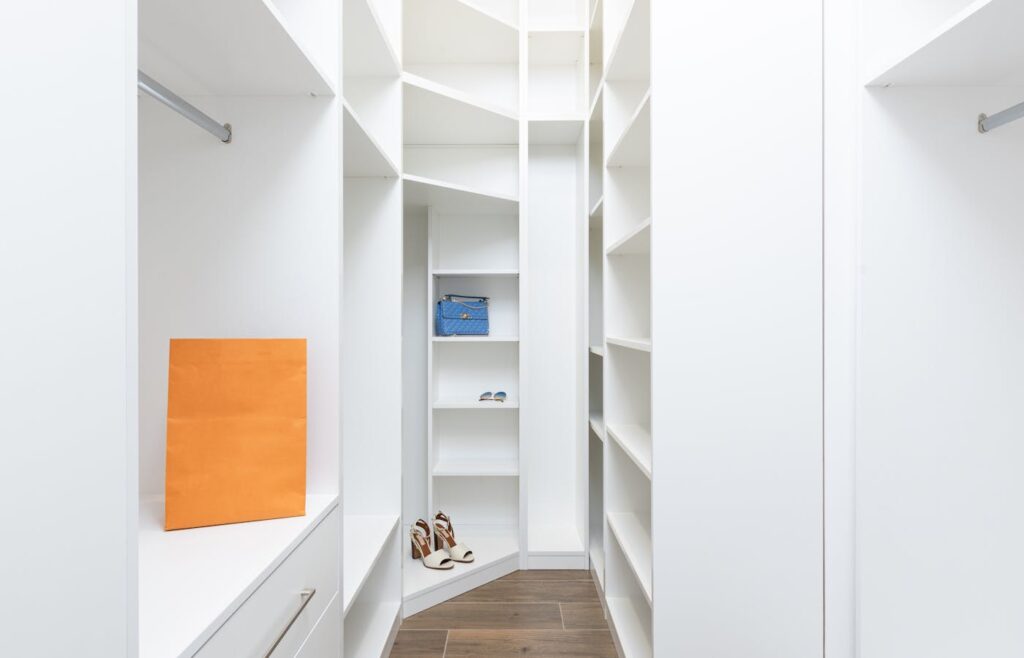
Hanging space is valuable in a small bedroom closet, so it should not be filled with clothes that could fold easily. Dresses, jackets, button-down shirts, and wrinkle-prone pieces usually deserve hangers. Thick sweaters, workout clothes, T-shirts, and casual pants often work better folded on shelves or in drawers.
If the closet has one tall hanging rod, consider whether a second lower rod would help with shorter clothes. Doubling short hanging space can free shelves for bins and stop hangers from being packed so tightly that clothes are hard to see.
Count hangers before buying another organizer. If half the rod is filled with clothes you skip every week, a second rod will only duplicate the pressure. Remove the unused pieces first, then decide whether the remaining clothes need more hanging space or better folding space. In small bedrooms, vertical storage in small spaces works best above eye level, where it adds capacity without crowding the daily reach zone.
Use matching slim hangers if the closet is crowded, but do not buy organizers before removing clothes that no longer fit your real routine. More hardware cannot fix a closet that is holding too many maybes.
Add shelf dividers only where stacks keep falling
Shelf dividers are helpful when folded stacks lean into each other, but they are not needed everywhere. Use them for sweaters, jeans, towels, or purses that need side support. Leave other shelves open if bins or folded stacks already behave well.
The easiest test is to remove one item from the middle of a stack. If the pile collapses, add a divider or lower the stack height. If the pile stays neat, do not complicate it. Small closets work best when every organizer solves a specific problem.
Keep shelf categories narrow enough to remember. One shelf for “daily sweaters” is better than one shelf for every soft item in the bedroom.
The best small closet organizer is the one that removes a repeated frustration.
Move bulky backup items under the bed
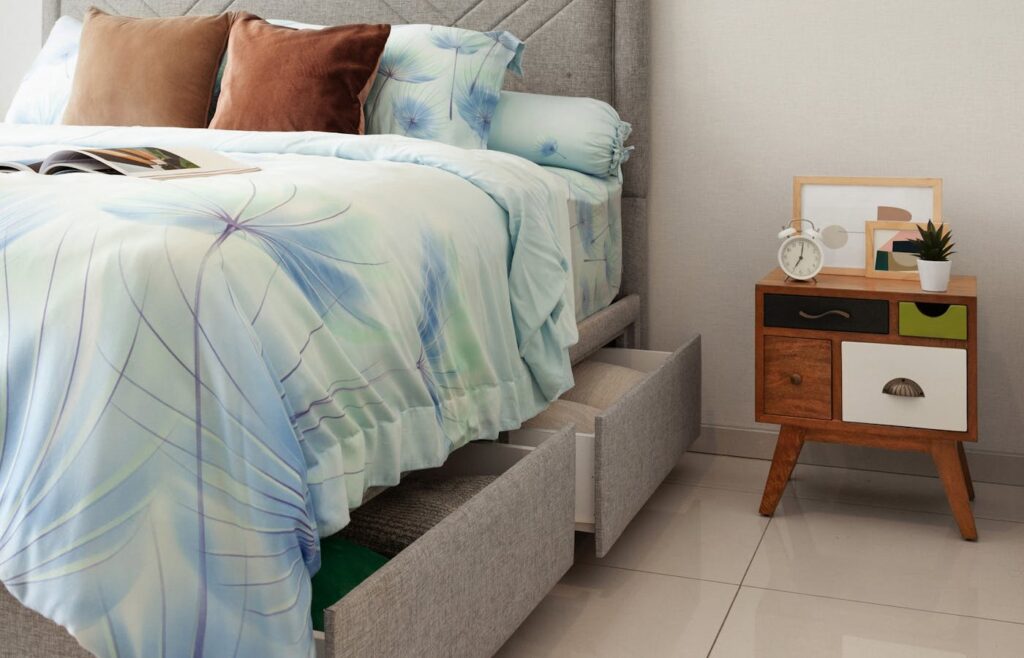
Small-bedroom storage should use the room, not just the closet. If the closet is holding bulky backup items, under-bed drawers can take pressure off shelves and rods. This works well for seasonal bedding, extra blankets, off-season clothes, or shoes that are not part of the weekly routine.
Use shallow drawers, zip bags, or rolling bins that fit the bed clearance. Avoid stuffing loose items under the bed, because they gather dust and become hard to remember. A labeled container keeps the storage intentional and makes it easier to rotate items when seasons change.
Do not move daily items under the bed unless you truly like bending down for them. Under-bed storage is best for things you need occasionally, not every morning.
Keep a simple reset routine for the closet
Even a well-planned closet needs a small reset habit. Once a week, return empty hangers to one side, put shoes back in pairs, refold the shelf that gets messy fastest, and remove anything that landed in the closet by accident. This takes minutes when the storage zones are clear.
If the same category keeps overflowing, treat that as information. Maybe the bin is too small, the category is too broad, or the item belongs somewhere else. A closet that needs constant forcing is not failing because you are messy; it is usually asking for a simpler system.
- Keep weekly clothes in the easiest center zone.
- Use high shelves for labeled occasional storage.
- Choose floor containers that pull out cleanly.
- Move bulky seasonal items under the bed.
- Reset the busiest shelf once a week.
- Sort daily, occasional, and storage items.
- Assign the easiest closet space to daily items.
- Add only the organizers that solve a visible problem.
- Label bins before returning them to high shelves.
- Review the closet after one normal week.
Closet storage ideas for small bedrooms work best when they protect daily movement. Give the most reachable space to the clothes you actually use, move bulky extras out of the way, and keep the system simple enough to reset before it turns into another project.