How to Store Seasonal Clothing Without a Spare Closet
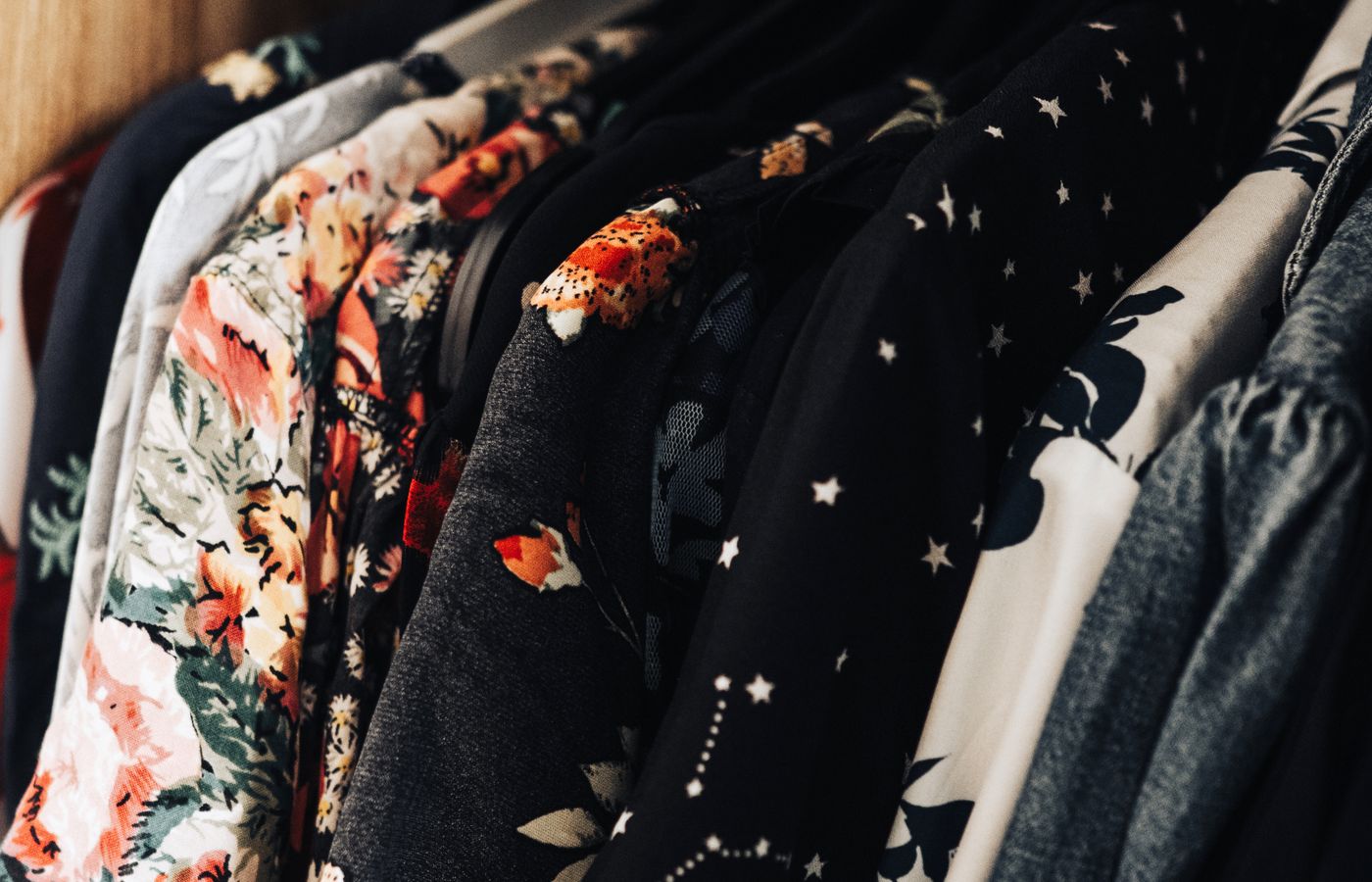
The first cold morning or warm weekend often exposes the same problem: half the wardrobe belongs to a different season. Coats, sweaters, swimwear, boots, scarves, and extra layers all need a place to rest, but they should not make everyday drawers harder to use.
Learning how to store seasonal clothing without a spare closet is mostly about editing, grouping, and choosing storage spots that match the way you actually rotate clothes. The best system keeps off-season items protected without hiding them so well that they are forgotten.
A practical setup should answer three questions: which clothes are worth storing, which containers protect them, and where they can live without stealing space from daily routines.
Sort seasonal clothing before choosing storage containers
Do not start by buying bins. Start by pulling seasonal clothing into one area and sorting it by what will actually be worn again. Clothes that no longer fit, feel uncomfortable, need repair, or belong to a season you rarely dress for should not automatically earn storage space.
Make simple piles: keep, repair, donate, wash, and unsure. The unsure pile should stay small. If half the clothing lands there, storage becomes a delay tactic instead of a decision. Try each questionable item against your current routines, not an imagined future schedule.
Seasonal storage is easier when each item is clean and dry before it is packed away. Body oils, deodorant marks, food spots, and damp fabric can turn into odors or stains during storage. Wash, air-dry, mend buttons, and remove anything from pockets before the clothing disappears into a container.
A lean seasonal wardrobe is easier to rotate. Fewer stored items mean fewer bins, clearer labels, and less chance of forgetting what is already owned when the weather changes. If the pile still feels too large, choose a firm container limit before deciding what stays.
Store seasonal clothing by access frequency
Without a spare closet, storage spots need to earn their place. Under the bed, the top shelf of a main closet, a luggage set, a bench with storage, or a high cabinet can all work if the clothing does not need weekly access. The key is matching the location to how often the items come back out.
Outerwear that may be needed during a sudden cold week should stay easier to reach than holiday outfits or deep-winter base layers. Swimwear, heavy sweaters, and snow accessories can usually live farther away until their season returns.
Avoid creating a storage spot that blocks daily habits. If a bin must be moved every morning to reach shoes, laundry, or cleaning supplies, it is in the wrong place. Seasonal clothing should use low-traffic space, not the most active parts of the room. The home system works better when the routine is simple enough to repeat, and small-apartment organization ideas can support that habit in another part of the house.
| Storage spot | Best for | Watch out for |
|---|---|---|
| Under-bed bin | Sweaters, folded tops, scarves | Dust and overstuffing |
| Suitcase | Occasional travel clothes or coats | Forgetting what is inside |
| High shelf | Lightweight seasonal pieces | Hard-to-reach labels |
| Storage bench | Blankets, hats, gloves | Mixing clothing with clutter |
When a spot is chosen carefully, seasonal clothing feels stored, not stranded.
Use breathable protection for fabric that needs it
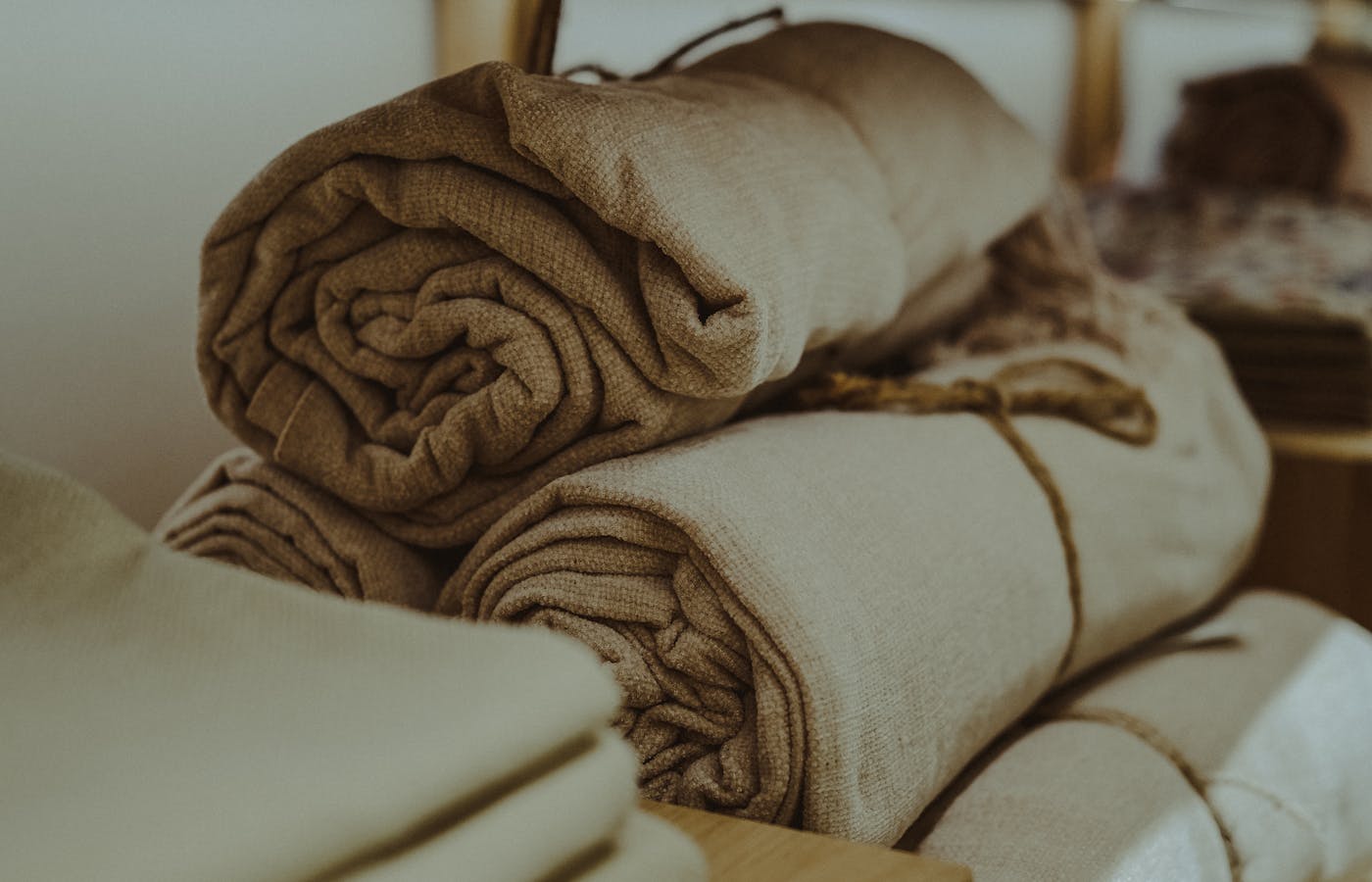
Not every clothing item needs the same container. Heavy sweaters, delicate knits, wool pieces, and special-occasion clothing need more care than cotton T-shirts or workout layers. Breathability matters because trapped moisture can create odors, especially in humid homes.
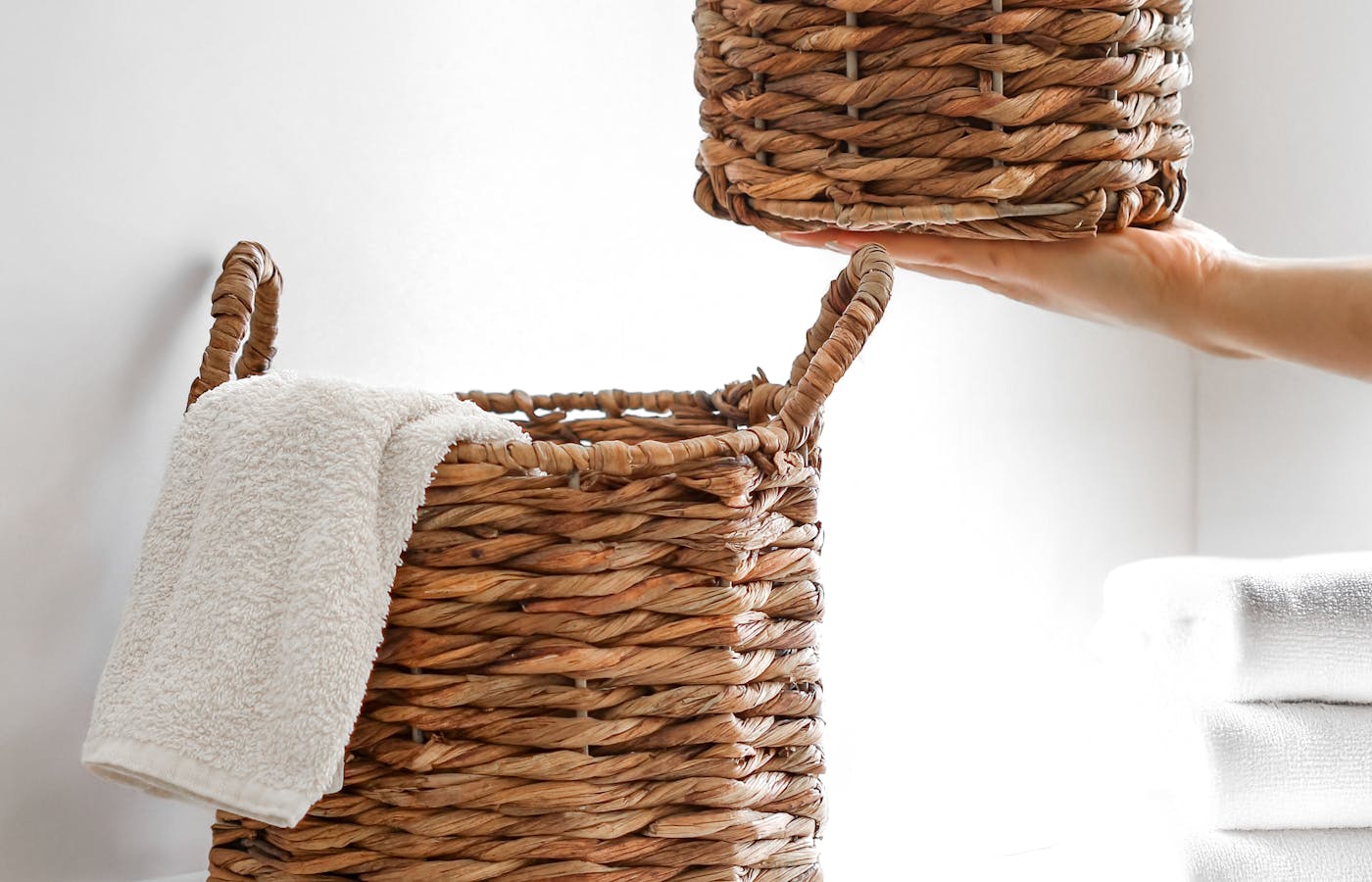
Fabric bags, cotton storage cubes, clean pillowcases, and loosely packed bins can protect clothing while allowing some air movement. Plastic bins can still be useful for dust control, but they should not be packed with damp clothes or sealed around items that need airflow. That same decision is easier to maintain when storage ideas for craft supplies in small spaces gives the storage step a clearer place in the room.

Fold knits instead of hanging them for months. Hanging heavy sweaters can stretch shoulders and change the shape. Coats and structured garments may do better on wide hangers inside a garment bag if there is room in the main closet.
Container choice should protect the clothing, not just hide it from view. The right container keeps the item ready for next season without adding extra repair work later. Before closing anything, add a cedar block, fabric-safe sachet, or simple freshness plan if your home tends to get musty.
Good fabric-protection habits include:
- Pack only fully dry clothing.
- Keep heavy knits folded, not stretched on thin hangers.
- Avoid crushing delicate fabric under coats or boots.
- Leave a little air space in bins when possible.
- Check stored clothing after the first few weeks in a humid room.
Store without a spare closet using narrow categories
Broad labels like clothes or winter can make storage harder because every future search requires opening the whole container. Use narrow categories that match how the clothing will return to daily life: winter sweaters, summer swim, guest coats, kids next size, or formalwear.
Good categories are small enough that one container can be emptied without creating a room-wide mess. If a bin has coats, sandals, scarves, and workout clothes together, the category is doing too much. Split by season, person, or use instead.
Helpful category rules include:
- Keep one person per container when wardrobes are very different.
- Separate bulky coats from folded clothes.
- Keep accessories with the season they support.
- Store repair items separately so they do not return unnoticed.
- Use the smallest container that fits without crushing fabric.
Narrow categories also prevent duplicate buying. When the label says summer shorts, it is easier to check what already exists before shopping for more. This is especially helpful for children’s clothes, guest layers, and seasonal basics that look similar from year to year. The label becomes a quick inventory check before anything new is bought.
Label the storage so future you can trust it
Labels matter most when storage is not visible. A clear label should name the season, clothing type, and owner if needed. Winter sweaters – Silas is more useful than bin 2. Labels should be readable from the direction the container is stored.
If the bin is under a bed, label the short side that faces outward. If the container is on a high shelf, label the front and avoid tiny handwriting. For suitcases used as clothing storage, add a removable tag so the contents are clear even when the suitcase is closed.
A seasonal clothing system only works if the label saves you from opening every container.
For households with many containers, add a small note inside the closet or dresser listing where off-season clothing lives. This does not need to be elaborate. A simple list of under-bed winter sweaters, suitcase beachwear, and high shelf coats can stop the annual search. Update the note whenever a container moves so the system stays trustworthy.
The best label is the one you can read before pulling the container out. That small detail matters when bins are under a bed, above eye level, or stacked behind daily clothing.
Build a simple seasonal clothing reset routine
Seasonal clothing storage should be revisited before the weather fully changes. Waiting until the first cold morning or hot weekend usually leads to rushed bins, wrinkled clothes, and forgotten repairs. A short reset keeps the system usable.
Use this routine:
- Pull out the next season before packing away the current one.
- Try on anything that may no longer fit or feel useful.
- Wash and fully dry items before storage.
- Repair buttons, hems, and loose seams before packing.
- Group clothing by person, season, and use.
- Label every container before it goes back into storage.
- Leave one small overflow zone for items in transition.
Keep one transitional layer available instead of packing every off-season item at once. Weather often changes unevenly, and a single sweater, jacket, or pair of shorts can prevent a full container from being reopened too soon. That small buffer keeps the whole rotation calmer.
Storing seasonal clothing without a spare closet is not about finding one perfect hidden space. It is about using several quiet spots well, protecting fabric, and making each container easy to understand when the next season arrives.