How to Choose Storage Containers by Room and Purpose
Storage containers are easy to buy and surprisingly easy to choose poorly. A bin that looks useful in the store can become awkward at home if it is too deep for the shelf, too opaque for daily items, too open for dusty storage, or too small for the things it is supposed to hold.
Learning how to choose storage containers by room and purpose keeps containers from becoming another layer of clutter. The right choice depends on what the room does, how often the items are used, whether the contents need protection, and how quickly someone needs to put things away again.
A good container should make a storage decision easier. If it hides the problem, blocks access, or invites unrelated items, the container is doing the wrong job.
Start with the room before choosing containers
Begin with the room, not the bin aisle. A kitchen, bathroom, bedroom, entryway, laundry area, closet, and garage all place different demands on storage. The same clear box that works for pantry packets may be wrong for damp cleaning cloths, bulky winter accessories, or tools with sharp edges.
Ask what the room needs to do on an ordinary day. In a kitchen, storage containers often need to support cooking speed, food visibility, and easy cleaning. In a bathroom, they may need to handle moisture, small products, and shared routines. In a bedroom, they may need to protect fabric and keep drawers calm. In an entryway, they should make leaving the house easier, not create another drop zone.
Room purpose also decides how flexible the container should be. A bin for holiday decor can be specific because it comes out rarely. A basket for daily mail or keys must be simple enough for rushed use. If a container needs several steps before an item can be put away, it may fail in a busy room.
Measure the shelf, drawer, cabinet, or floor area before choosing anything. A container that wastes two inches on every side can make a small storage zone feel crowded even when the contents are organized. The room tells you the limits before the container does.
Match container material to what you store
Material choice matters because every container protects in a different way. Clear plastic helps when people need to see contents quickly. Opaque plastic hides visual clutter and can work for backup supplies. Fabric bins soften open shelves but may not handle moisture well. Wire baskets allow airflow but can snag fabric or let small items slip through. Glass jars are useful for dry goods, but they are heavy and breakable.
Choose material by the item’s needs, not by style alone. Cleaning supplies need washable surfaces. Pantry food needs containers that are easy to wipe and seal if food freshness matters. Toys need edges that are safe for quick cleanup. Paperwork needs protection from dampness and bending. Linens need room to breathe and should not be crushed in sealed containers while still even slightly damp.
The material is part of the system, not a decorative afterthought. It decides whether the container is easy to clean, easy to carry, safe for the contents, and realistic for the room where it will live.
| Room or item | Useful container type | Why it helps |
|---|---|---|
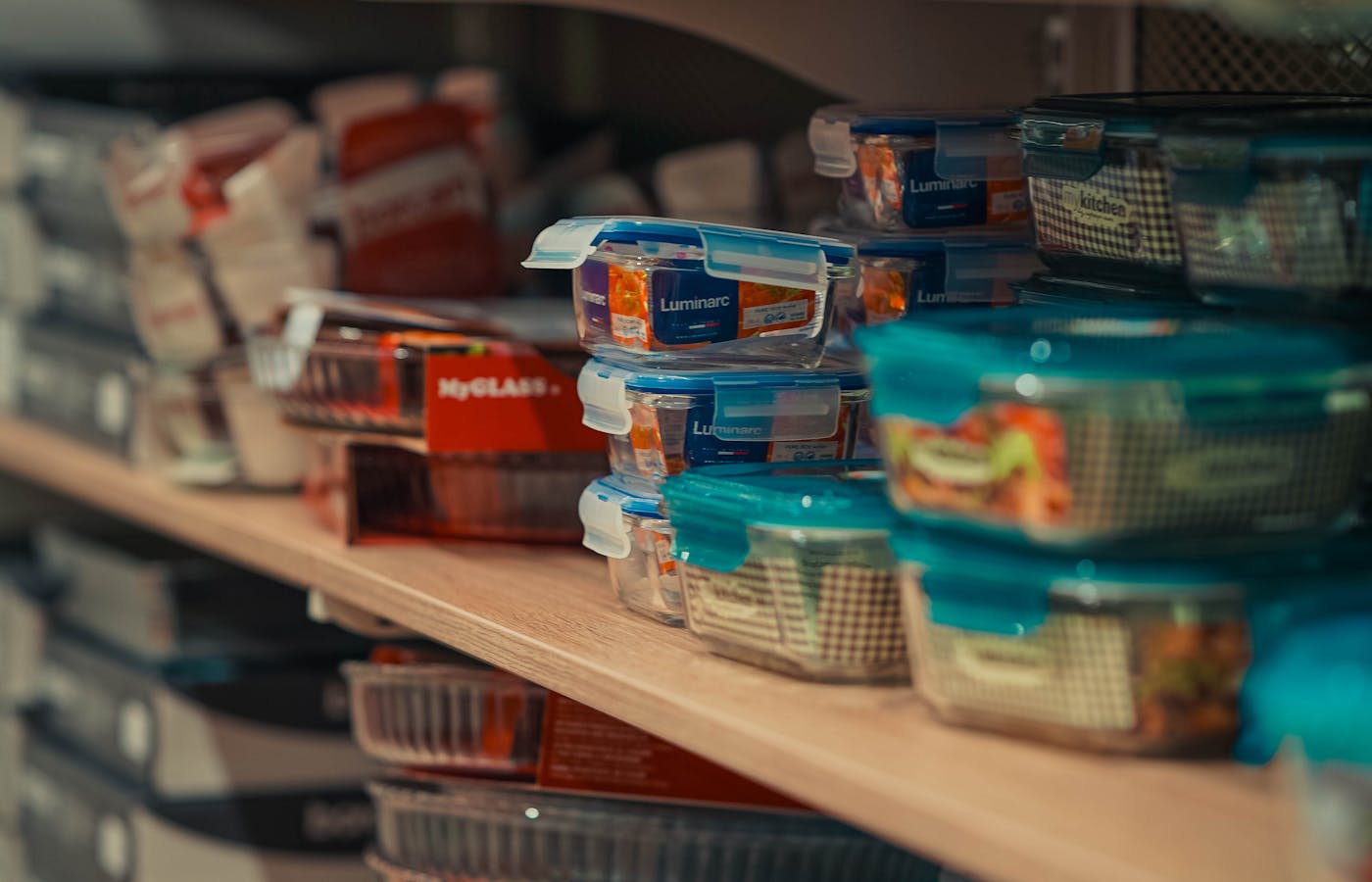
| Pantry packets | Clear bins or open-front containers | Contents stay visible during meal prep |
| Bathroom backups | Washable plastic bins | Moisture and spills are easier to handle |
| Bedroom linens | Fabric cubes or breathable bags | Fabric is protected without being crushed |
| Entryway accessories | Open baskets or trays | Daily items can be dropped in quickly |
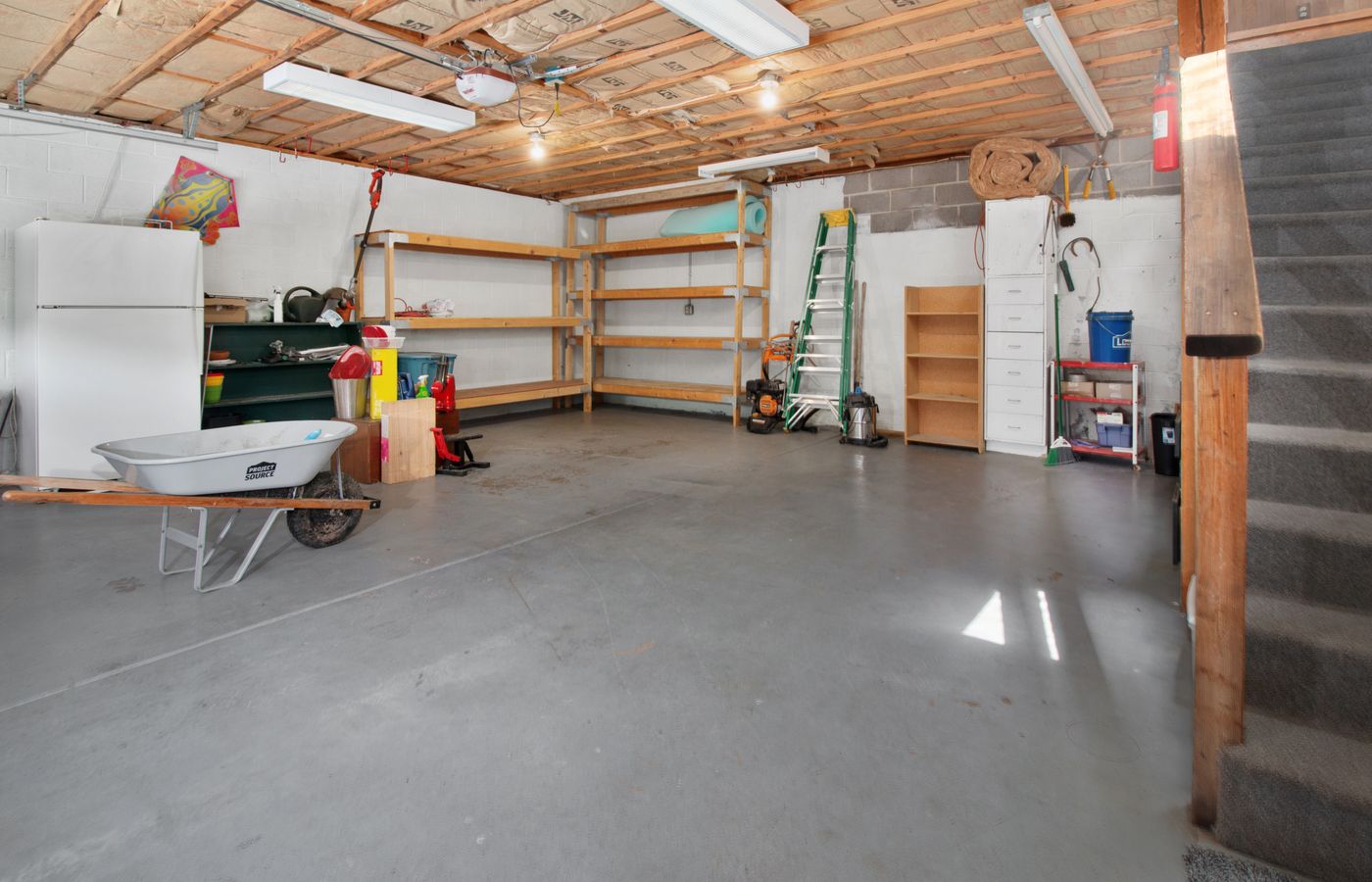
| Garage supplies | Sturdy lidded tubs | Dust and rough handling are less of a problem |
The material should reduce friction. If it makes the container harder to clean, lift, read, or use, it may only look organized while making the room less practical. This matters most on deep shelves: containers should support organizing deep shelves so nothing gets lost, not create another layer to dig through.
When lids, handles, and stacking make sense
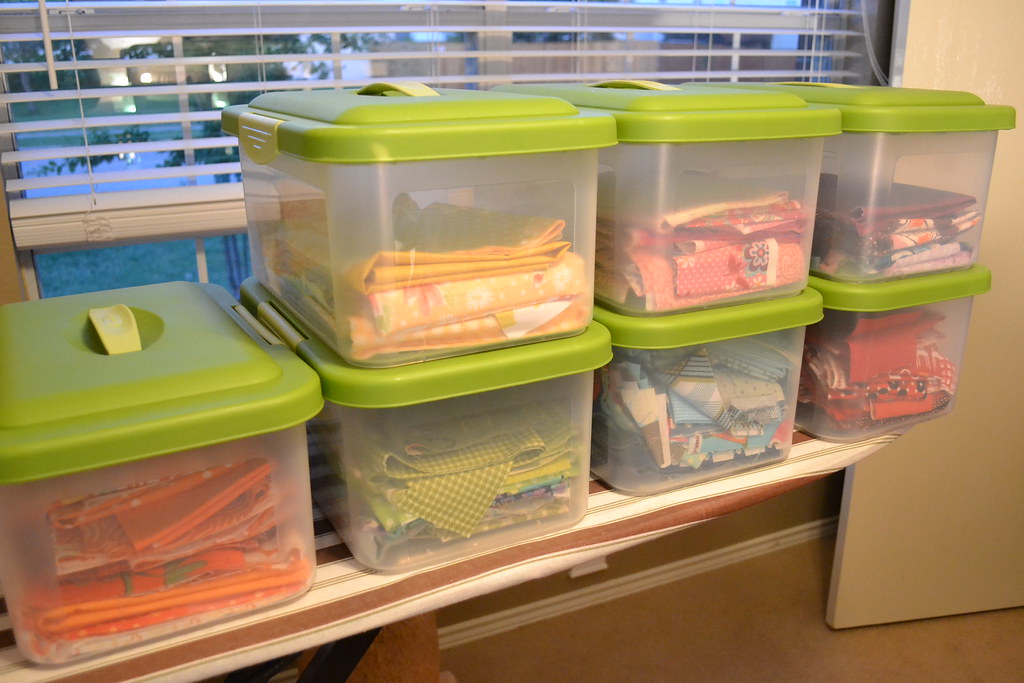
Lids are useful when items need dust protection, spill control, or long-term storage. They are less useful when the contents are touched every day. A lidded bin for daily snacks, hair tools, pet leashes, or school papers may slow the routine enough that items start landing beside the container instead of inside it.
Handles matter when containers are moved often. A high shelf bin, under-bed box, cleaning caddy, or garage tub should be easy to grip without tipping. A beautiful basket without a secure handle may be annoying if it holds heavy bottles, books, or tools. Test the container with the real weight in mind, not the empty display version.
Stacking should also be treated carefully. Stackable bins save vertical space, but they can make lower containers hard to access. If a container is used weekly, stacking three bins on top of it may create a future mess. Reserve stacked storage for categories that come out together or rarely, such as seasonal decor, archived paperwork, or off-season bedding. Small-space organization works better when toy storage ideas that make cleanup easier routine keeps storage useful without making the room feel crowded.
- Use lids for dust, pests, moisture, or long storage periods.
- Skip lids for fast daily drop zones.
- Choose handles for high, low, or heavy containers.
- Stack only when the lower bin does not need frequent access.
- Leave clearance so lids can open without scraping a shelf.
A container feature is only helpful when it supports the way the item is used. Extra features can make a simple storage problem feel more complicated than it needs to be.
Keep daily storage visible and clearly labeled
Visibility decides how much memory the storage system requires. Clear containers reduce guessing because the contents can be checked at a glance. They are useful in pantries, craft zones, laundry shelves, kids spaces, and closets where similar categories sit near each other. The tradeoff is that clear bins show mess more easily, so the contents still need a narrow category.
Opaque containers are better when visual calm matters or when the contents are not attractive. Backup toiletries, cables, seasonal accessories, and utility supplies can look cleaner behind a solid bin. In that case, labels become more important because the container no longer explains itself from the outside.
Labels should name the contents in plain language. Avoid labels like extra, random, household, or later unless the container is temporary. A useful label says batteries, winter hats, gift wrap, guest towels, dog grooming, pantry refills, or desk chargers. The wording should match the phrase someone would use while searching.
A container that hides everything needs a label that tells the truth quickly.
For shared rooms, place labels where people look first. A label on the lid works under a bed or inside a drawer. A label on the front works on shelves. If a bin is high, use larger text. If children use the container, a picture label or simple word may work better than a detailed category name.
Avoid container sizes that waste shelf space
Size is where many storage systems quietly break. A container that is too large collects unrelated items because there is open space to fill. A container that is too small creates overflow immediately. The right size holds the category with a little breathing room, but not so much empty space that the category becomes vague.
Measure width, depth, and height before buying. Include the space needed for handles, lids, and fingers. A bin that technically fits but cannot be pulled out easily will feel irritating every time it is used. In cabinets, watch for hinges, pipes, shelf lips, and door clearance. In closets, check whether the container blocks hanging clothes or shoes.
Think about container shape too. Tall bins can waste shallow shelves because items at the bottom disappear. Long low boxes can work under beds but may be awkward in a closet. Narrow bins can divide a deep drawer, while wide bins may be useful for blankets or bulky toys. The container should match the storage surface as much as the item.
Before buying multiples, test one container in the real space. Fill it with the real category, pull it out, put it back, read the label, and see whether the routine feels natural. Repeating a poor size across six bins only makes the mistake more expensive.
- Choose shallow bins for small items that need visibility.
- Use deeper tubs only for bulky categories.
- Leave enough room to grip the container.
- Avoid mixed categories just because a bin has extra space.
- Keep shelf height in mind before choosing tall lids.
Follow a simple routine before buying storage containers
Buying containers should come after sorting. If you buy first, you may end up with containers that fit an imagined version of the room rather than the real pile of items. Sort the category, remove what does not belong, group what remains, and only then decide what kind of container would help.
Use this routine before bringing new storage home:
- Choose one room or storage zone.
- Remove obvious trash, duplicates, and items that belong elsewhere.
- Group the remaining items by purpose and access frequency.
- Measure the exact shelf, drawer, cabinet, or floor space.
- Decide whether the category needs visibility, protection, airflow, or fast access.
- Choose one container size and test it before buying several.
- Add a label or change the category if the container becomes confusing.
This routine keeps containers from becoming the first decision. The real first decision is what the room needs to hold and how often those items must return to use. Once that is clear, the container choice becomes much easier.
Choosing storage containers by room and purpose is less about matching bins and more about matching behavior. Pick materials, lids, labels, and sizes that support the room’s job. When each container has a narrow purpose and a sensible place, the storage system becomes easier to maintain because it asks less from the people using it.