Storage Ideas for Blankets and Extra Bedding
Spare bedding has a way of expanding into every closet corner if it does not have a clear home. Blankets, sheets, comforters, and guest pillows are bulky, soft, seasonal, and often needed at inconvenient times: a cold night, a guest visit, a sick day, or a quick bedding change. Good storage keeps them clean, reachable, and out of the way.
Practical storage ideas for blankets and extra bedding are not only about finding a bigger bin. They start with deciding which pieces are used often, which ones are seasonal, and which ones belong together. Once those groups are clear, the storage choices become much simpler.
The safety and comfort check is simple: bedding should go into storage clean, fully dry, and away from damp floors or pest-prone corners. Soft storage can look tidy while still trapping moisture or odors if the location is wrong.
Sort blankets and extra bedding by real use
Start by separating bedding into use groups instead of fabric types. Daily-use blankets, guest sheets, spare pillowcases, winter comforters, couch throws, mattress protectors, and rarely used extras all behave differently. A throw used every evening should not be buried under a heavy comforter that only comes out twice a year.
Pull everything into one visible place if you can. Count full sheet sets, extra pillowcases, blankets, duvet covers, mattress pads, and seasonal layers. This step often reveals duplicates, mismatched pieces, or bedding for mattress sizes you no longer own. Storage gets easier when the pile matches real life.
Keep the most-used bedding closest to where it is needed. Bedroom sheets can live near bedrooms, couch blankets can live near the living area, and guest bedding can stay in one complete bundle. The goal is to avoid a storage system that looks neat but sends you across the house for one pillowcase.
Also separate bedding by size before choosing containers. Twin, full, queen, and king pieces can look similar when folded, and mixed sizes create extra work on laundry day. If your household has several bed sizes, size-based grouping prevents the most common bedding storage mistake: pulling out a clean set and realizing it fits the wrong mattress.
If a blanket is used every week, it deserves easier access than something saved for winter guests.
Use baskets for blankets you reach for often
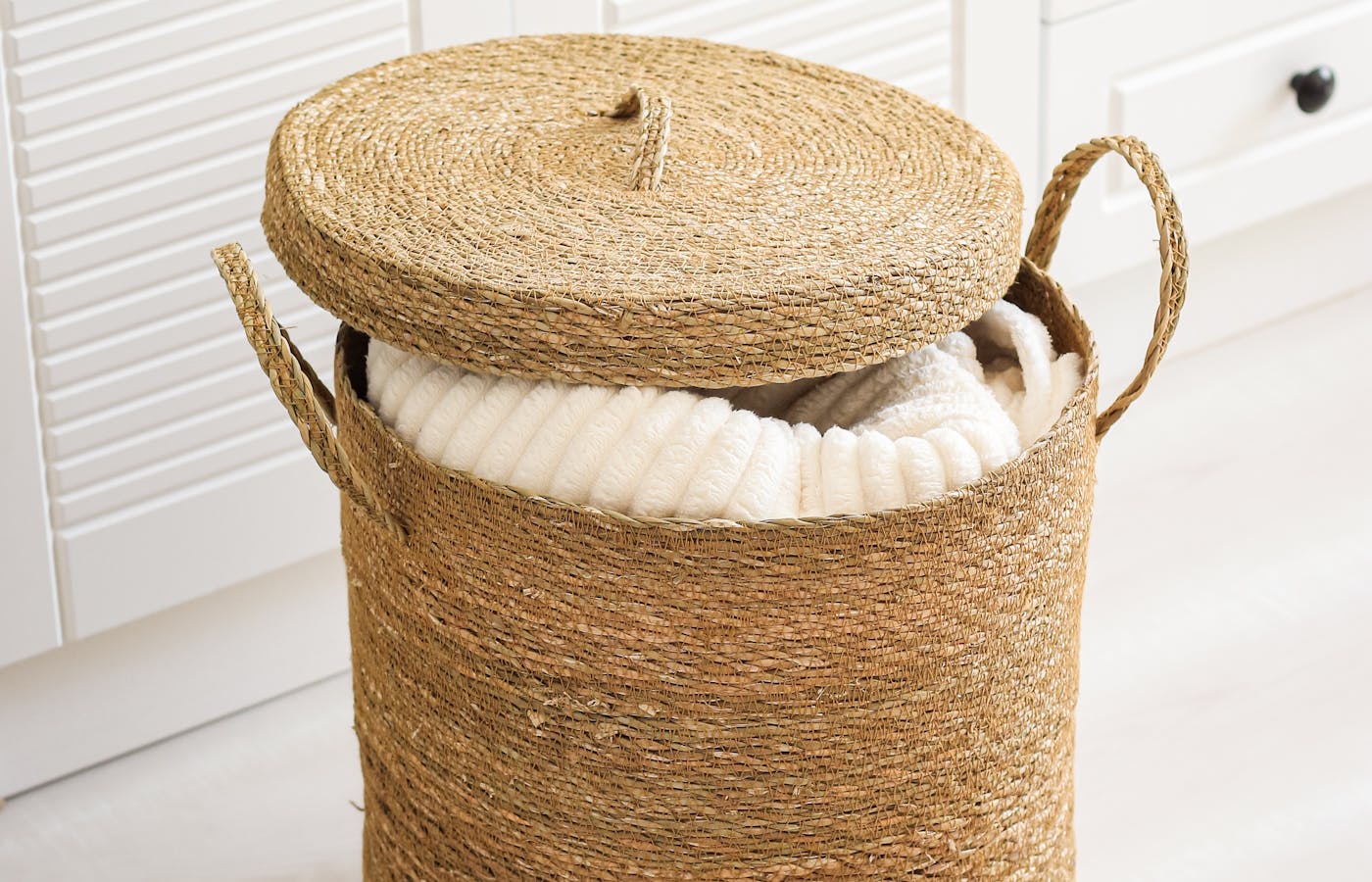
Baskets work well for living room blankets, bedroom throws, and light quilts because they make soft items easy to grab and easy to put away. A lidded basket can hide visual clutter, while an open basket is better when the blanket is used constantly. Choose based on the habit, not only the look.
Do not overfill the basket. A blanket basket should still allow one person to remove or return a blanket without fighting the whole pile. If the basket is packed tight, the top blanket gets used and the rest stay compressed. That usually means there are too many blankets in the room or the container is doing too much work.
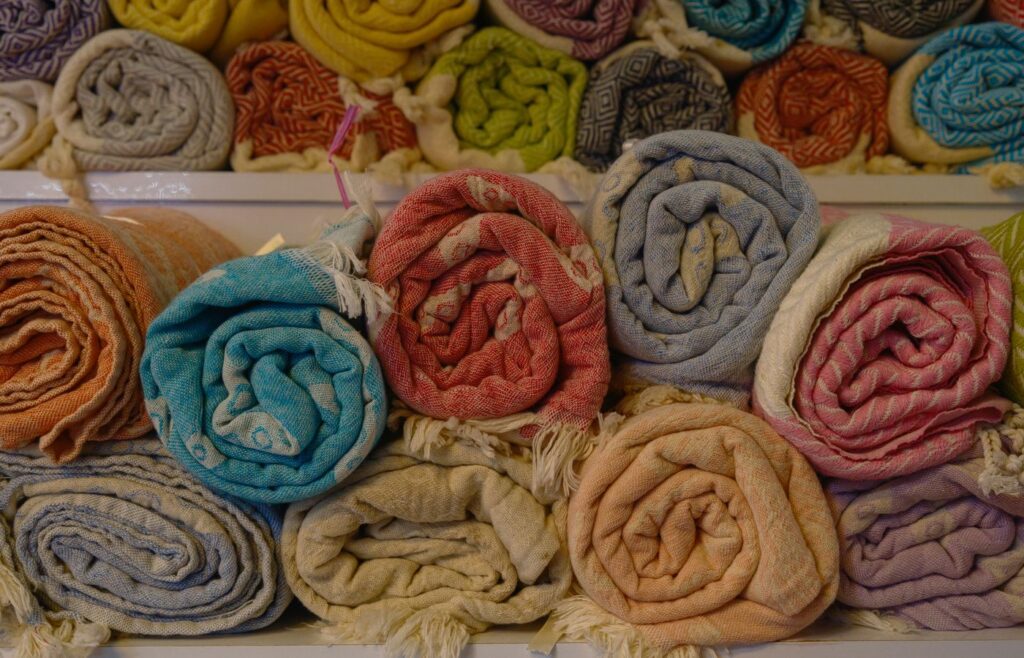
For a cleaner look, fold or roll blankets in a repeatable way. Rolling works well for throws because the colors and textures stay visible. Folding works better for heavier quilts or blankets that need a flatter shape. Either method is fine if the basket can be reset in under a minute.
Blanket storage stays easier when the simplest place to put the blanket away is also the place where you want it to live.
Keep guest bedding together as complete sets
Guest bedding becomes stressful when sheets, pillowcases, blankets, and protectors are stored in separate places. Instead, build complete guest sets. A fitted sheet, flat sheet, pillowcases, and light blanket can be folded together or placed inside one pillowcase so the whole set moves as one unit.
This method is especially useful if guests use a sofa bed, air mattress, spare room, or kids’ room. Label the set by bed size and purpose, such as queen guest set, twin air mattress set, or winter guest bedding. That wording is more useful than a vague label like linens.
Guest bedding should be clean, dry, and easy to identify. If it smells stale, feels dusty, or has been stored with random household items, it will not feel ready when someone arrives. Before storing it, make sure every piece in the set belongs together and is in good enough condition to use.
- Store each guest sheet set by mattress size.
- Keep pillowcases with the matching sheets.
- Add a light blanket or note where the blanket lives.
- Label seasonal guest bedding if winter layers are separate.
- Remove stained, worn, or mismatched pieces from the guest set.
Choose shelves or bins based on weight and space
Shelves are useful for bedding that needs airflow and visibility. Folded sheets, thin blankets, duvet covers, and mattress protectors can sit neatly on a shelf if the stack is not too tall. Shorter stacks are easier to maintain because you can remove one item without pulling down everything above it.
Bins are better when bedding needs protection from dust, seasonal storage, or under-bed space. Use breathable fabric bins for items that need a little airflow, and use sturdy lidded bins when dust is the main problem. Clear bins can help with visibility, but labels still matter because folded bedding can look similar through plastic.
Heavy comforters should not be stored where they are awkward to lift. A high shelf may look like unused space, but it becomes annoying if you need a ladder and both hands to move a bulky item. Store heavier bedding at waist height, under the bed, or in a low closet zone when possible.
One practical rule is to match storage to retrieval. If you need the item monthly, make it easy. If you need it once a season, it can live farther away. If you have not used it in years, storage may not be the real question anymore. That same decision is easier to maintain when linen closet organization ideas that stay neat gives the storage step a clearer place in the room.
Protect bulky bedding without trapping moisture
Comforters, quilts, and extra pillows need protection, but they also need to stay dry. Avoid storing bedding before it is fully clean and fully dry. Even a small amount of trapped moisture can lead to stale odors, mildew, or fabric that feels unpleasant when opened later.
Vacuum bags can save space, but use them carefully. They can work for temporary seasonal storage, especially for bulky synthetic items, but they are not always ideal for delicate quilts, down, or pieces that should keep loft. If a comforter comes out flat, lumpy, or musty, the space savings were not worth it.
For long-term storage, consider breathable bags, cotton storage cases, or bins with enough room that bedding is not crushed. Add a label with the size and season so you do not open three containers to find one winter blanket. Clean shelves and containers before loading them because bedding absorbs odors easily. That same decision is easier to maintain when laundry room storage ideas for tight spaces gives the storage step a clearer place in the room.
If the storage area is a basement, attic, garage, or exterior closet, be more cautious. Temperature swings and humidity can be rough on fabric, especially for pillows, quilts, and natural fibers. In those spaces, use tighter protection, avoid direct floor contact, and check stored bedding before the season when you will need it.
Good storage should protect bedding from dust, moisture, pests, and pressure. It should not turn the bedding into something you have to rescue before using.
Label bedding storage so the right item comes out first
Labels matter because blankets and bedding often look similar once folded. A label should tell you the bed size, season, room, or purpose. Queen flannel sheets is more useful than sheets. Living room throws is more useful than blankets if bedroom blankets live somewhere else.
Use labels that match how your household searches. If someone will ask for the sofa bed sheets, label the container that way. If you rotate summer and winter bedding, put the season on the label. If a bin contains a complete guest set, say so directly.
Useful bedding labels might include:
- Queen guest bedding
- Winter blankets
- Kids extra sheets
- Living room throws
- Air mattress sheets
- Extra pillows and pillow protectors
Labels can be simple tape, clip-on tags, card holders, or a note tucked into a clear pocket. What matters is that the label can survive normal handling. If the container is soft-sided or frequently moved, choose a label style that will not peel off the first time the bin is squeezed onto a shelf.
Labels also help prevent random mixing. When a container has a clear purpose, it is easier to notice when towels, clothes, toys, or loose decor start creeping into the bedding area.

Reset blanket and bedding storage each season
Bedding storage changes with weather, guests, laundry habits, and household routines. A system that works in summer may not work once heavier blankets come out. Plan a short reset at the start or end of each season so the storage stays accurate instead of slowly turning into a soft pile of maybes.
Use a simple bedding reset routine:
- Empty the main bedding storage area enough to see every category.
- Remove pieces that are stained, damaged, wrong-sized, or never used.
- Wash and fully dry anything that will be stored for months.
- Group complete sheet sets and guest bedding bundles.
- Move daily-use blankets to baskets or easy shelves.
- Label seasonal bins before putting them away.
- Leave a little open space so the system can survive normal laundry.
The open space matters more than it seems. Bedding expands, laundry timing changes, and guests may leave a bed stripped at an awkward moment. If every shelf and bin is packed perfectly full, the system fails the first time real life touches it.
Blankets and extra bedding are easier to manage when they are grouped by use, stored with the right level of access, protected from dust and moisture, and labeled in plain language. A few clear zones can turn a bulky bedding pile into something calm, useful, and ready when the house needs it.