How to Organize Spices in a Small Kitchen
Spices are small, but they can take over a kitchen quickly. A few jars near the stove, a bag of refills in a cabinet, older bottles behind newer ones, and one mystery container with no label can turn a simple dinner into a search. In a small kitchen, that wasted movement feels even bigger.
Learning how to organize spices in a small kitchen is less about buying a perfect rack and more about making every jar easy to see, reach, and return. The best setup depends on how you cook, where your heat and light are, and how much cabinet or drawer space you can realistically give to spices.
Start with the spices you actually cook with
The first step is not choosing containers. It is finding out which spices deserve prime space. Pull every spice, seasoning blend, refill bag, and loose jar into one area. Group duplicates together, check dates if they are printed, and smell anything that seems old. If a spice has no scent, clumps badly, or has been ignored for years, it probably does not need to keep stealing space.
Make a small everyday group for the seasonings you reach for every week. Salt, pepper, garlic powder, chili flakes, cinnamon, Italian seasoning, cumin, paprika, or any other regulars should be easy to grab. Specialty spices can still stay in the kitchen, but they do not need the same front-row position.
This sorting keeps the system honest. A tiny kitchen cannot give premium space to every jar equally. If the most-used seasonings are mixed with rare baking spices, old blends, and duplicates, the organizer will look full on day one and feel annoying by day three.
I would rather have a modest spice area that matches real cooking than a beautiful wall of jars that hides the three seasonings used most often. Start with use, then decide where everything belongs.
Choose one main spice zone instead of scattering jars
Small kitchens get harder when spices live in too many places. A few jars near the stove, a few in a pantry, a few in a drawer, and a few on the counter can make you buy duplicates because you cannot remember what you already have. One main zone reduces that problem and makes cooking faster.
The main zone should sit close enough to your prep or cooking area to be useful, but not so close to heat and steam that spices fade quickly. A cabinet beside the stove may be convenient, but the cabinet directly above a hot range is often a poor long-term home. Heat, light, and moisture can dull flavor and damage labels.
Good spice zones usually include:
- A shallow drawer near the prep counter.
- A narrow cabinet shelf with risers.
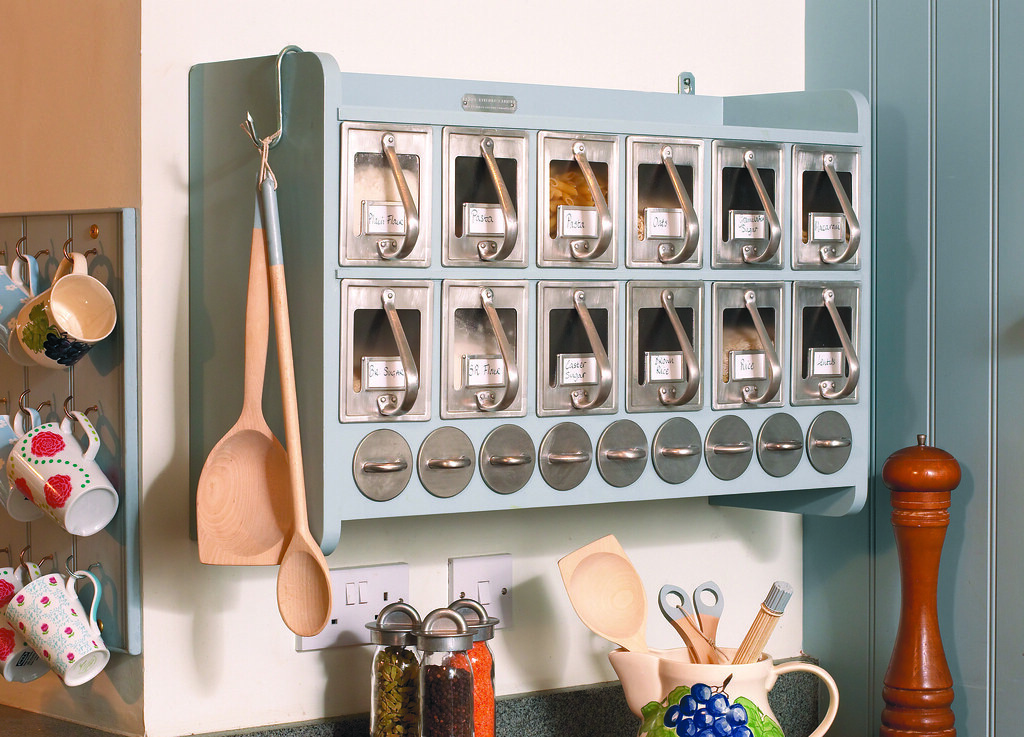
- A wall-mounted rack away from direct heat.
- A pull-out organizer in a lower cabinet.
- A small tray inside a pantry cabinet.
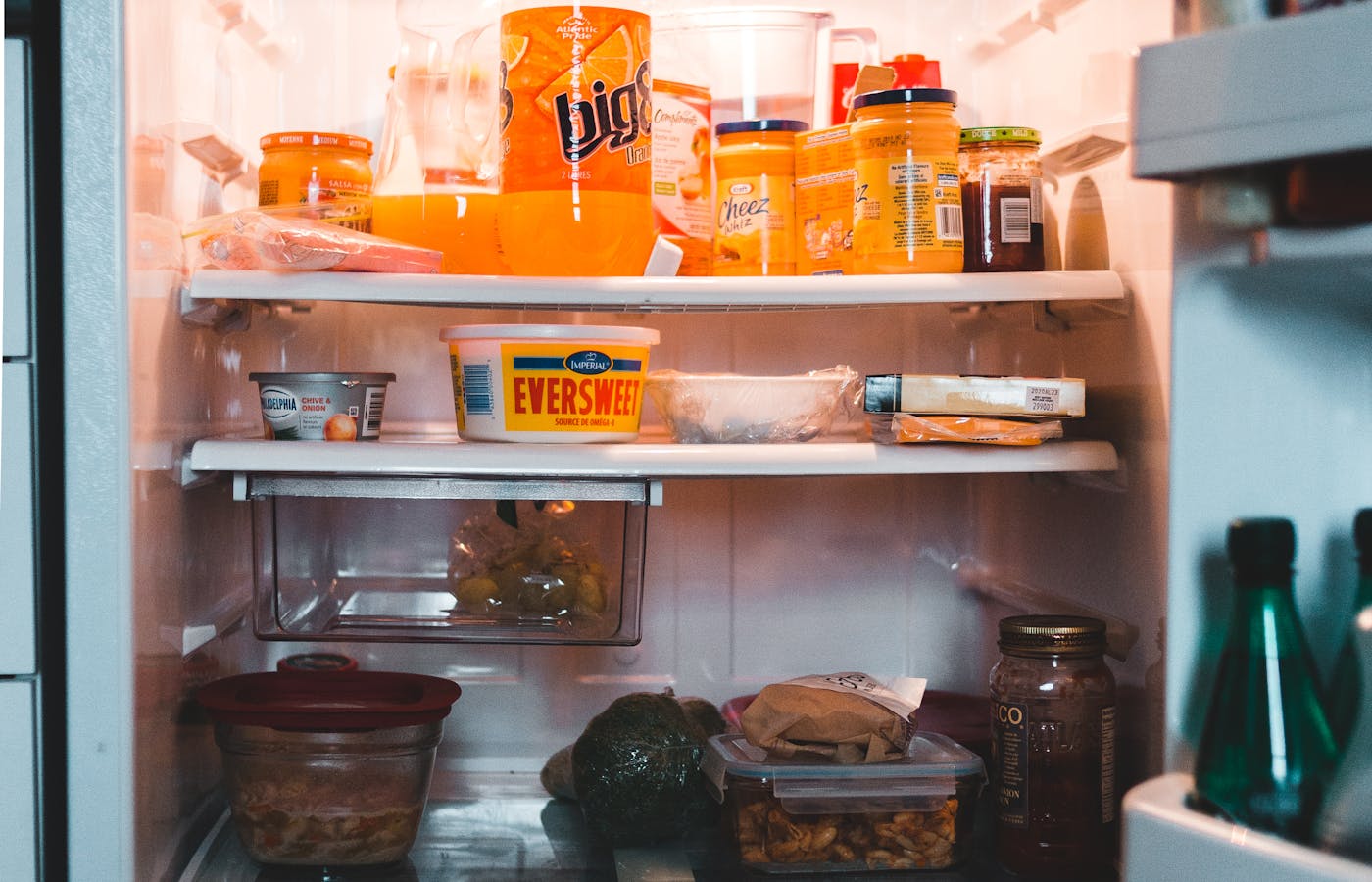
Pick the option that lets you see names without moving half the collection. If you have to lift three bottles to find one, the zone is too deep, too crowded, or using the wrong container style for the space. The home system works better when the routine is simple enough to repeat, and organize a refrigerator by zones can support that habit in another part of the house.
Use labels where your eyes actually look
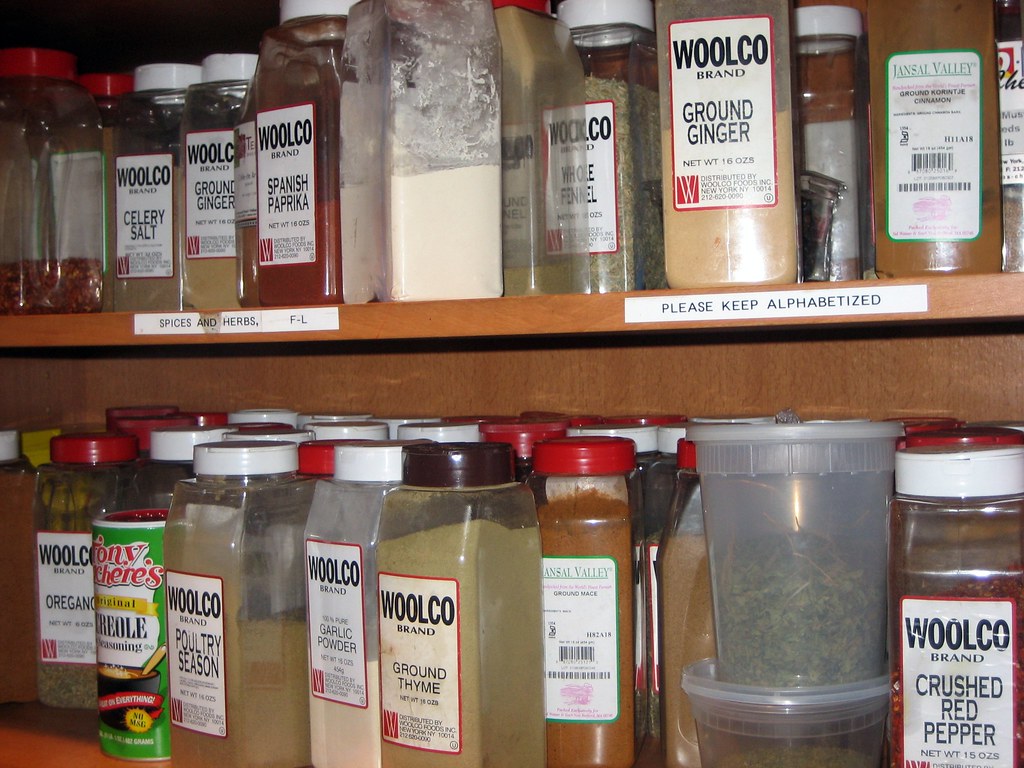
Labels only help when they face the direction you search from. If spices stand upright in a cabinet, front labels matter. If they lie in a drawer, top labels matter. If they sit on a stepped shelf, labels need to be readable from the front row and the back row. A matching label set is not useful if you still have to pick up every jar.
Keep the wording short and practical. Use the spice name first, not a brand name or decorative phrase. If you refill jars, write the name clearly and keep any important information from the original package if you need it. For blends, include the main use if the name is vague, such as taco blend, poultry blend, or baking spice.
Do not relabel everything just for appearance if the current labels already work. A small kitchen needs clarity more than uniformity. Matching jars can look clean, but they also create work. If you choose them, make sure the lids close well, the opening fits your cooking style, and the jar size does not waste shelf height. If spices live beside the prep area, clear kitchen-counter organization helps decide what stays visible and what should move back into a cabinet.
For drawers, top labels are usually worth the effort. For shelves, front labels and a simple alphabetical or cooking-style order usually work better. The right label is the one you can read in two seconds while food is already on the stove.
Match the organizer to the cabinet or drawer depth
A spice organizer should solve the shape of the space. Deep shelves need a way to bring the back row forward or lift it into view. Shallow drawers need jars that fit lying down or short enough to stand. Narrow cabinets may need a vertical rack, while awkward corners may work better with a small bin that pulls out.
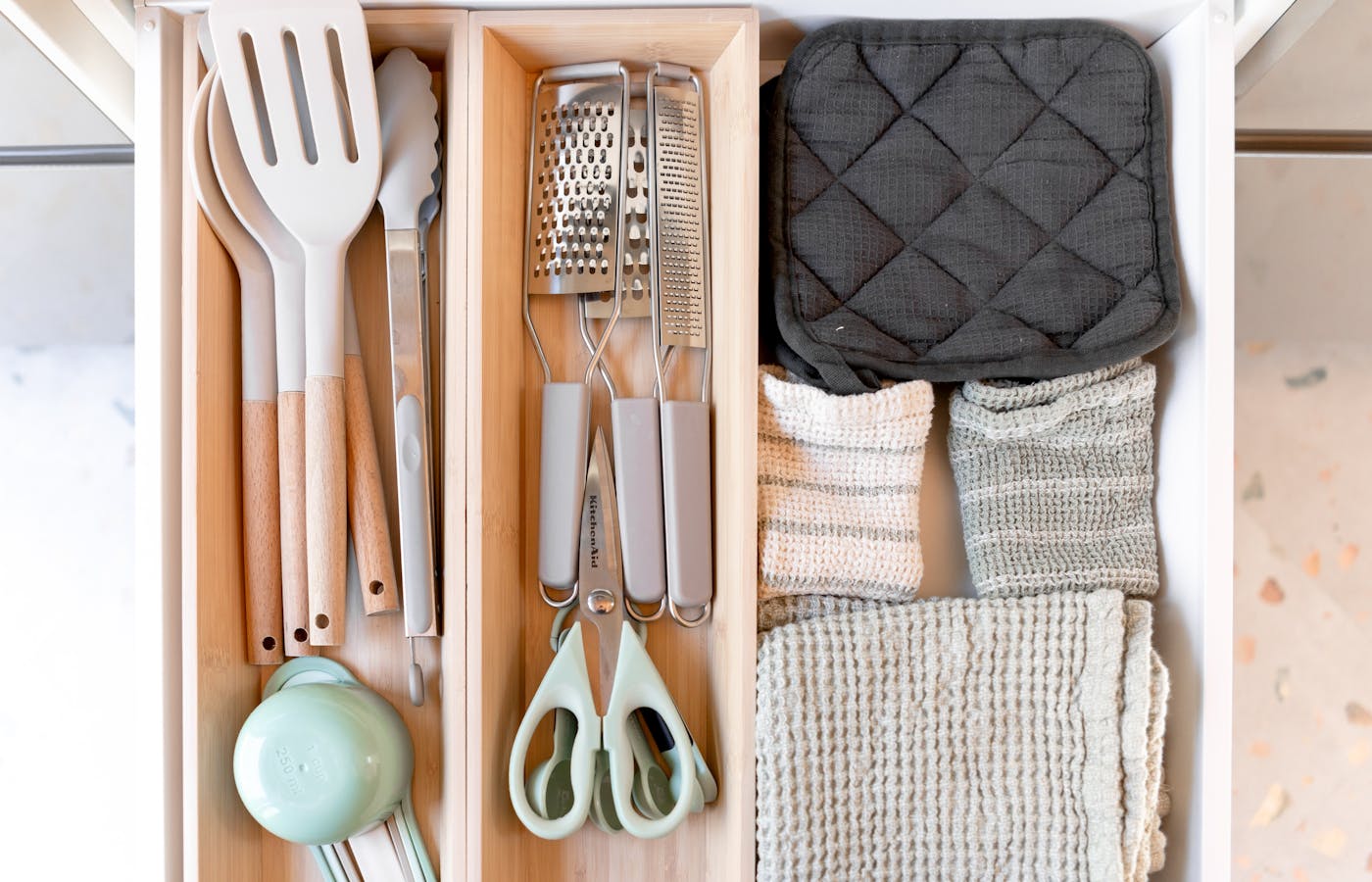
Before buying anything, measure the shelf width, depth, and height. Also measure one or two spice jars you actually use. Many organizers fail because they look right online but steal too much height, block a cabinet door, or hold only one jar size. In a small kitchen, even one inch can decide whether the system feels smooth. Kitchen storage works better when kitchen-drawer keeps daily-use items from drifting back onto open surfaces.
Useful organizer choices include:
- Tiered shelf risers for standard cabinet shelves.
- Drawer inserts for jars stored on their sides.
- Turntables only when the shelf is wide enough to spin freely.
- Pull-out bins for deep lower cabinets.
- Narrow wall racks for small groups of everyday spices.
Avoid cramming a large collection into a tiny rack just because it fits on paper. If jars scrape, fall, or hide behind each other, the organizer is creating a new problem. Leave a little empty space so the system can survive normal cooking.
Control duplicates and refill bags before they spread
Duplicates are one of the fastest ways a spice area becomes messy. You buy paprika because you cannot find it, then discover two opened jars later. Refill bags can cause the same issue because they are often stored somewhere different from the active jars. The solution is to separate active spices from backup spices on purpose.
Keep only one open jar in the main spice zone when possible. If you buy refills, store them in a small labeled backup bin or pantry spot. Do not let refill bags float between drawers, cabinets, and shelves. They should have one home, and that home should be checked before shopping.
When a jar gets low, add it to the grocery list instead of opening a second bottle early. If you already have a backup, move it forward only when the active jar is empty or nearly empty. This small habit protects space and keeps you from ending up with three versions of the same seasoning.
Spice organization is also easier when you accept a limit. Decide how many jars your kitchen can hold comfortably. If a new blend comes in, an old one may need to leave, move to backup, or prove that it is still useful.
Reset the spice area once a month
A spice setup does not need daily maintenance, but it does need a short reset. Jars get returned to the wrong row, lids loosen, refill bags appear, and labels turn sideways. A monthly pass keeps the system useful without turning it into another complicated chore.
Use this simple reset:
- Pull forward any jars hiding behind the main row.
- Combine duplicates only when the products are the same and still fresh.
- Move rarely used spices out of the everyday zone.
- Wipe the shelf, drawer, or tray where powder has collected.
- Turn labels so they face the direction you search from.
- Check the backup bin before adding spices to the shopping list.
- Remove anything stale, unlabeled, or no longer used.
This reset should take less than ten minutes. If it takes longer, the spice area is probably holding too much or using a layout that hides what you own. Reduce the front-row group, move backups elsewhere, or switch from a deep shelf to a drawer if that fits your kitchen better.
Organizing spices in a small kitchen becomes easier when the setup follows your cooking habits. Keep regular seasonings visible, choose one main zone, label for the way you search, match the organizer to the space, and control duplicates before they spread. The result is a spice area that stays useful during real dinners, not just right after a cleanout.