Kitchen Cleaning Routine for Busy Weeknights
A weeknight kitchen can fall apart quickly. Dinner gets cooked, plates land near the sink, lunch containers appear from bags, and the counter starts collecting crumbs, wrappers, mail, and half-used ingredients. By the time everyone is tired, a full deep clean is a hard sell.
A kitchen cleaning routine for busy weeknights should be short, repeatable, and honest about energy. The goal is to make tomorrow easier without pretending every cabinet, appliance, and corner needs attention after dinner.
The best reset is the one you can still do on an ordinary Tuesday night. It should clear food, dishes, surfaces, trash, and the spots that make the kitchen feel worse in the morning.
Start by deciding what must be clean tonight
A busy weeknight routine needs limits. If every visible mess becomes urgent, the kitchen turns into a long project and the routine stops happening. Decide what must be clean tonight and what can wait for a deeper weekend task.
The non-negotiable items are usually food safety, dishes that will smell or dry hard, counters used for food prep, trash that contains scraps, and spills on the floor. Cabinet fronts, appliance polishing, pantry sorting, and drawer organizing can wait unless they are directly in the way.
I like a simple rule: reset the kitchen enough that breakfast can start without resentment. That means the sink is usable, the main counter has space, leftovers are stored, trash is handled, and no sticky spots are waiting for socks or slippers.
This first decision keeps the routine from expanding. You are not ignoring the rest of the kitchen; you are protecting the part of the night that keeps the home functioning.
It also helps to name one task that belongs to another day. If the fridge shelf needs wiping or the utensil drawer is crowded, write it down instead of folding it into the nightly reset.
Clear dishes in the order that saves effort
Dishes are usually the loudest part of a messy kitchen, but they do not all need the same treatment. Start with anything that will become harder if it sits: pans with sauce, bowls with oatmeal, plates with melted cheese, cutting boards with strong smells, and cups with milk or smoothies.
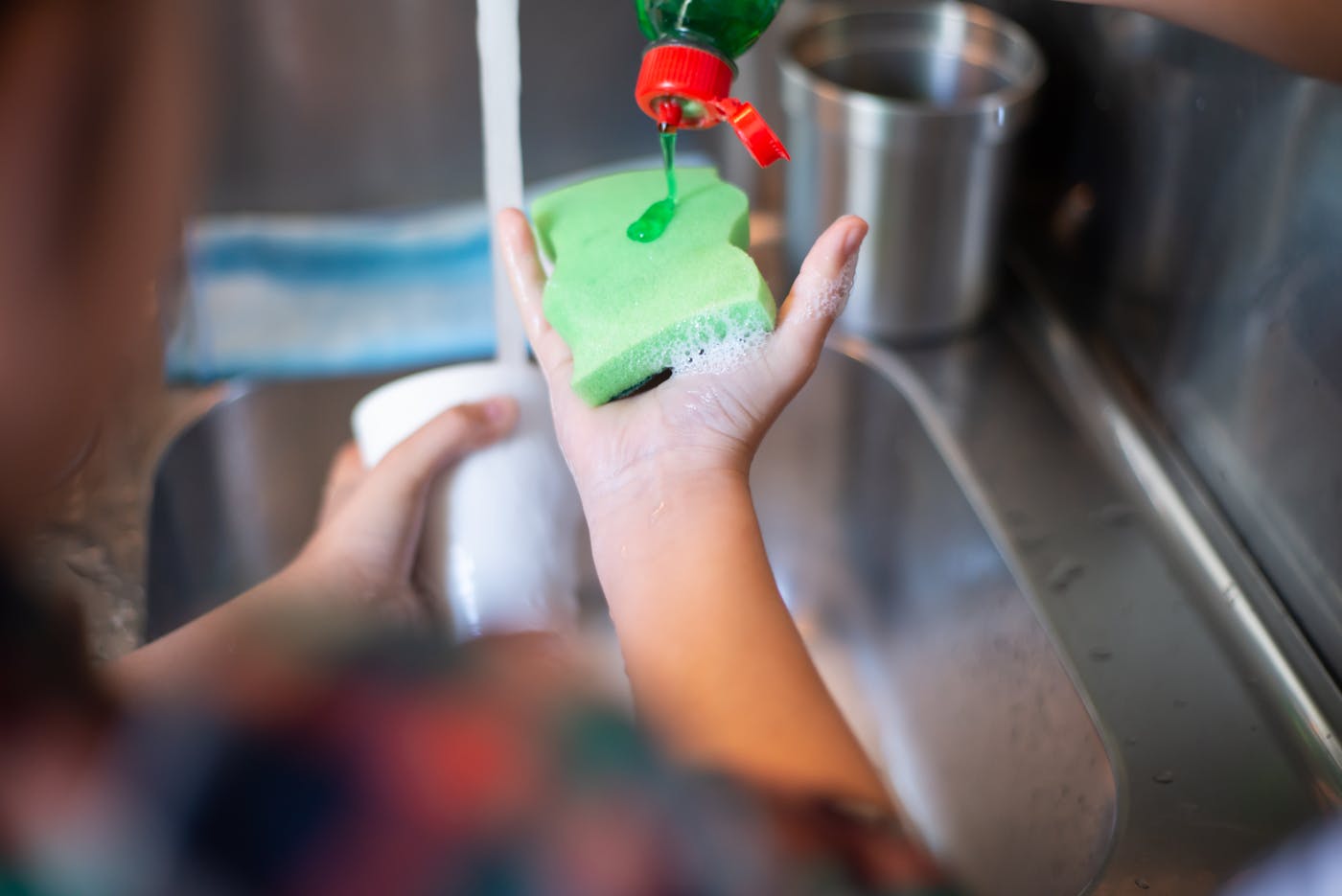
Scrape food first, then rinse or soak only what needs it. A sink full of soaking dishes can block the whole routine, so use soaking as a targeted step rather than a default. If the dishwasher has space, load it by category: plates together, bowls together, cups together, and utensils with handles mixed so spoons do not nest.
If dishes must be hand-washed, wash the cleanest items first and greasy pans later. That keeps the water useful for longer and reduces the number of times you need to restart. Dry or rack only what has a real place to go; random stacks on the counter can become tomorrow’s clutter.
- Scrape plates before anything goes into the sink.
- Soak sticky pans while counters are being cleared.
- Load dishwasher zones instead of tossing items in randomly.
- Wash cups and plates before greasy cookware.
- Leave the sink open enough to rinse a sponge or cloth.
Reset counters by zones, not by wandering
Counter cleaning goes faster when you move by zone. Wandering from one crumb to another makes the kitchen feel larger than it is. Work from one side to the other, or choose three zones: prep counter, stove-side counter, and landing area near the fridge or sink.
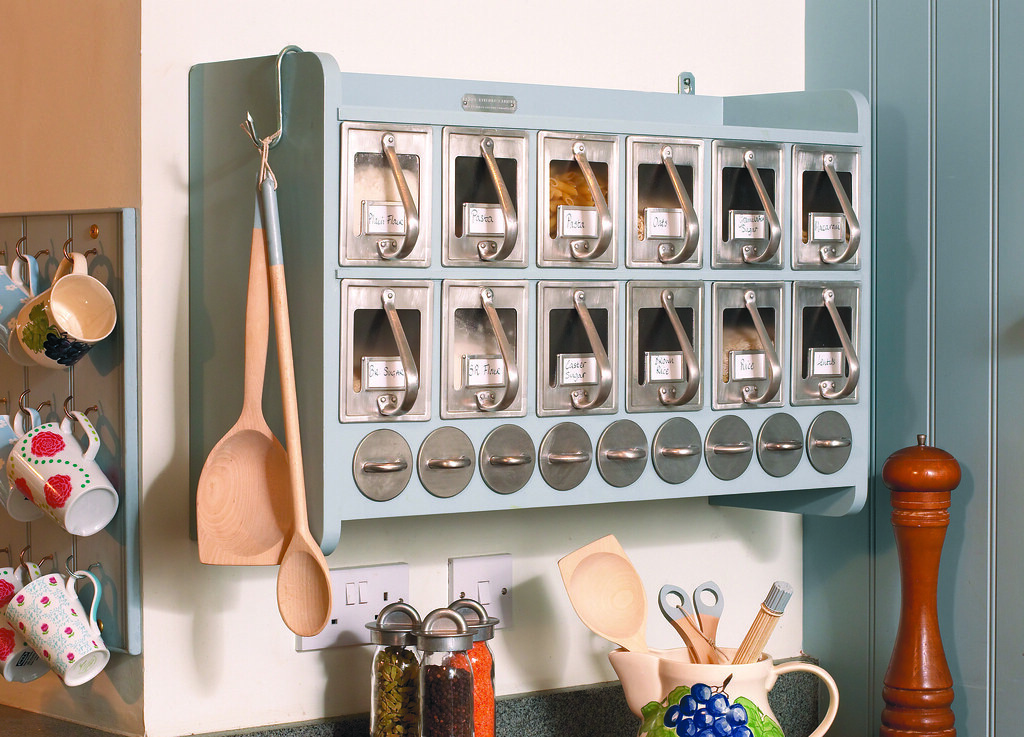
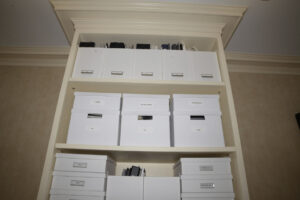
Put food away before wiping. Return oil, spices, bread, snacks, and condiments to their homes. Toss wrappers, move mail out of the kitchen, and group lunch containers for the next day. Then wipe the counter with a cleaner that fits the surface and the mess. Kitchen storage works better when clear kitchen-counter organization keeps daily-use items from drifting back onto open surfaces.
For dried food, give the spot a little moisture and time before scrubbing hard. A damp cloth sitting on a sticky patch for a minute can save effort. For crumbs, brush them into your hand, a small dustpan, or the sink before spraying, because wet crumbs smear.
| Zone | Fast task | Stop point |
|---|---|---|
| Prep counter | Put food away and wipe the surface | One clear cutting space |
| Sink area | Move dishes, rinse sink, wring cloth | Sink can be used |
| Stove area | Clear splatters and move pans | Burners are safe and dry |
| Landing spot | Remove mail, bags, and lunch items | No unrelated pile remains |

Store leftovers before cleaning around them
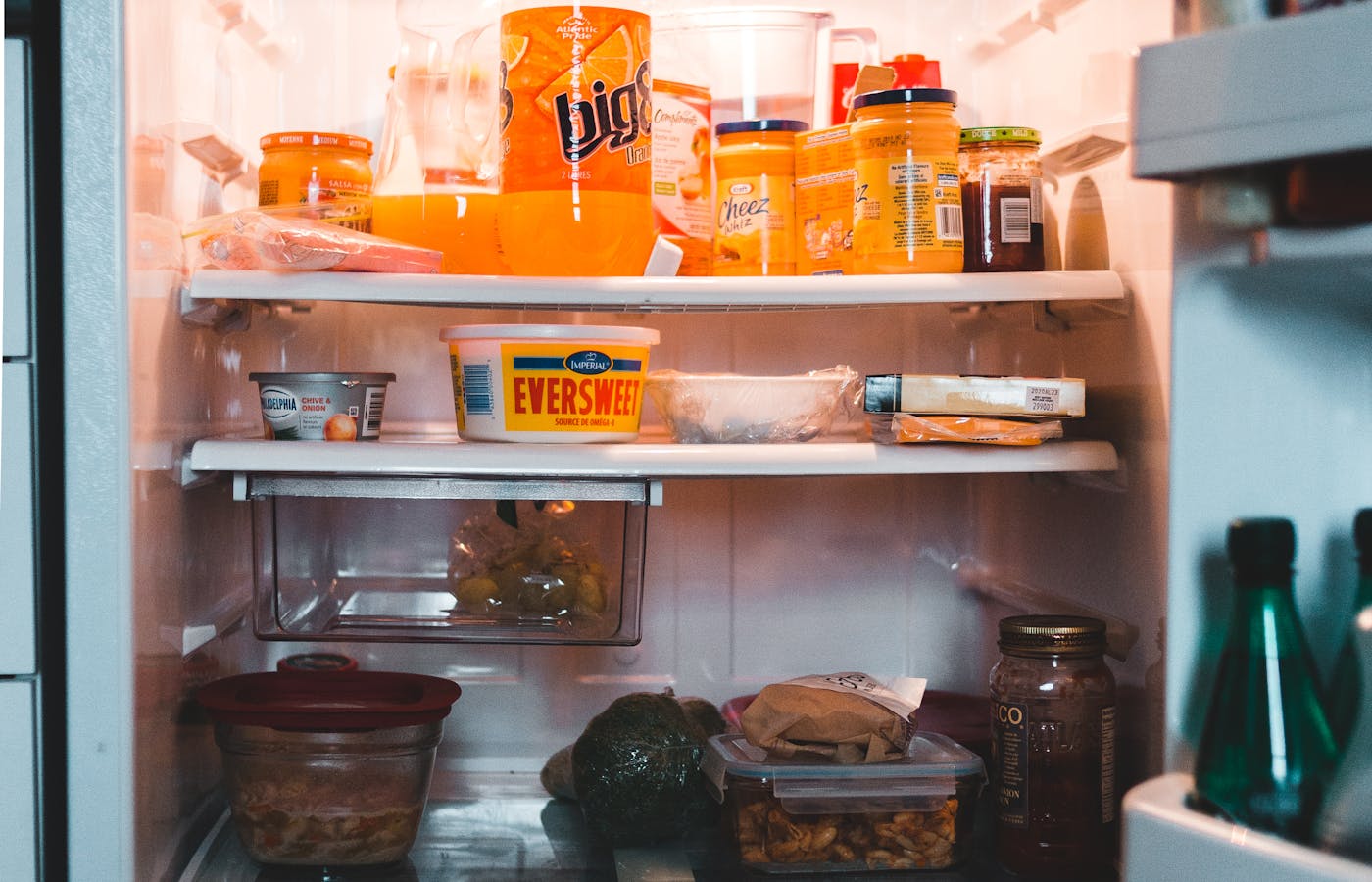
Leftovers can quietly slow the whole kitchen reset. If pans and serving bowls sit out while everything else gets cleaned, the counter never fully clears and food may stay at room temperature longer than it should. Store leftovers early, before wiping surfaces.
Use containers that match the amount of food. A huge container for one serving wastes fridge space, while a container packed too tightly can spill or cool slowly. Label anything that might be forgotten, especially sauces, cooked grains, or small portions meant for lunch.
Think about tomorrow while packing. If something is likely to become lunch, portion it now. If it needs a side, put a note on the container or place it near the item it belongs with. This small step turns cleaning into preparation instead of another separate chore.
Food storage also helps the sink. Once leftovers are packed, pots and serving dishes can be scraped, soaked, washed, or loaded without the awkward question of where the food should go.
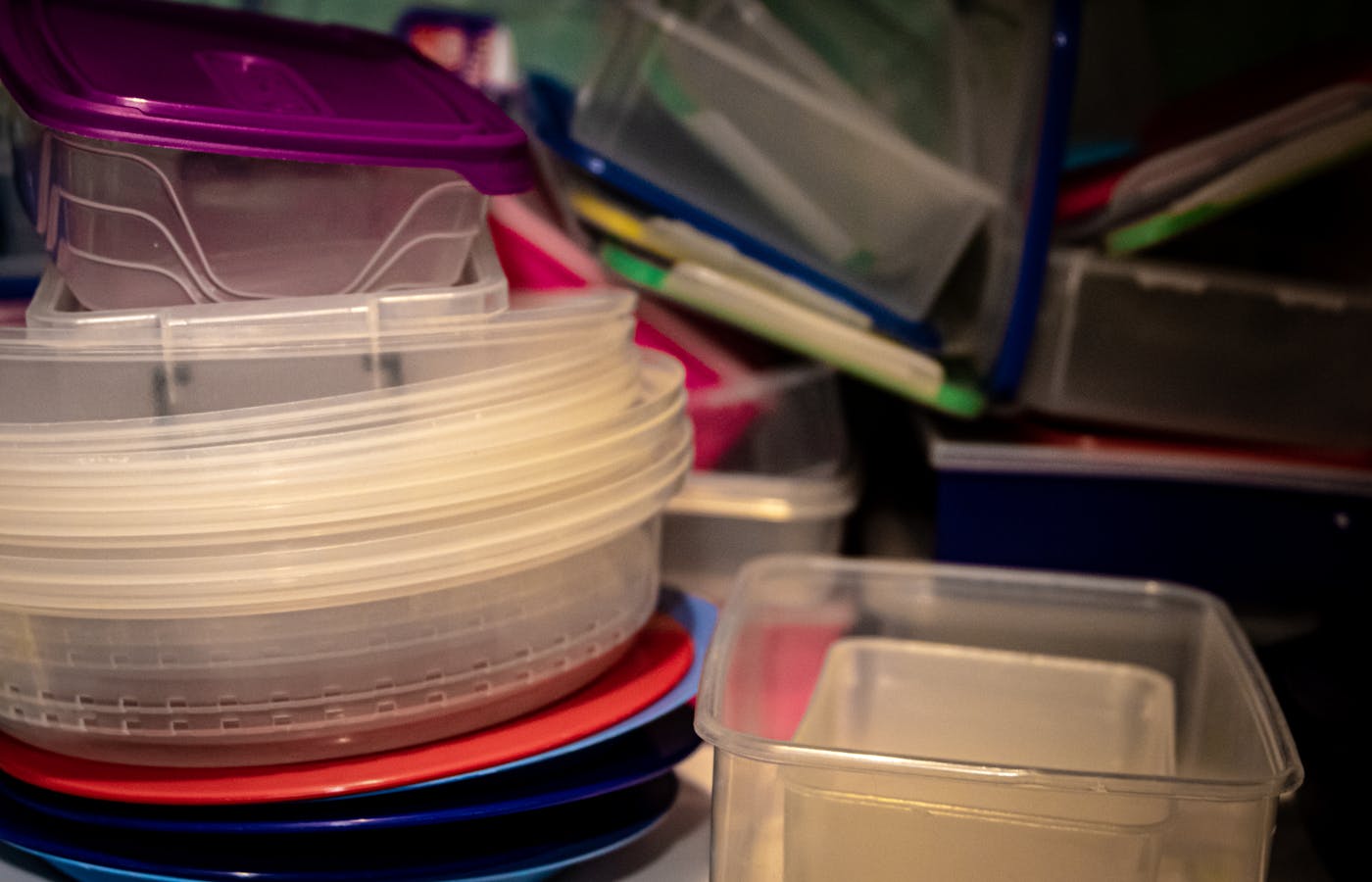
Check lids before filling containers. A lid that does not fit turns one simple storage task into a counter pile, so match the container and lid first, then move the food once.
Handle trash, sink, and floor spots last
The final cleaning pass should catch the things that make the kitchen smell or feel dirty after everything else is done. Empty trash if it has food scraps, seafood packaging, raw meat trays, strong odors, or is close to full. Replace the liner so the morning starts clean.
Rinse the sink after dishes and food storage are handled. Clear the drain basket, rinse away bits of food, and wring out the sponge or cloth so it does not sit wet in a pile. If the sink needs a quick scrub, do that after the dishes are gone, not while the sink is still crowded.
Then look at the floor only where food actually fell. A full mop is rarely needed on a busy weeknight, but sticky spots, rice, cereal, crumbs, and vegetable scraps should not wait. A small broom, handheld vacuum, or damp cloth can take care of the visible trouble areas.
- Take out trash with strong food odors.
- Rinse the sink after dishes are finished.
- Wring cloths and sponges so they dry faster.
- Spot-clean sticky floor patches.
- Move tomorrow’s lunch items to one visible place.
Use a ten-minute closing routine
A weeknight kitchen reset works better when it has a clear ending. Without an ending, you keep noticing one more thing until the routine becomes too long to repeat. Set a realistic timer or choose a short list that marks the kitchen as ready enough.
- Store leftovers and return cold food to the fridge.
- Scrape, load, wash, or soak the dishes that need attention tonight.
- Clear the main prep counter and wipe it dry.
- Reset the sink, drain area, sponge, and dish cloth.
- Take out trash if food scraps or odors are present.
- Spot-clean the floor where food or sticky liquid landed.
- Set out anything needed for breakfast, coffee, or lunch packing.
If ten minutes is too much, choose the first three steps and stop there. Food storage, dishes, and one clear counter will still make the next morning easier than leaving the kitchen untouched.
Ready enough is the standard on a busy night. A kitchen cleaning routine for busy weeknights should protect tomorrow, not punish tonight. When dishes are handled, counters are usable, food is safe, trash is managed, and the sink is open, the kitchen has done its job for the evening.