Best Storage Ideas for Small Closets
Small closets rarely fail because they are small. They usually fail because every inch is asked to do the same job. Shoes land where clothes should hang, and the things used every morning get mixed with items that only come out twice a year.
The best storage ideas for small closets start with decisions before containers. A small closet needs clear zones, honest limits, and storage that lets you see what you own. More bins can help, but only when each bin has a job you can name quickly.
I like small closet projects because the result shows up fast. You need a smarter order, a few repeatable rules, and the discipline to keep prime space for daily life.
Start by choosing what the closet must do every day
A small closet becomes frustrating when it tries to hold every clothing category, every shoe, every spare bag, every seasonal item, and every maybe-later purchase at the same priority level. Before buying anything, decide what the closet must support on an ordinary weekday. That answer should guide the layout more than the shape of the closet itself.
For many homes, the daily job is simple: make it easy to get dressed, put clothes away, find shoes, and keep the floor clear. Items that serve that daily job deserve the easiest positions. Items used rarely can move higher, lower, deeper, or even outside the closet if another storage spot is available.
This first decision also prevents over-organizing. A small closet does not need a special container for every object. It needs a clear reason for each area. If one shelf is for folded sweaters, one bin is for off-season accessories, and one hook is for the bag used most often, the closet becomes easier to maintain.
Walk through your normal routine and notice where you hesitate. If you dig for the same shirt, move that category closer. If shoes pile up because the shelf is awkward, fix the shoe zone before adding more boxes.
Give the easiest space to the items you wear most
The easiest space in a small closet is usually between shoulder and knee height, near the front, with nothing stacked in front of it. That space should belong to the clothes, shoes, and accessories you reach for most often. If the prime zone is filled with formalwear, old coats, memory items, or extra bedding, the closet will feel crowded even if it technically has room.
Start by pulling forward the pieces worn in a normal two-week cycle. These are the items that deserve the best hangers, the clearest shelf, and the least friction. Everything else should earn its place by frequency, season, or necessity. Small closets cannot keep every item equally convenient.
Hanging space can also be grouped by use instead of by color. Work clothes, weekend clothes, layers, and special-event pieces often make more sense as separate groups. The goal is to shorten the morning search, not create a display that looks tidy for one afternoon.
If you share the closet, give each person a clear side or vertical section. Mixed ownership creates small delays that add up. A narrow closet can still feel fair when the zones are obvious.
Turn shelves and bins into visible zones
Shelves are valuable in a small closet, but deep shelves can turn into hiding places. The back fills with items nobody sees, the front becomes a wall, and the shelf looks full while useful space is still wasted. The fix is to use shelves as zones, not as loose landing pads.
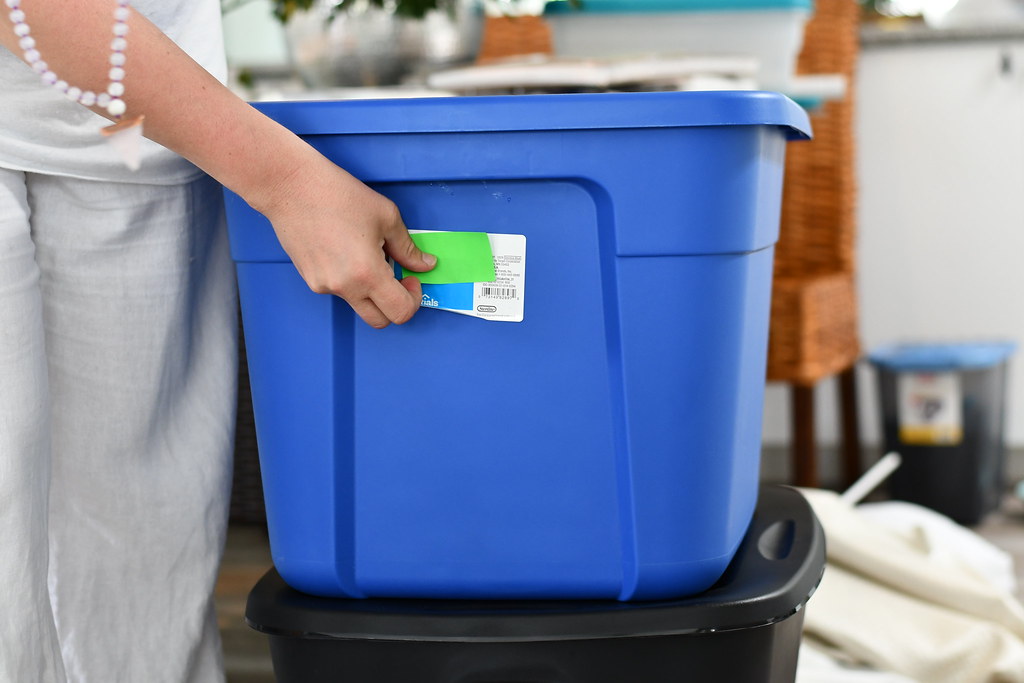
Open bins, clear bins, shelf dividers, and shallow baskets can help when they match the item. Bulky sweaters may need dividers so stacks do not lean. Smaller accessories may need a bin so they do not spread. Seasonal items may need a labeled container. The container should solve the behavior that causes the mess.
Use labels only where they save thought. A label that says “scarves” or “winter hats” is useful. A label that tries to make a random mixed bin sound organized is a warning sign.
| Closet area | Good storage use | What to avoid |
|---|---|---|
| Top shelf | Seasonal bins, spare bags, occasional items | Daily clothes stacked too high to reach |
| Middle shelf | Folded sweaters, jeans, baskets used weekly | Loose piles with no divider or category |
| Floor | Shoe rack, low bin, slim hamper | Random bags blocking the door swing |
| Door | Hooks, slim pocket organizer, light accessories | Heavy storage that keeps the door from closing |
Make hanging space work harder with simple divisions
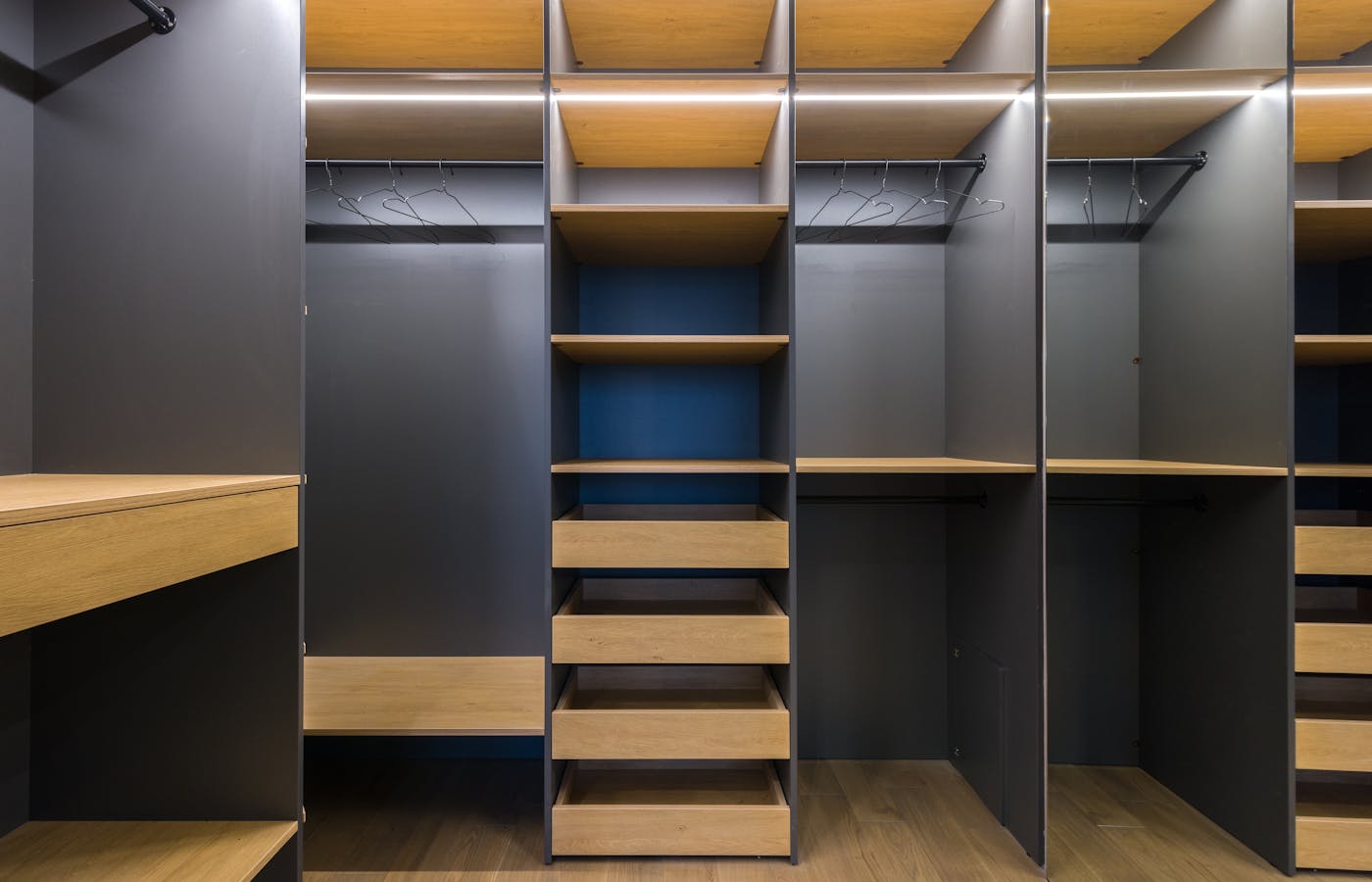
Small closets often have one rod doing too much. Long dresses, short shirts, jackets, pants, and empty hangers all compete on the same line. Instead of pushing everything tighter, divide the rod into sections that reflect how clothing is used. Even a few inches of separation can make the closet feel more readable. Small-space organization works better when storage ideas for small homes keeps storage useful without making the room feel crowded.
Use matching slim hangers if the current hangers are bulky, broken, or mismatched enough to waste space. The point is not a styled closet. The point is consistent spacing, fewer snags, and a smoother sliding motion when you look for something. Remove empty hangers from the rod and store them together in one spot so they stop spreading between clothes.
If your closet has enough height, a double-hang rod can help with shirts, folded pants on hangers, skirts, or children’s clothing. Measure first. A second rod that blocks the lower area or crushes clothes creates a new problem. Short-hang zones are useful only when the garments actually fit.
Keep one small gap on the rod if possible. A completely packed rod makes every choice harder and every laundry day stressful. The gap gives you room to return clean clothes and pull out an outfit. Small-space organization works better when storage-bin keeps storage useful without making the room feel crowded.
Handle shoes, bags, and accessories before they pile up
Shoes, bags, belts, hats, and small accessories can make a closet look messy even when the clothes are organized. They are awkward shapes, and they often land on the floor because the closet has no assigned place for them. Give these items storage before they create the mess, not after the floor is already full.
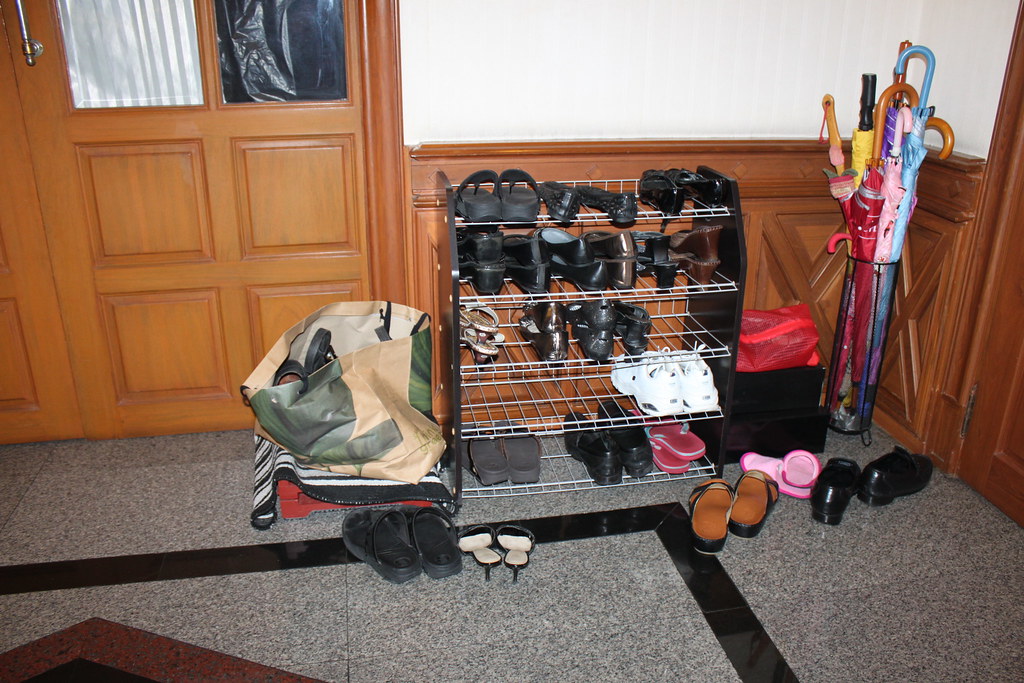
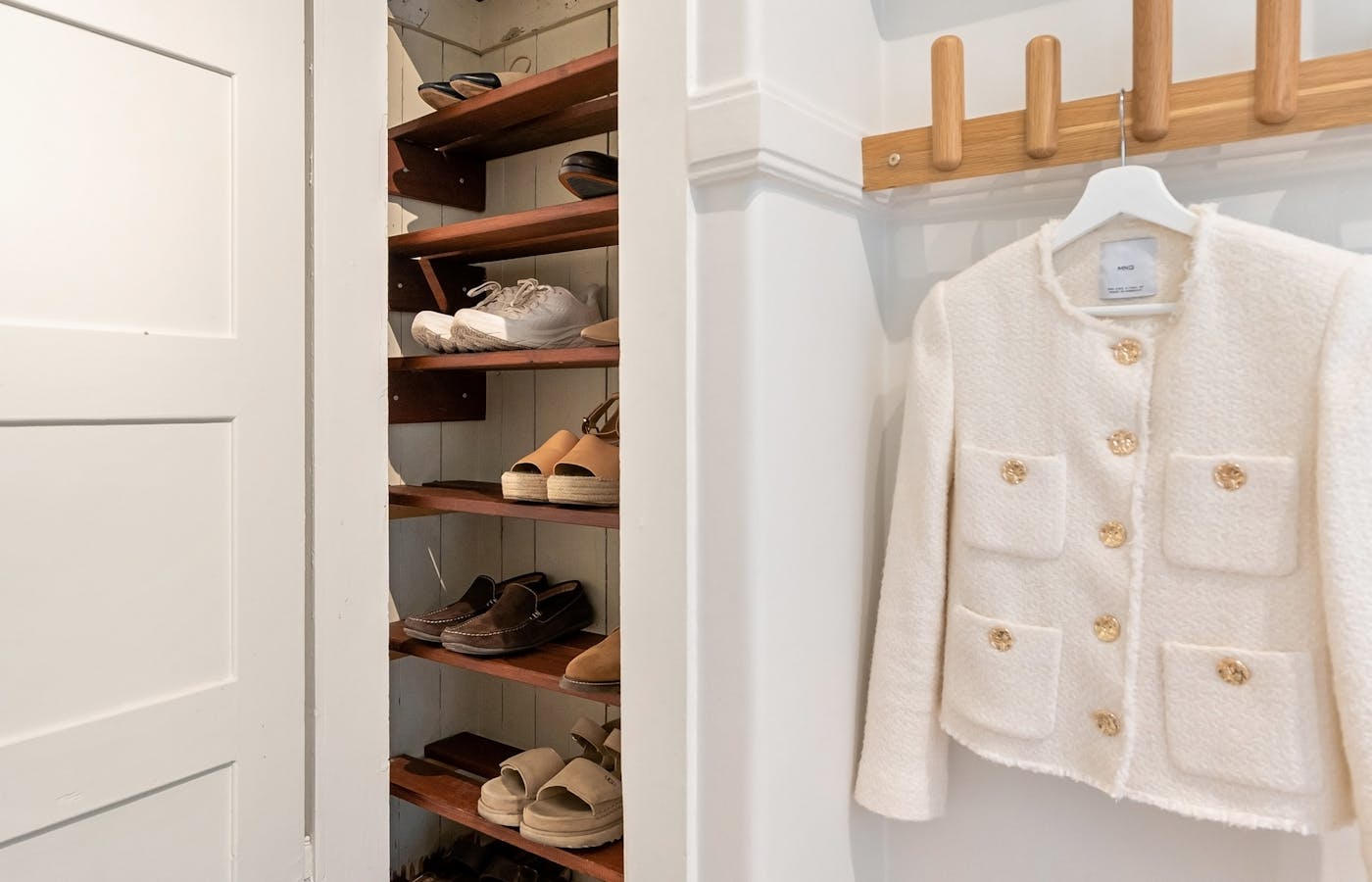
For shoes, choose one visible system: a low rack, narrow shelves, angled shelves, cubbies, or clear boxes for pairs used less often. Everyday shoes should not require unstacking boxes. Occasion shoes can live higher or deeper if they are labeled and protected. Keep the shoe limit visible so the category does not silently expand.
Bags do better when they are stored upright, nested carefully, or hung on sturdy hooks. Overstuffed bag bins are hard to use because handles tangle and shapes collapse. Belts and scarves can use slim hooks, a hanger-style organizer, or a small basket if the collection is small enough to stay visible.
Before adding an accessory organizer, count the category. A closet with three belts needs a different answer than a closet with twenty. Good storage fits the amount you actually own.
Move seasonal items out of the prime zone
Seasonal storage is where many small closets lose their best space. Heavy coats, boots, summer hats, thick sweaters, swimwear, and holiday outfits may be important, but they do not all need front-row access at the same time. Rotate the closet so the current season gets the easiest reach.
Use top shelves, under-bed storage, spare room storage, or a clearly labeled bin for off-season items. If an item is expensive, delicate, or sentimental, store it carefully rather than squeezing it into a daily area where it gets crushed. Clean items before storing them so stains and odors do not settle in while they are packed away.
A seasonal switch also gives you a natural time to edit. When you pull out a bin, ask whether each item still fits, still works for your life, and still deserves space. Small closets improve when storage and decluttering happen together.
Helpful seasonal storage checks include:
- Store only clean, dry clothing so closed bins do not trap odors.
- Keep the current season at eye level or within easy reach.
- Label bins with specific categories instead of vague words like miscellaneous.
- Use breathable garment bags for special pieces that need protection.
- Review seasonal items before returning them to prime closet space.
Put the door and side walls to work carefully
The door and side walls can add useful storage to a small closet, but they should stay light and intentional. Hooks, slim racks, and pocket organizers can hold accessories, belts, scarves, small bags, or tomorrow’s outfit. They can also become clutter magnets if every empty hook is treated as permission to hang something else.
Before adding door storage, make sure the door can close easily and the stored items will not scrape clothing, walls, or trim. A pocket organizer filled with heavy products may sag, block the doorway, or make the closet feel more crowded. Lighter categories usually behave better in that spot.
Side walls are useful for narrow hooks, a small rail, or a peg strip when there is enough clearance. This works especially well for a robe, tote, cap, belt, lint roller, or outfit planning hook. Keep the wall storage shallow so it supports the closet instead of stealing movement from the main space.
Think of door and wall storage as overflow for small items, not as the main closet system. If the main rod, shelves, and floor are chaotic, adding more hooks will only spread the chaos. Fix the primary zones first.
Keep the closet reset small enough to repeat
A small closet does not stay organized because it was arranged once. It stays organized because the reset is short enough to repeat. If putting things away requires moving bins, unstacking boxes, and guessing where items belong, the system will collapse during a busy week.
Build a reset that takes ten minutes or less. Return clean clothes to their zones, remove empty hangers, pair shoes, put accessories back, and pull out anything that does not belong in the closet. A weekly reset is usually easier than a monthly rescue because the mess is still small.
Try this simple reset routine:
- Clear the closet floor first so you can see the actual storage space.
- Return daily clothing to the easiest hanging or shelf zones.
- Pair shoes and move rarely worn pairs away from the front.
- Put accessories back on hooks, shelves, or labeled bins.
- Remove laundry, donations, packaging, and anything that belongs in another room.
The closet should be easy to repeat on an ordinary day, not only easy to photograph after a big cleanout. That is the standard I use when deciding whether a storage idea deserves to stay.
The best small closet storage gives daily items the best space, moves rare items aside, and makes every category simple to return.