How to Organize a Small Pantry
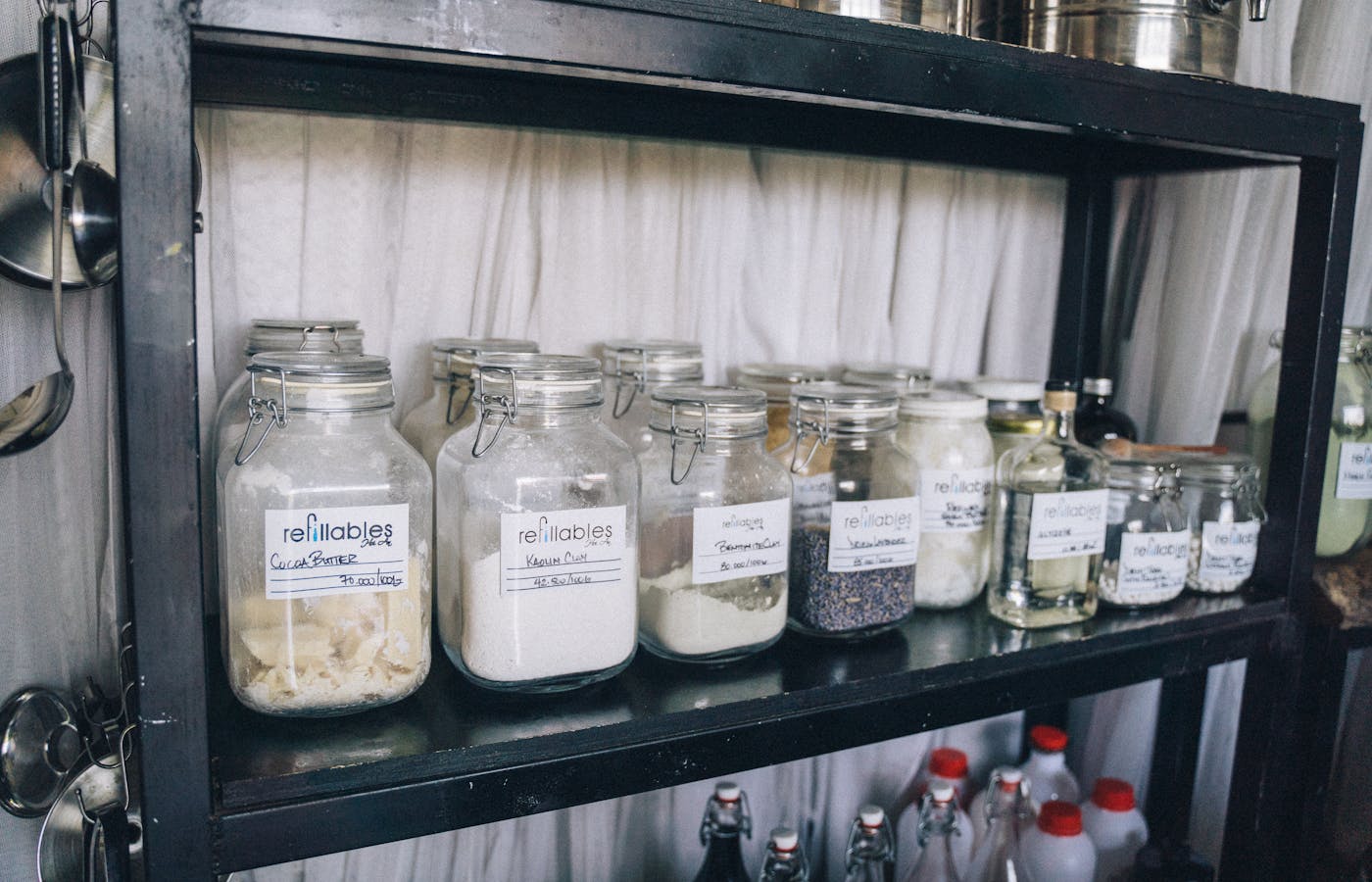
A small pantry can look full even when dinner still feels impossible. The shelves hold rice, pasta, cans, snacks, baking supplies, half-used bags, and the one ingredient you bought twice because the first one was hiding behind cereal. The problem is rarely the size alone; it is usually that the space is asking your eyes to search too hard.
Learning how to organize a small pantry is less about making every shelf beautiful and more about making food visible before it expires. A good pantry tells you what you can cook, what needs to be used soon, and what you should stop buying for a while.
The goal is not to fit the most items into the smallest cabinet. The goal is to make the right items easy to see, reach, and return after a normal week of cooking.
Empty the small pantry only far enough to see patterns
You do not have to turn the whole kitchen upside down to organize a small pantry. If the space is tiny, empty one shelf or one category at a time. Pulling everything out at once can create a bigger mess than the pantry itself, especially if you are working on a weeknight or sharing the kitchen with other people.
Start by removing obvious trash, expired food, empty boxes, and packages with only crumbs left inside. Then group what remains on the counter by how you use it: breakfast, dinner bases, snacks, baking, canned goods, oils, and extras. This first sort shows whether the pantry is crowded because you have too much food, too many duplicates, or simply no clear shelf purpose.
I would not decide on containers yet. At this stage, the pantry is giving you information. Maybe there are six open bags of rice. Maybe snack boxes are stealing the easiest shelf. Maybe baking items live in three different corners even though you only bake once a month.
Create small pantry zones around real cooking habits
Zones work best when they match how food is used in your home. If you cook quick dinners most nights, pasta, rice, canned tomatoes, beans, broth, and seasoning should not be scattered across the pantry. If breakfast is rushed, cereal, oats, nut butter, and coffee refills need a simple place that does not require moving dinner ingredients first.
Think in daily rhythms instead of store categories. A grocery store can separate products because it has aisles. A small pantry needs to support the way a person actually reaches for food while cooking, packing lunches, or making breakfast half awake.
- Keep meal bases together: rice, pasta, grains, tortillas, and noodles.
- Group quick flavor helpers: sauces, broth, canned tomatoes, coconut milk, and seasoning packets.
- Give snacks a visible boundary so they do not spread into every shelf gap.
- Keep baking supplies together even if they are used less often.
- Store backstock behind or above the item already open.
Once the pantry has zones, it becomes easier to notice what does not belong there. Paper plates, rarely used appliances, extra lunch bags, and oversized serving pieces may need another home if food storage is already tight. Pantry categories stay steadier when storage-bin keeps packets, cans, and backups from sliding into mixed piles.
Use the easiest pantry shelf for everyday food
The shelf between shoulder and waist height is usually the most valuable space. Use it for food you reach for several times a week, not for pretty jars that rarely move. In a small pantry, prime shelf space should earn its place through use.
Put breakfast staples, dinner bases, lunch items, and frequently used snacks where they can be grabbed without crouching or stretching. Higher shelves can hold backup items, party supplies, extra paper goods, or seasonal ingredients. Lower shelves can hold heavier cans, sealed drinks, bulk packages, or bins that pull out easily.
This one change can make the pantry feel larger because the daily search path becomes shorter. You are no longer bending around heavy cans to find oatmeal or moving cereal boxes every time you need pasta.
A small pantry feels calmer when the most-used shelf is boringly practical. Save the complicated storage ideas for the areas that need them; everyday food usually needs clear access more than cleverness.
Choose pantry containers after measuring shelf depth
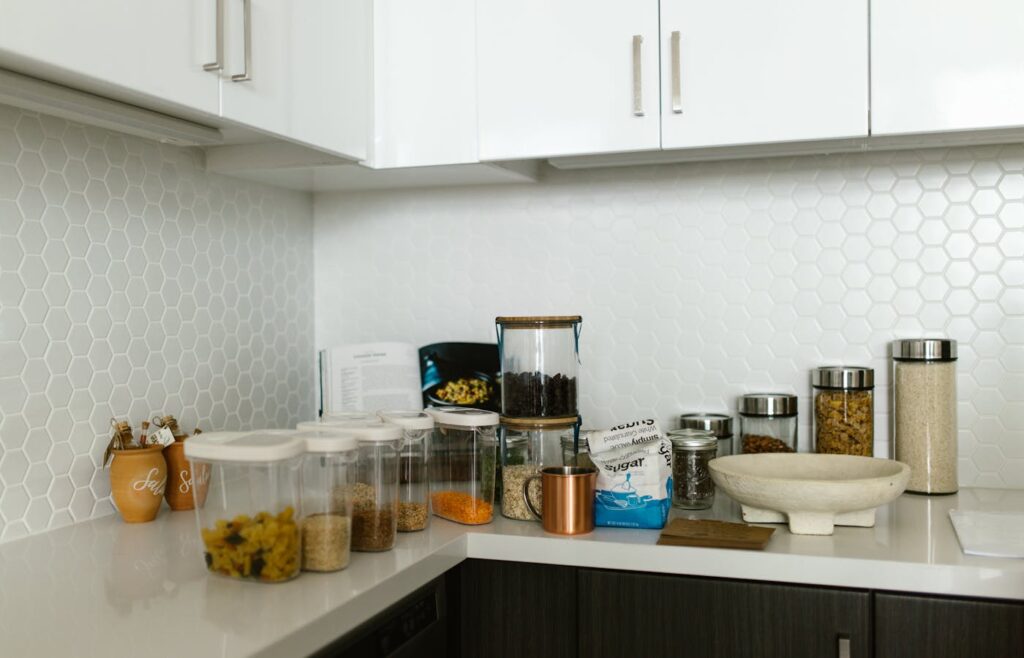
Containers can help a small pantry, but the wrong ones waste space fast. Before buying anything, measure shelf depth, shelf height, and the width of the narrowest cabinet door opening. A container that looks perfect online may not slide in easily, or it may leave a useless gap behind it.
Use clear bins for loose categories like snacks, spice packets, tea boxes, small baking supplies, or lunch add-ons. Use airtight containers only where they solve a real problem, such as floppy bags of flour, sugar, rice, oats, or cereal. Decanting every ingredient can create extra work if the household will not keep it up.
Square and rectangular containers usually use shelf space better than round jars. Shallow bins are better than deep mystery baskets because they let you see what is inside before buying duplicates. If a shelf is very deep, consider one bin in front and backstock behind it, but label the back area clearly.
Make labels plain enough for everyone to follow
Labels are not decoration in a working pantry. They are tiny instructions that help food return to the right place when someone is unloading groceries or cleaning up quickly. The best labels are specific enough to guide behavior but simple enough that nobody has to think twice. A small pantry is easier to use when kitchen-cabinet keeps the same daily-access logic near the cooking zone.
Use labels like pasta, rice, snacks, baking, breakfast, cans, oils, and unopened extras. Avoid labels that sound polished but vague, such as essentials or favorites. Those words may look nice, but they do not tell a tired person where the extra bag of lentils should go.
Labels also help you protect limits. If the snack bin is full, new snacks wait until something is used. If the baking shelf is full, a new bag of sugar should not quietly push pasta into another zone. In a small pantry, labels are partly about location and partly about boundaries.
A label should answer, “Where does this go back?” faster than the clutter can spread.
Control duplicates before they crowd the pantry
Duplicates are one of the biggest reasons a small pantry feels smaller than it is. Buying extra food is not always the problem. The real problem is having open duplicates in several places, or keeping backup items mixed with the foods you are trying to use this week.
Create one backstock area for unopened extras. It can be a high shelf, the back of a deep shelf, a narrow bin, or a separate cabinet if the pantry is truly tiny. The rule is simple: open food lives in the active zone, unopened extras live in backstock. That way, you can shop your pantry before shopping the store.
Before grocery day, check duplicates on purpose. Look for cereal, pasta, rice, beans, sauces, snacks, flour, sugar, broth, and canned tomatoes. If you already have more than one unopened backup, pause that item unless you are planning a specific meal around it.
- Keep one open package in the active zone whenever possible.
- Store unopened backups behind or above the open item.
- Use older food first by placing it in front.
- Write the purchase month on bulk items if they linger.
- Do not let sale items take over shelves used for daily cooking.
Reset a small pantry before grocery shopping
A small pantry stays organized when the reset happens before new food comes home. Ten minutes before grocery shopping can prevent a full weekend project later. The reset does not need to be dramatic; it only needs to restore visibility and remove the items that are blocking decisions.
Use this quick pantry reset:
- Throw away empty packaging and food that is no longer usable.
- Move misplaced items back to their zones.
- Pull older food to the front of each shelf.
- Check the backstock area before adding an item to the grocery list.
- Wipe sticky spots while the shelf is partly clear.
- Choose one ingredient that should be used in the next meal plan.
When you organize a small pantry this way, the system stays connected to cooking instead of becoming a display project. The shelves do not need to be perfect. They need to show what is available, keep the everyday food easy to reach, and stop forgotten ingredients from disappearing behind taller packages.
Start with one shelf if the whole pantry feels crowded. Once that shelf has a clear job, the next shelf becomes easier to judge.