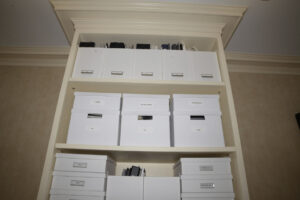
Small Apartment Organization Ideas That Actually Work
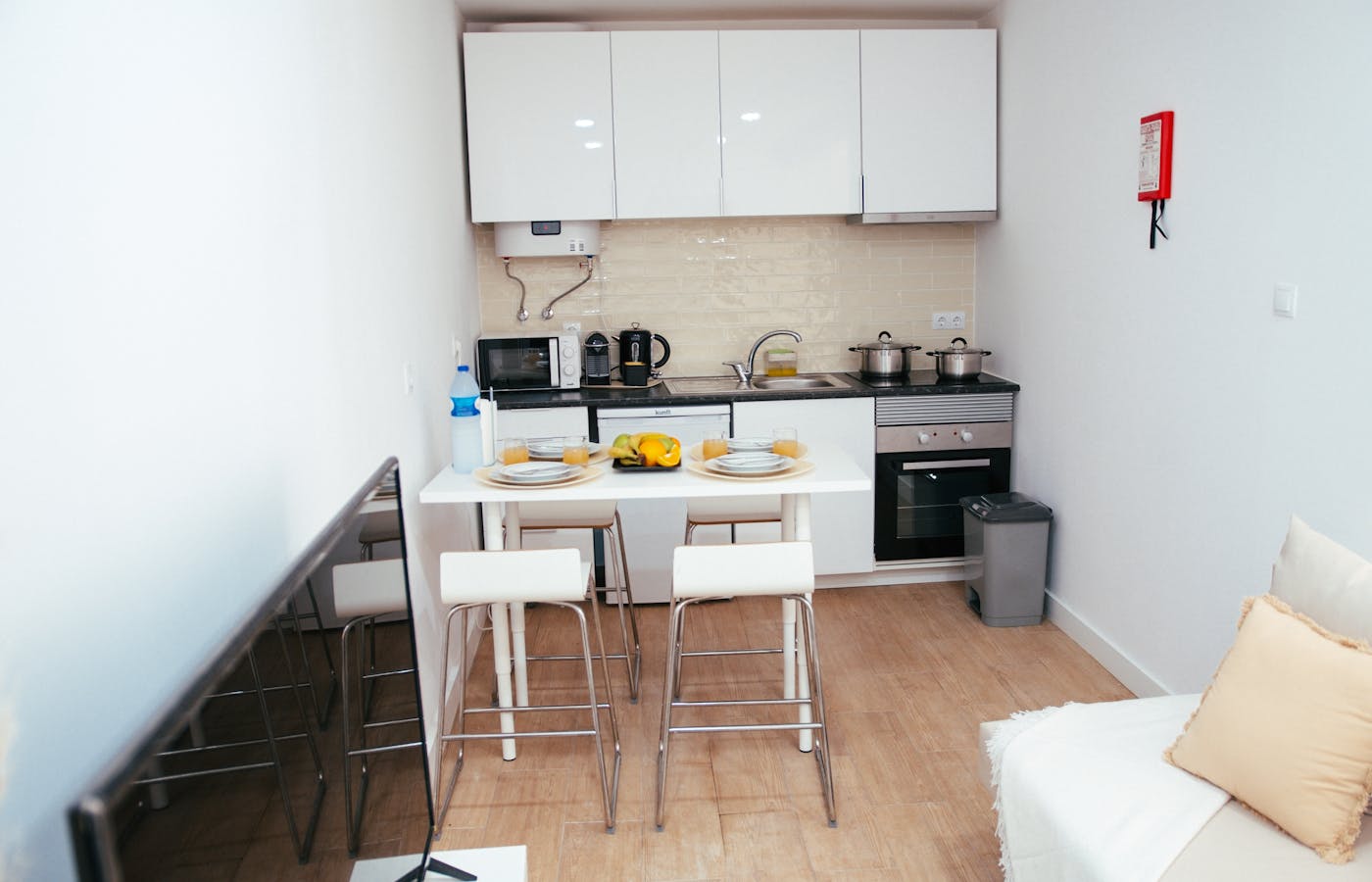
A small apartment does not need to be perfectly minimal to feel organized. It needs clear surfaces, useful storage, and a layout that stops everyday items from landing in the wrong places. When space is tight, the smallest pile can make the whole home feel louder than it really is.
The best small apartment organization ideas are practical enough to survive normal days. They help you cook, get dressed, work, relax, and clean up without moving five things first. I like systems that reduce decisions because small homes become frustrating when every object needs a debate.
Start with the routines that happen every day, then organize around them. A small apartment works better when storage follows real habits instead of a picture-perfect layout.
Map the small apartment by daily zones first
Before buying bins or rearranging furniture, divide the apartment by what actually happens there. Most small apartments need a landing zone, cooking zone, eating zone, work zone, sleep zone, cleaning zone, and storage zone. These zones may overlap, but naming them makes the space easier to manage.
A dining table might also be a desk. A hallway hook might be the entryway. A shelf near the sofa might hold books, chargers, and mail. The point is not to give every routine a separate room. The point is to stop unrelated items from spreading everywhere because they have no clear destination.
Walk through a normal day and notice where things naturally land. Keys, bags, shoes, dishes, laundry, paper, and chargers will show you where the apartment needs better support. Organization starts where clutter repeats.
Keep the apartment entryway from becoming a drop zone
The entryway is often tiny, but it carries a lot of pressure. Shoes, bags, coats, keys, mail, umbrellas, pet gear, and returns can all pile up near the door. If the entry has no system, clutter enters the apartment before you do.
Choose one narrow solution that fits the wall or floor space you truly have. A wall hook, small tray, slim shoe rack, over-door hook, or single basket can be enough. Avoid turning the entry into a storage closet. It should hold daily exit-and-return items, not everything that has nowhere else to go.
If packages, returns, or reusable bags often wait by the door, give them a separate temporary spot with a clear limit.
The entryway should answer one question quickly: what do I need when I leave? If it answers that question, it is doing its job.
Protect open floor space in every small room
Floor space is what makes a small apartment feel usable. Even a well-decorated room can feel cramped if baskets, boxes, stools, and side tables block the path. Before adding storage, check whether the floor is already doing too much work.
Move storage upward, inward, or behind doors when possible. Keep walking paths clear between the bed, sofa, kitchen, bathroom, and door. A small apartment does not need empty rooms, but it does need enough open floor for movement to feel easy.
Be especially careful with temporary piles. A bag waiting by the door, laundry beside the closet, or packages near the sofa can become part of the room if it stays too long. Give temporary items a time limit or a specific holding spot.
Choose vertical storage that stays easy to reach
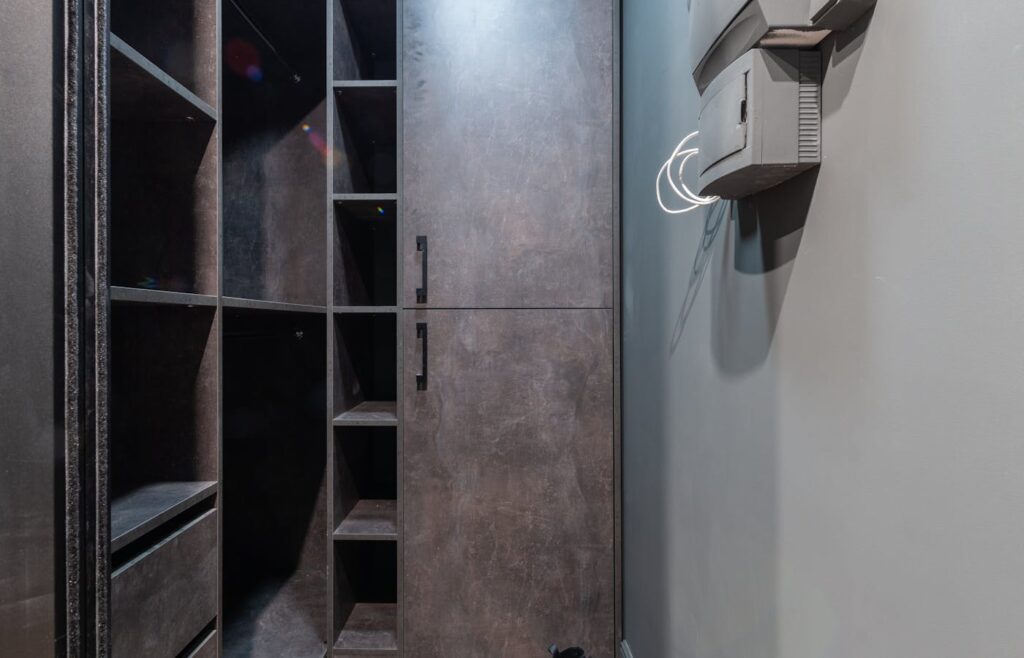
Vertical storage helps small apartments because walls often have more available space than floors. Tall shelves, wall hooks, floating shelves, door racks, and stackable containers can all create useful storage without widening the furniture footprint. The trick is keeping the most-used items within comfortable reach.
Store daily items between waist and eye level when possible. Put seasonal, backup, or rarely used items higher. If the top shelf needs a step stool every day, it will become annoying quickly. Vertical storage earns its place when it supports the routine instead of turning every task into a climb.
Leave some visual breathing room. A wall filled from corner to corner can make a small apartment feel crowded even when it technically stores more. Mix closed containers, open shelves, and empty space so the room still feels calm.
Use closed storage for visually noisy items
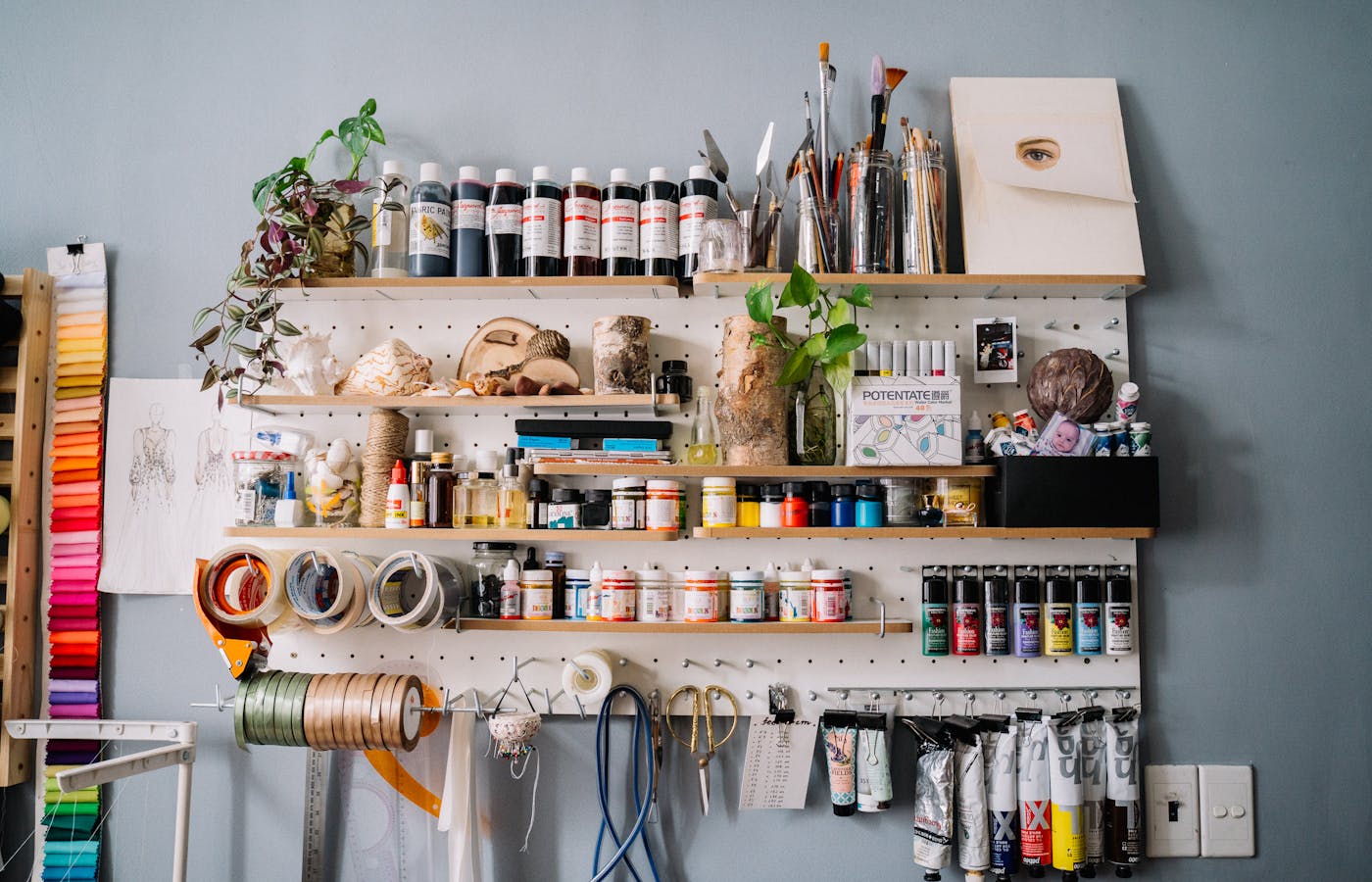
Open storage is useful for attractive or frequently used items, but not everything deserves to be visible. Cords, cleaning products, paper piles, medicine, extra toiletries, craft supplies, and random tools can make a room look messy even when they are grouped neatly. Closed storage gives the eye a place to rest.
Cabinets, lidded boxes, drawers, fabric bins, and baskets with lids are helpful in small apartments because they reduce visual clutter. Use them for categories that look chaotic in the open. Keep labels simple enough that you will still use the system after the first week.
This does not mean hiding everything. Visible shelves can hold books, plants, dishes, or daily tools. The balance matters: display what looks intentional, contain what looks busy, and keep the easiest access for what you use most.
Make furniture earn more than one job
Small apartments benefit from furniture that works harder without making the room feel packed. A storage bench can hold shoes or blankets. A bed with drawers can replace a dresser. A coffee table with a lower shelf can hold remotes and magazines. A narrow console can become an entry spot, desk edge, or dining support.
Choose multi-use furniture based on real needs, not cleverness. A folding desk is useful if you actually fold it. A storage ottoman is helpful if it opens easily. A sofa bed is worth it only if guests or sleeping flexibility matter. Complicated furniture that is awkward to use often becomes expensive clutter.
In a small apartment, the best furniture solves a recurring problem without creating a new obstacle.
Sort storage by frequency instead of category only
Many people organize by category: all linens together, all tools together, all papers together. That can work, but small apartments often need one more layer: frequency. The items used daily should be easiest to reach, even if that separates them from the larger category.
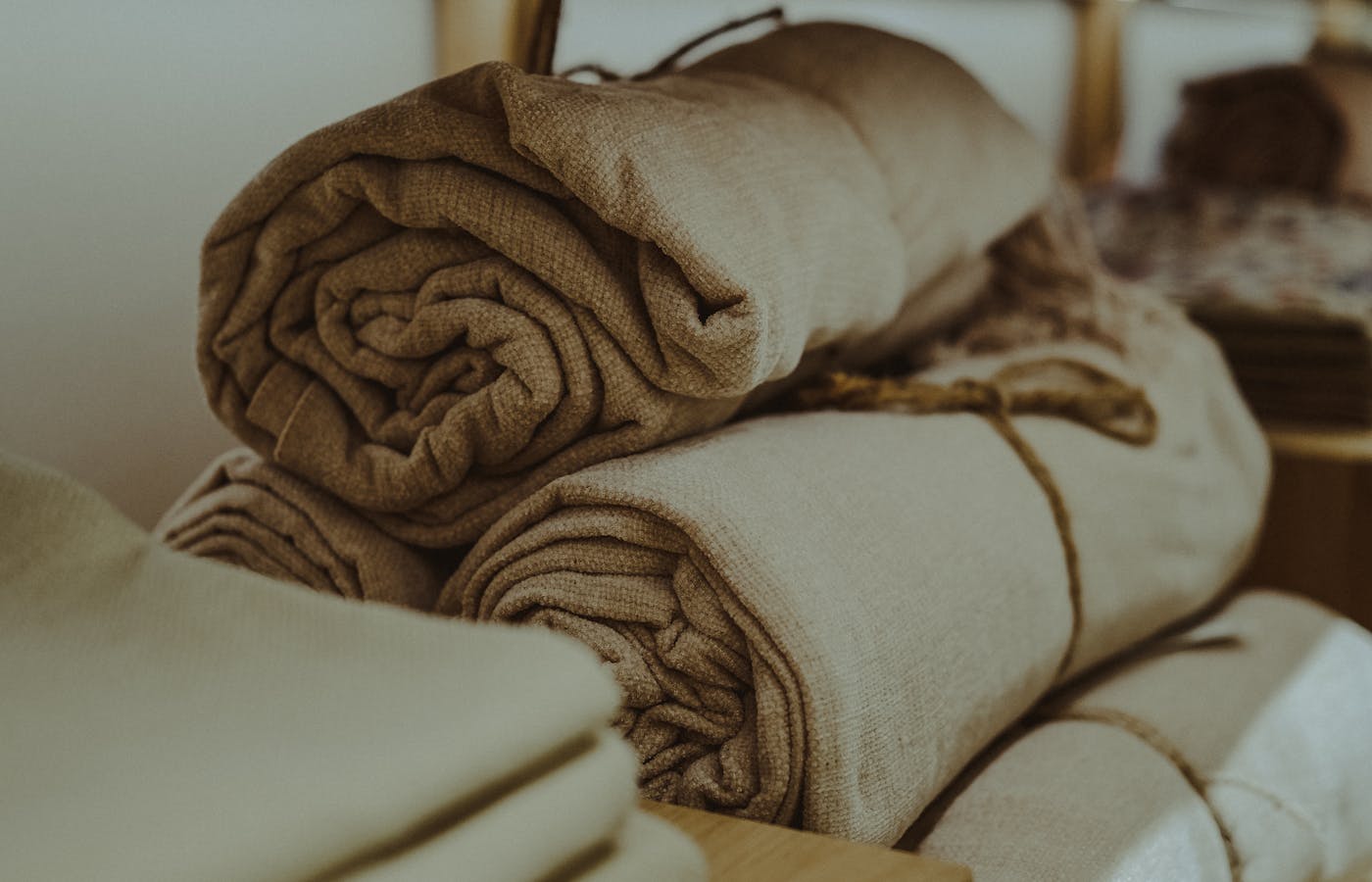
For example, one cleaning spray and cloth may belong under the kitchen sink if you wipe the counter daily, while backup supplies can live elsewhere. A few everyday towels can stay in the bathroom, while extra linens can go under the bed. The apartment should support daily use before it supports perfect category purity.
- Keep daily items in the easiest drawers, shelves, or hooks.
- Move weekly items to secondary storage.
- Store seasonal items higher, lower, or farther away.
- Separate backups from active supplies.
- Review prime storage spots when clutter returns.
Control paper and small items before they spread
Small items are often the real source of apartment clutter. Mail, receipts, batteries, cords, sunglasses, pens, coupons, keys, and loose hardware can scatter across surfaces because each one seems too small to matter. Together, they make every table look unfinished.
Create one small-item station near the place where these things usually land. Use a tray, drawer, divided box, or compact basket. Then give it limits. If the tray fills, it is time to sort, file, recycle, return, or throw things away. A container without a limit becomes a junk drawer with better lighting.
Paper needs a short path too. Keep only active papers visible: bills, forms, invitations, or documents that need action. Archive or discard the rest quickly. A small apartment does not have enough surface area for paper to wait indefinitely.
Reset the apartment with a short weekly pass
Organization in a small apartment is not a one-time project. Because every surface is close to daily life, clutter shows up quickly. A short weekly reset keeps the system from collapsing and helps you notice which storage choices are not working.
Pick one repeatable order: entryway, surfaces, dishes, laundry, trash, paper, and floors. This pass does not need to deep-clean the apartment. It only needs to put things back where the next week can begin with less resistance.
- Return items that belong in another zone.
- Clear the main table, counter, and sofa area.
- Empty the small-item tray before it overflows.
- Move backups out of prime storage spots.
- Adjust one system that created friction.
Small apartment organization ideas are strongest when they protect the space you use most: the path through the room, the surface where you work, the spot where you cook, and the place where you rest. Keep those areas easy, and the whole apartment starts to feel more generous.