How to Organize a Studio Apartment
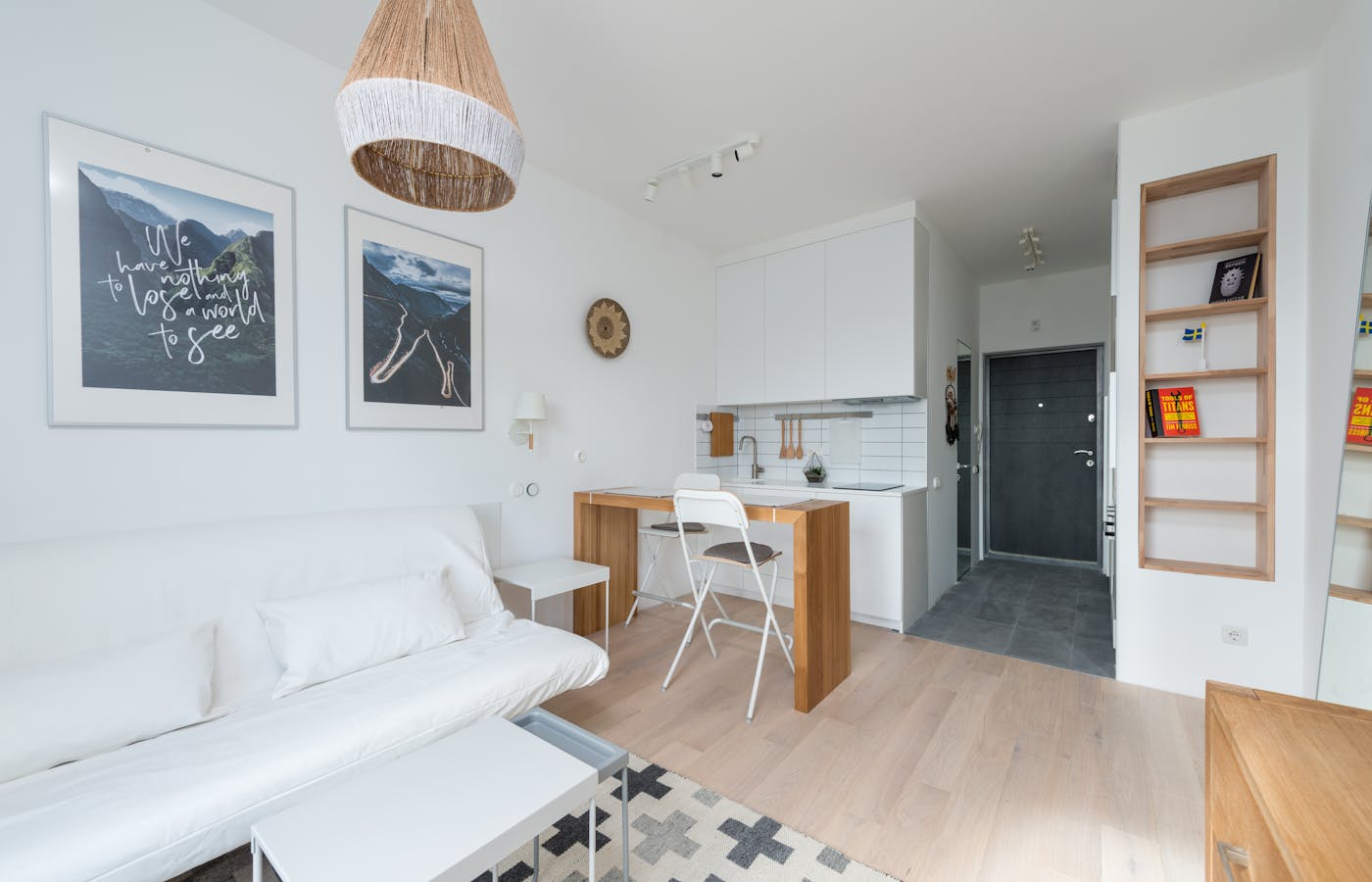
A studio apartment asks one room to do too many jobs. It has to hold sleep, meals, clothes, work, rest, storage, guests, and the ordinary mess of living. When there are no extra rooms to hide clutter, even a small pile can make the whole apartment feel unfinished.
Learning how to organize a studio apartment starts with giving each part of the room a clear job. You may not have walls, but you can still create zones, decide what belongs in each zone, and stop every surface from becoming a shared drop spot.
The goal is not to make a studio look empty. The goal is to make the space easy to read, easy to reset, and comfortable enough to live in without feeling like every object is on display all day.
Start with the daily path through the studio
Before buying storage, walk through a normal day in the apartment. Where do keys land? Where do shoes come off? Where does laundry pile up? Where do dishes wait? Where do you put a laptop when you are done working? Those everyday paths show where organization is needed most.
A studio apartment often feels messy because the same path is used for several routines. The entry path crosses the kitchen. The bed is beside the desk. The sofa is also the guest area. Instead of fighting that, name the pressure points and make each one easier to finish.
Start with the first five minutes after coming home and the last ten minutes before bed. If those two moments work better, the whole studio usually feels calmer. Hooks by the door, a narrow shoe tray, one laundry basket, a real trash spot, and a place for daily bags can remove a surprising amount of visual clutter.
Create zones without blocking all the light
Zones help a studio apartment feel less like one big storage room. You can create a sleeping zone, entry zone, kitchen zone, work zone, and sitting zone without building walls or making the apartment feel smaller. The trick is to use low, light, or useful boundaries.
A rug can define the sitting area. A small shelf can separate a bed from a desk. A curtain can soften the sleeping area. A narrow console can mark the entry. Even turning furniture slightly can tell the eye where one activity ends and another begins.
Be careful with heavy dividers in a small studio. If a divider blocks light, airflow, or walking space, it may create more problems than it solves. Choose boundaries that guide behavior rather than trap the room into smaller, darker pieces.
- Use rugs to mark living and sleeping areas.
- Place open shelving where it can store and divide at the same time.
- Keep tall pieces near walls when possible.
- Leave a clear walking path from the door to the main zones.
- Use curtains only where softness or privacy is worth the visual weight.
Give the bed area a clean edge
The bed is usually the largest visual object in a studio apartment. If the bed area looks messy, the whole room can feel messy even when everything else is fine. A clean edge around the bed makes the apartment feel more intentional.
Use closed storage under the bed if you need it, but keep it controlled. Under-bed storage is most useful for seasonal clothes, extra bedding, or items you do not reach for daily. If you have to pull out three bins every morning, the storage is probably fighting your routine.
Keep the bedside area simple. A small nightstand, wall shelf, or narrow rolling cart can hold the few things you actually use at night. Avoid letting books, chargers, cups, laundry, and paperwork gather there together. In one-room living, the bed should not become an office, closet, and storage bench at the same time. Small-space organization works better when small-apartment organization ideas keeps storage useful without making the room feel crowded.
Make the kitchen zone compact but complete
In a studio, the kitchen is often visible from the bed and sofa. That means kitchen clutter does not stay in the kitchen; it changes the feeling of the whole apartment. A compact kitchen zone needs clear limits for dishes, food, tools, and counter space.
Keep everyday cooking tools close to where they are used. Store duplicates, special pans, extra mugs, and rarely used gadgets higher, lower, or outside the easiest cabinets. If the counter is tiny, give it one job at a time: prep, cook, clean, or serve. Leaving appliances out by default can take away the only useful workspace.
Use vertical space carefully. A rail, magnetic strip, wall shelf, or cabinet organizer can help, but too many exposed items can make a small kitchen look busy. Choose the tools worth seeing and hide the rest behind doors when possible.
Choose furniture that earns its floor space
Every furniture piece in a studio apartment should earn the space it takes. That does not mean everything has to be tiny. It means furniture should support the way you actually live. A comfortable sofa may matter more than a dining table if you rarely sit down for formal meals.
Look for pieces that solve more than one problem without becoming awkward. A storage ottoman can hold blankets. A small table can work for meals and laptop time. A bed frame with drawers can replace a dresser. A bench near the door can hold shoes and help with the entry routine.
Multipurpose furniture is only useful when both purposes are easy to use. A table that technically folds but is annoying to open may become clutter. A storage bed that requires moving the mattress may not help with daily items.
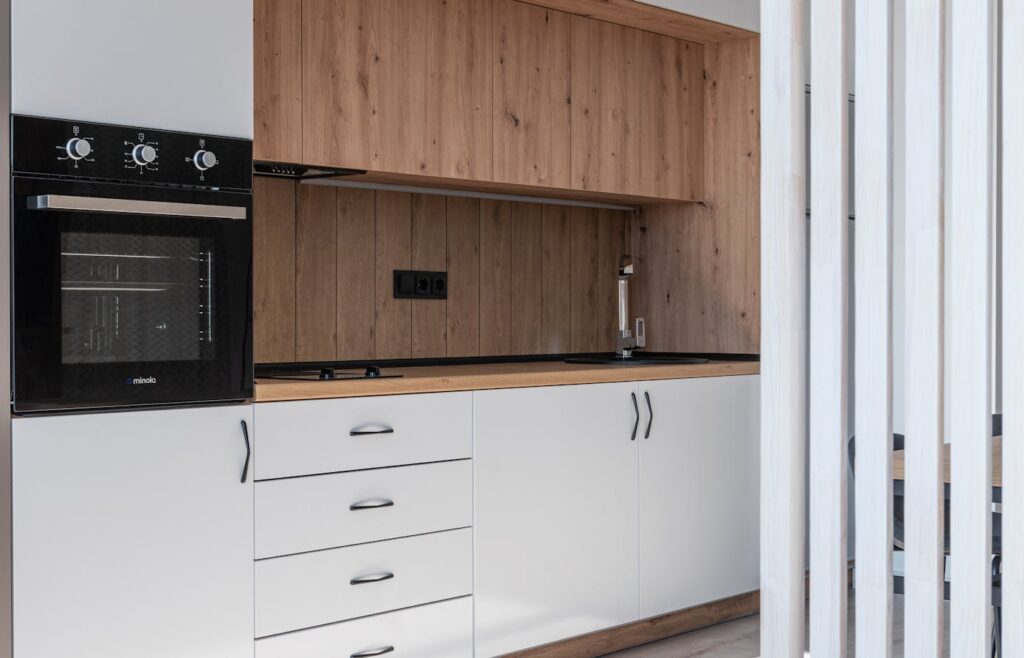
Control visual clutter with fewer open surfaces
Open surfaces are dangerous in a studio because they collect unrelated items quickly. A dresser top can become an entry table. A desk can become a pantry. A kitchen counter can become a mail station. The fewer undefined surfaces you have, the easier the apartment is to reset.
Assign each surface a narrow job. The entry surface holds keys and one tray. The desk holds work tools. The kitchen counter stays ready for food. The nightstand holds sleep items. If a surface keeps collecting random objects, it may need a basket nearby, a hook, a drawer organizer, or a rule about what cannot live there.
- Keep one tray for daily pocket items.
- Limit decorative objects on work and kitchen surfaces.
- Use closed bins for mixed categories that must stay nearby.
- Move paperwork away from food prep areas.
- Clear the largest visible surface before bed.
A studio apartment stays calmer when every flat surface has fewer jobs.
Reset the studio apartment in one short loop
A studio apartment does not need a complicated cleaning routine to feel organized. It needs a short reset that touches each zone before clutter spreads. Because everything is close together, a ten-minute loop can change the whole room.
Use this simple reset:
- Start at the entry and put away shoes, bags, and keys.
- Move dishes and food items back to the kitchen zone.
- Clear the bed area of clothes, cups, and paperwork.
- Return work items to the desk or work bin.
- Put loose laundry into one basket.
- Clear the largest visible surface last.
When you organize a studio apartment around real routines, the space stops feeling like one overloaded room. The zones do not have to be perfect or permanent. They just need to make daily life easier to start, pause, and reset.
Begin with the path you use most often. Once that path is clear, the rest of the studio becomes much easier to organize without adding more furniture than the room can carry.