How to Create a Storage System That Lasts

A storage setup can look tidy for a weekend and still fall apart a month later. That usually happens when the containers look good, but the system does not match how the home is actually used. A lasting storage plan needs places that are easy to reach, labels that make sense, and limits that stop categories from spreading into every spare corner.
The goal is not to buy more bins. It is to make each item easier to put away than to leave out. When storage supports daily habits, the house needs fewer emergency cleanups and fewer “where did I put that?” searches.
A home storage system needs to answer three questions: where does this live, how much of it can we keep, and how easy is it to return after use?
Start your home storage system with real daily habits
A lasting storage system starts with observation. Before moving shelves, buying containers, or printing labels, notice where things naturally land. Shoes may pile up near the door. Mail may drift to the kitchen counter. Cleaning supplies may collect under two sinks because different rooms need them. These landing spots show how the home is already functioning.
Instead of fighting every habit, build storage close to the habit. If bags land by the entry, add hooks or a small shelf there. If blankets move between the sofa and bedroom, give them a basket near the sofa instead of a closet across the house. Storage fails when the correct place is too far from the moment of use.
This is also where household input matters. A system one person understands but nobody else follows will not last. Ask what feels annoying, what gets lost, and which items are used most often. The answers may be simple, but they point to the areas that need the clearest homes.
Start with the mess pattern, then design the storage around it. That keeps the system grounded in real life instead of showroom logic.
Build storage zones before choosing containers
Zones make storage easier because they group items by purpose, not just by shape or size. A cleaning zone can hold sprays, cloths, gloves, and refills. A paperwork zone can hold incoming mail, action papers, stamps, and folders. A seasonal zone can hold decor, extra linens, and off-season items. Each zone should have a reason.
Good zones also reduce duplicate purchases. When batteries, tape, light bulbs, or spare toiletries live in one area, it is easier to see what you already own. Without zones, small items scatter into drawers, closets, and baskets until the home has five half-used supplies and none are easy to find.
Do not make too many zones at once. Start with the categories causing the most friction. Entry items, cleaning supplies, paperwork, bedding, tools, pantry overflow, and seasonal decor are common candidates. Once those zones work, smaller categories become easier to handle.
Zones should be visible enough to maintain. If you need to unload three boxes to reach something used every week, the zone is in the wrong place. Keep frequent-use zones at arm level and reserve high, low, or remote storage for items used rarely.
Use a storage system table to match items with access
A simple table can prevent a common mistake: storing everything with the same level of effort. Daily items need open or easy access. Weekly items can live in drawers or baskets. Seasonal items can go higher, deeper, or farther away. When access matches use, the system feels natural instead of strict.
| Item type | Best storage style | Why it lasts |
|---|---|---|
| Daily items | Hooks, trays, open bins, front shelves | They are quick to return after use |
| Weekly items | Labeled baskets, drawers, shallow bins | They stay contained but still easy to reach |
| Monthly items | Closed bins, upper shelves, grouped boxes | They are protected without taking prime space |
| Seasonal items | Clear bins or labeled boxes in remote storage | They stay findable during specific times of year |
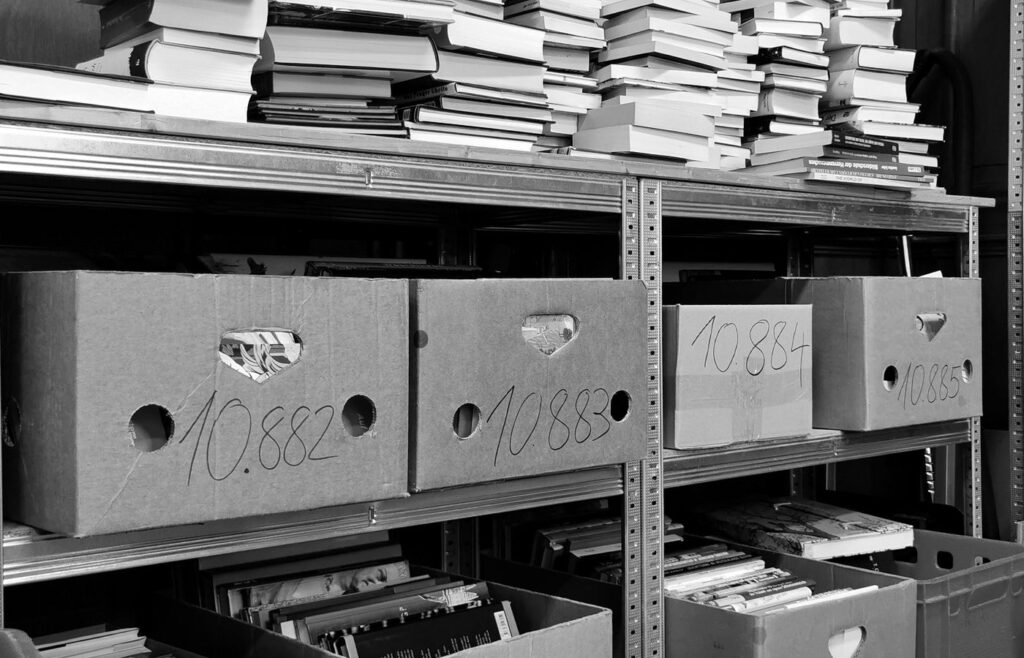
The table also helps when a container looks attractive but does not fit the job. A lidded box may be useful for holiday decor, but frustrating for school papers used every morning. An open basket may work for blankets, but not for small batteries or cords. Match the container to the behavior you want.
Think about weight too. Heavy items should not live in high bins. Fragile items should not be buried under bulky storage. The storage system should protect both the items and the person using it.
Limit every storage category so clutter cannot expand
A storage system that lasts needs limits. Without limits, containers become permission to keep more. One bin for extra cords turns into two. One shelf for backup toiletries spreads into a closet. One basket for craft supplies grows until nobody knows what is inside. Limits make the system easier to maintain.
The container can become the boundary. If extra towels do not fit in the assigned shelf, choose which towels stay instead of adding another overflow spot. If the paperwork tray is full, process it before creating a second pile. This approach is simple, but it keeps storage from becoming delayed decluttering.
- Give each category one clear home.
- Choose a container size before the category expands.
- Keep overflow visible so it gets handled.
- Review duplicate items before buying more.
- Remove items that no longer fit the household routine.
Limits should feel practical, not harsh. A family may need more backup supplies than one person in a small apartment. The point is to choose the limit on purpose, not let it happen by accident.
If a category keeps breaking the limit, do not add storage immediately. First check whether the category is too broad, whether old items need to leave, or whether the container is sitting too far from the place where the items are used. That same decision is easier to maintain when seasonal-storage gives the storage step a clearer place in the room.
Label storage in words your household will use
Labels help only when they are clear to the people using the space. A label that says “miscellaneous” will attract random clutter. A label that says “charging cords,” “winter gloves,” “light bulbs,” or “bathroom refills” gives the category a real boundary. Clear words reduce guessing.
Use everyday language instead of overly formal categories. If everyone in the home says “dog towels,” use that phrase. If a child recognizes “school papers” faster than “documents,” label it that way. The best label is the one that makes putting items away easier without explanation.
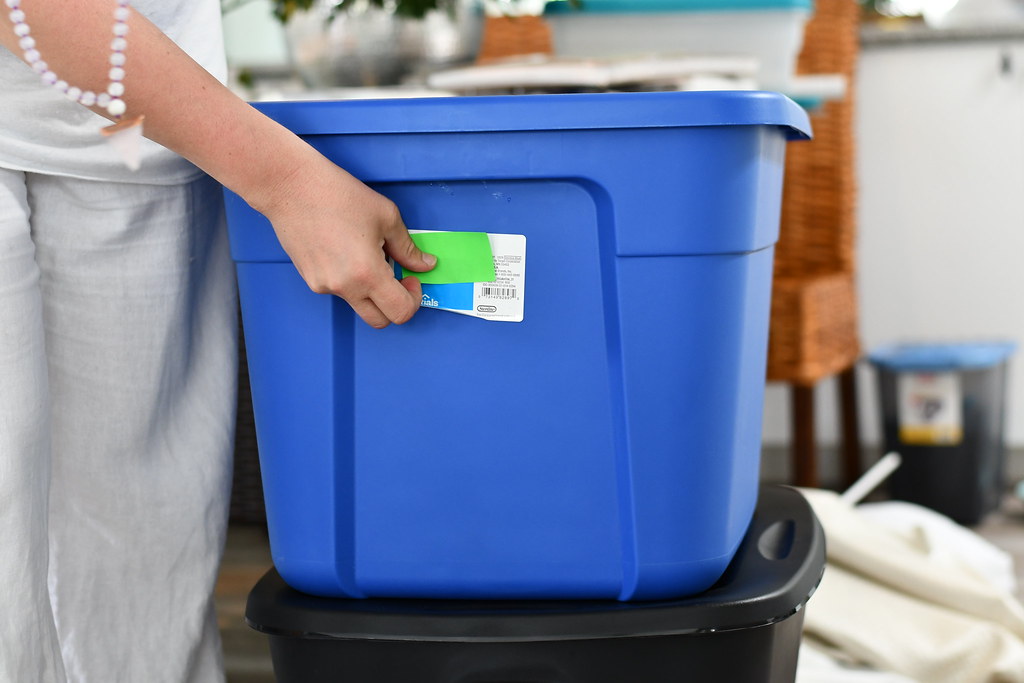
Labels can be simple. Painter’s tape, adhesive labels, clip tags, chalk labels, or paper slips in label holders can all work. The format matters less than consistency. Put labels where people can see them before opening the bin or drawer.
Review labels after a few weeks. If a bin keeps collecting the wrong items, the label may be unclear, the category may be too broad, or the container may be in the wrong place. A lasting system is allowed to adjust.
For shared spaces, labels are also a quiet way to remove decision fatigue. Nobody has to remember your private logic if the shelf, bin, or drawer already explains what belongs there.
Keep the storage system alive with small resets
Even a strong storage system needs maintenance. Homes change. Seasons change. New items arrive. Kids grow. Hobbies shift. A system that never gets reviewed eventually stops matching the household. The fix is not a full reorganization every time; it is a short reset before clutter spreads.
Use small resets at natural moments: before grocery shopping, after laundry, before seasonal decor comes out, after school paperwork piles up, or before guests arrive. These resets return items to their zones and reveal which categories are outgrowing their limits.
- Return stray items to their assigned zones.
- Empty one overflow basket before it becomes permanent.
- Check whether labels still match the contents.
- Move rarely used items out of prime storage.
- Remove broken, expired, or unused items during the reset.
A home storage system lasts when it is easy to repair. If a messy week destroys the whole setup, the system was too fragile. If ten minutes can bring it back, the storage is doing its job.
That repair mindset matters more than a spotless finish. Storage should absorb normal life, then give you a clear path back to order when the week gets busy.