Under-Bed Storage Ideas That Do Not Look Messy
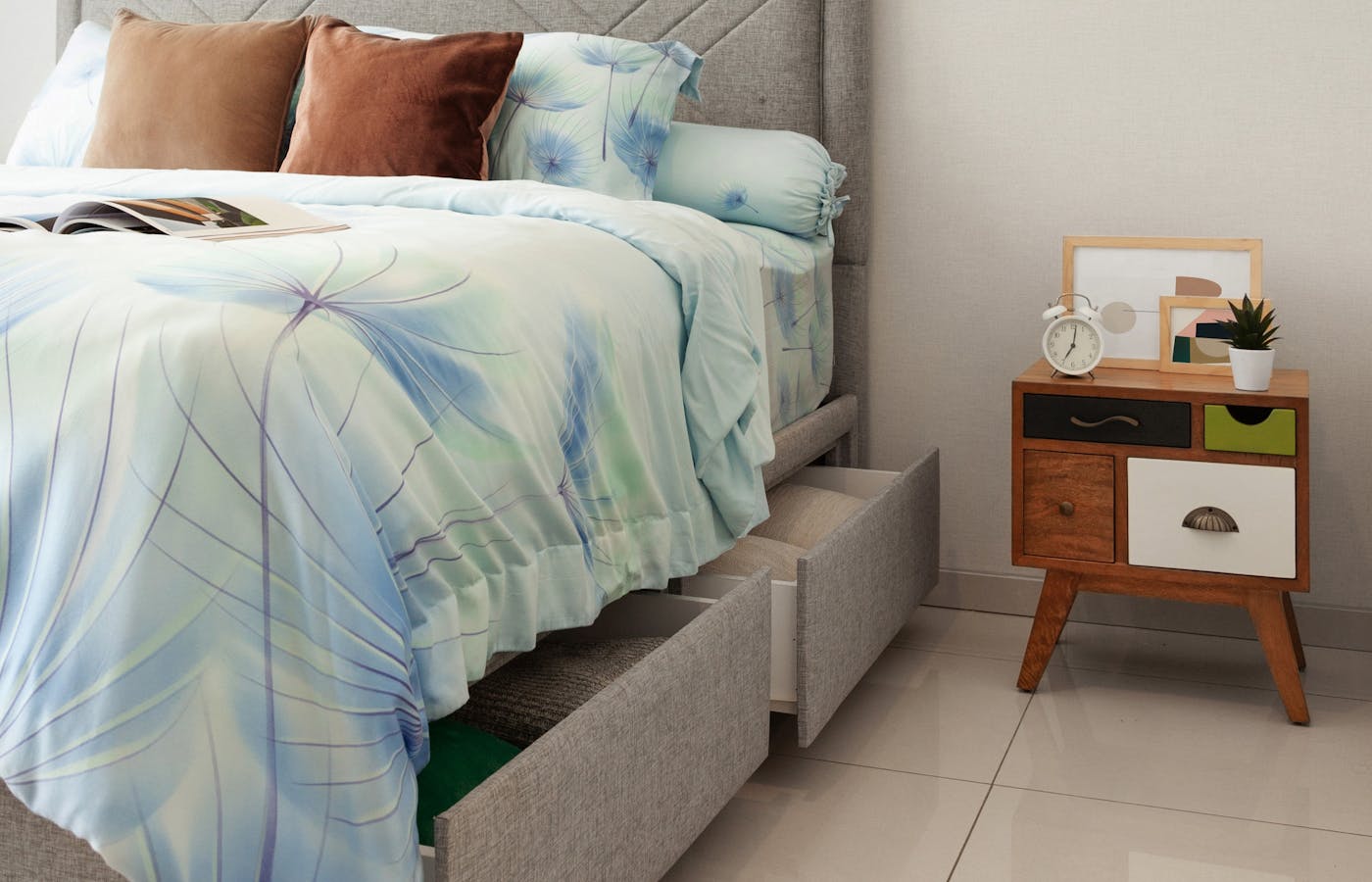
The space under the bed can either help a bedroom feel calmer or quietly become the place where forgotten things go to disappear. The difference is not just the container. It is what you choose to store there, how often you need it, and whether the storage can be reached without turning the room into a project.
Good under bed storage ideas start with the shape of the bed and the habits of the person using the room. A shallow drawer, a rolling bin, a zipped fabric case, or a simple flat box can all work if the contents are limited and easy to identify.
The goal is hidden storage that still behaves like real storage. If you have to drag out five dusty bins to find one sweater, the space is not working yet.
Measure the space before choosing containers
Under-bed storage fails quickly when the container is almost the right size. Measure the height from the floor to the lowest part of the bed frame, then measure the depth you can actually reach. A bin that fits on paper may still be annoying if it hits a bed leg, rug edge, outlet, or nightstand.
Leave a little clearance instead of filling every inch. Fabric cases can bulge when they hold bedding or sweaters. Plastic lids need room to slide. Rolling bins need a path that is not blocked by a rug. The easier the container moves, the more likely you are to use it instead of ignoring it.
I would also check which side of the bed has better access. In a small bedroom, one side may be against a wall, near a dresser, or too tight for a long drawer. Store the most-used categories on the side that opens without moving furniture.
Choose categories that belong under the bed
The best under-bed categories are useful but not daily. Seasonal clothes, extra bedding, guest linens, spare blankets, shoes for occasional outfits, gift wrap, memory boxes, and travel items can all work. Daily clothes, current paperwork, open toiletries, and random “decide later” items usually do not belong there.
Under-bed space is low and hidden, so it rewards clear limits. If everything that has no home goes under the bed, the room may look cleaner for a week, but the storage will become a mystery layer. Give each container one job, then stop when that job is full.

- Good fit: seasonal sweaters, extra sheets, guest towels, spare shoes, and travel bags.
- Risky fit: paperwork, loose cords, sentimental piles, unfinished projects, and items needed every morning.
- Bad fit: food, damp items, open cleaning products, and anything that attracts dust or pests.
Use drawers when the storage is part of daily life
Built-in drawers or rolling drawers are useful when the items need to be reached often. They work well for pajamas, workout clothes, extra towels, children’s clothes, or shoes in a bedroom without much closet space. Because the drawer pulls straight out, the contents feel more like furniture storage than forgotten backup storage.
Drawer storage should stay simple inside. Use small fabric dividers, shallow boxes, or folded rows so the drawer does not become a flat pile. If everything slides around when the drawer moves, add a few soft boundaries. The goal is to open the drawer and see the category without digging.
Keep heavy items out of flimsy drawers. Books, tools, and dense keepsakes can make low drawers hard to pull and may strain the frame. Under-bed drawers are better for soft or moderately light categories unless the furniture was built for heavier storage.
Pick lidded bins for seasonal items
Lidded bins are better for items that wait for months. Seasonal bedding, winter accessories, holiday pajamas, costume pieces, or off-season shoes need protection from dust. Clear plastic makes scanning easier, while opaque bins can look quieter if the side of the bed is visible.
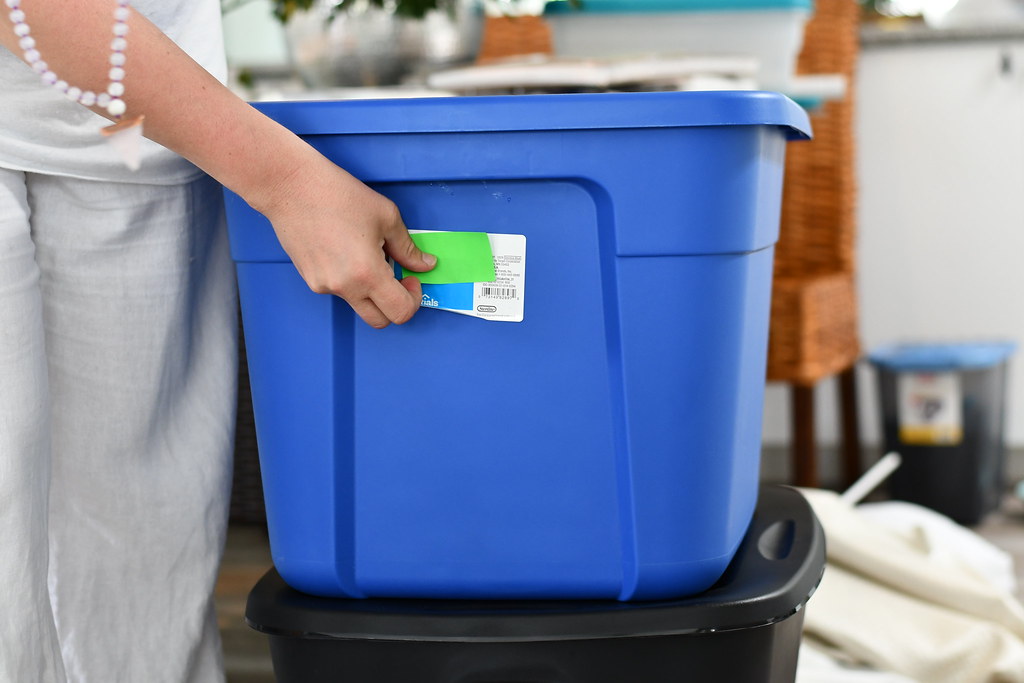
The label matters more than the container style. Use specific labels such as “winter scarves,” “guest sheets,” “summer shoes,” or “holiday linens.” Vague labels like “extra stuff” will not help later. Put the label on the short side that faces out so you do not have to pull every bin to read it.
Hidden storage still needs a visible answer. If the label cannot tell you what is inside in three seconds, it is not doing enough work.
Keep the visible edge quiet
Under-bed storage looks messy when the room can see too much of it. Even if the contents are organized, mismatched bins, bright labels, bulging fabric, and exposed clutter can make the bed area feel crowded. The visible edge deserves as much attention as the inside of the container.
If the bed frame exposes everything, choose containers in similar colors or use a bed skirt that still allows easy access. If you prefer no bed skirt, keep the containers low, simple, and aligned. A row of matching neutral bins can look intentional; a mix of bags and broken boxes rarely does.
Do not hide difficult storage behind a decorative solution that makes access worse. If lifting a bed skirt or wrestling with a tight lid becomes annoying, the system will fade. Quiet-looking storage should still be easy to open.
Protect fabric, bedding, and keepsakes from dust
Dust is the practical problem under the bed. Soft items need more protection than hard items. Use zipped fabric bags, lidded bins, or clean cotton storage bags for bedding and clothes. Avoid storing anything slightly damp, because low hidden spaces do not forgive moisture.
For keepsakes, use smaller containers instead of one large emotional box. Photos, letters, children’s items, and memory pieces are easier to protect when the category has a size limit. A smaller box also makes the decision more thoughtful: only the pieces that matter most get the protected space.
Vacuum or sweep under the bed before loading storage, then add the cleaning task to a realistic schedule. It does not need to happen every week, but it should not wait until the next move.
Build a simple under-bed storage setup
A good setup starts with fewer categories than you think. Choose the items that genuinely belong under the bed, choose containers that fit without scraping, and leave room to pull them out. The space should help the bedroom breathe, not absorb every undecided object.
- Measure height, depth, and the easiest access side.
- Choose two or three categories that are useful but not daily.
- Pick drawers for frequent use or lidded bins for seasonal storage.
- Label the side that faces out.
- Leave a small gap so containers slide without a fight.
- Vacuum the area before putting everything back.
This setup is especially helpful in small bedrooms because it gives storage a boundary. When the containers are full, the category is full. That simple limit prevents the hidden space from becoming a second closet with no rules.
Review the space before it becomes a hiding spot
Under-bed storage should be reviewed a few times a year, especially before seasonal changes. Pull out one container at a time and ask whether the category still makes sense. If a bin has not been opened for a year, the issue may not be storage. It may be that the items are no longer needed.
Use the review to remove duplicates, damaged bedding, shoes that hurt, clothes that no longer fit, and keepsakes that do not feel meaningful. Then return only the items that still have a clear reason to stay. The storage becomes lighter without requiring a full bedroom makeover.
- Remove anything that belongs in daily storage.
- Donate or recycle items that no longer fit the category.
- Replace torn boxes or broken lids.
- Check for dust, moisture, or pests.
- Update labels when the contents change.
Under-bed storage is strongest when it stays boring in a good way: measured, labeled, limited, and easy to reach. Use it for categories that need a quiet home, protect soft items from dust, keep the visible edge tidy, and review the space before it turns into a hiding spot.