How to Use Vertical Storage in Small Spaces
Published Updated

I bring a warm, detail-oriented eye to home routines, decluttering ideas, and everyday ways to make a space feel easier to live in.
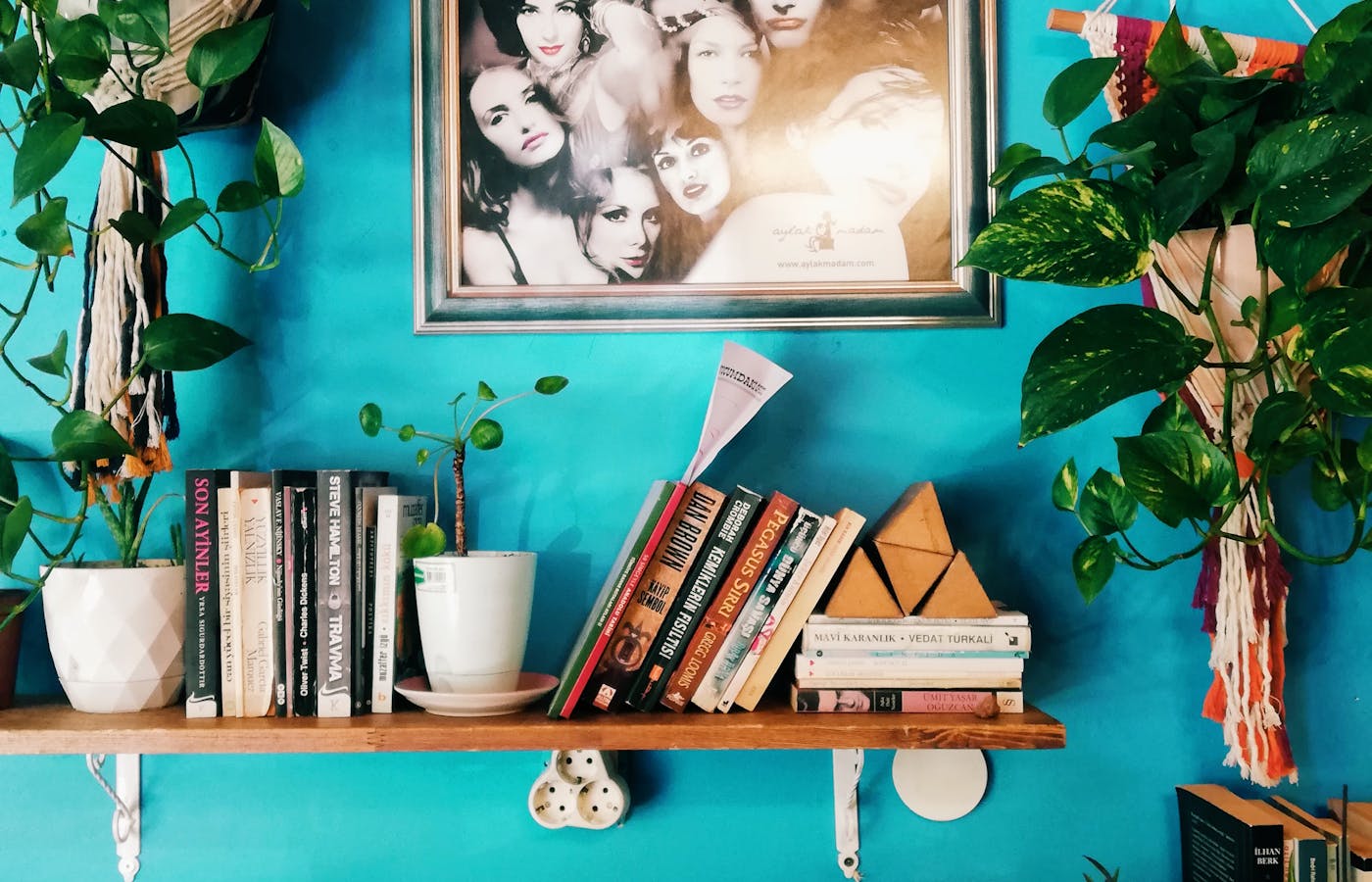
Shoes, bags, books, and spare blankets can fill the floor of a small room even when the walls have usable space. Vertical storage may help clear a particular pile, provided the wall or furniture can support the storage unit safely and the contents remain easy to reach.
Begin with the items you want off the floor. Choose a storage location near their daily use and check its installation requirements before buying shelves or hooks.
Start with the floor space you want back
Before buying shelves or hooks, look at the part of the room that feels most crowded from the ground up. In a small entryway, that may be shoes and bags. In a bedroom, it may be laundry, books, or folded clothes without a clear home. In a bathroom, it may be towels, hair tools, and extra products sitting around the sink.
Choose one floor problem first. Vertical storage is more useful when it solves a visible pressure point instead of becoming a random collection of wall pieces. If the floor near the bed is full of books, a narrow wall shelf makes sense. If the kitchen counter is crowded, a rail or wall-mounted rack may help more than another cabinet basket.
Ask: what would I be relieved to stop stepping around? That answer usually points to the first vertical zone worth using.
Match wall storage to the weight and use of each item
Not everything belongs on a wall. Light items, frequently used pieces, and objects that are easy to grab usually do well vertically. Heavy appliances, large bins, fragile stacks, or anything that needs two hands may be safer lower down. A small space should not become a place where every daily task requires reaching, lifting, or balancing.
Think about both weight and rhythm. Keys, hats, tote bags, towels, spices, mugs, books, and small baskets can often move upward. Bulky backup supplies, full laundry baskets, heavy cookware, and big boxes usually need stronger shelving or a lower cabinet. The best wall storage feels natural because the item already wants to live near that spot.
Before installing anything, check wall type, required fixings, clearances, and the storage unit's load limits. From the floor, check whether the intended reach height is comfortable; do not hold heavy objects overhead to test a location. If the motion feels awkward while the item is empty or light, it will feel worse during a normal rushed day.
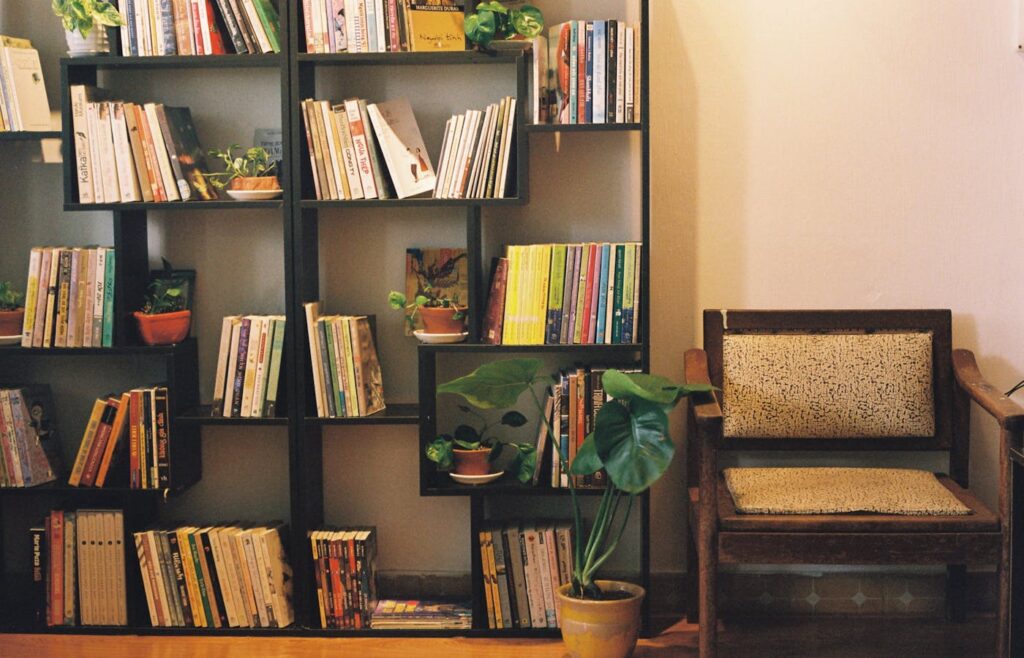
- Use hooks for bags, hats, towels, and lightweight tools.
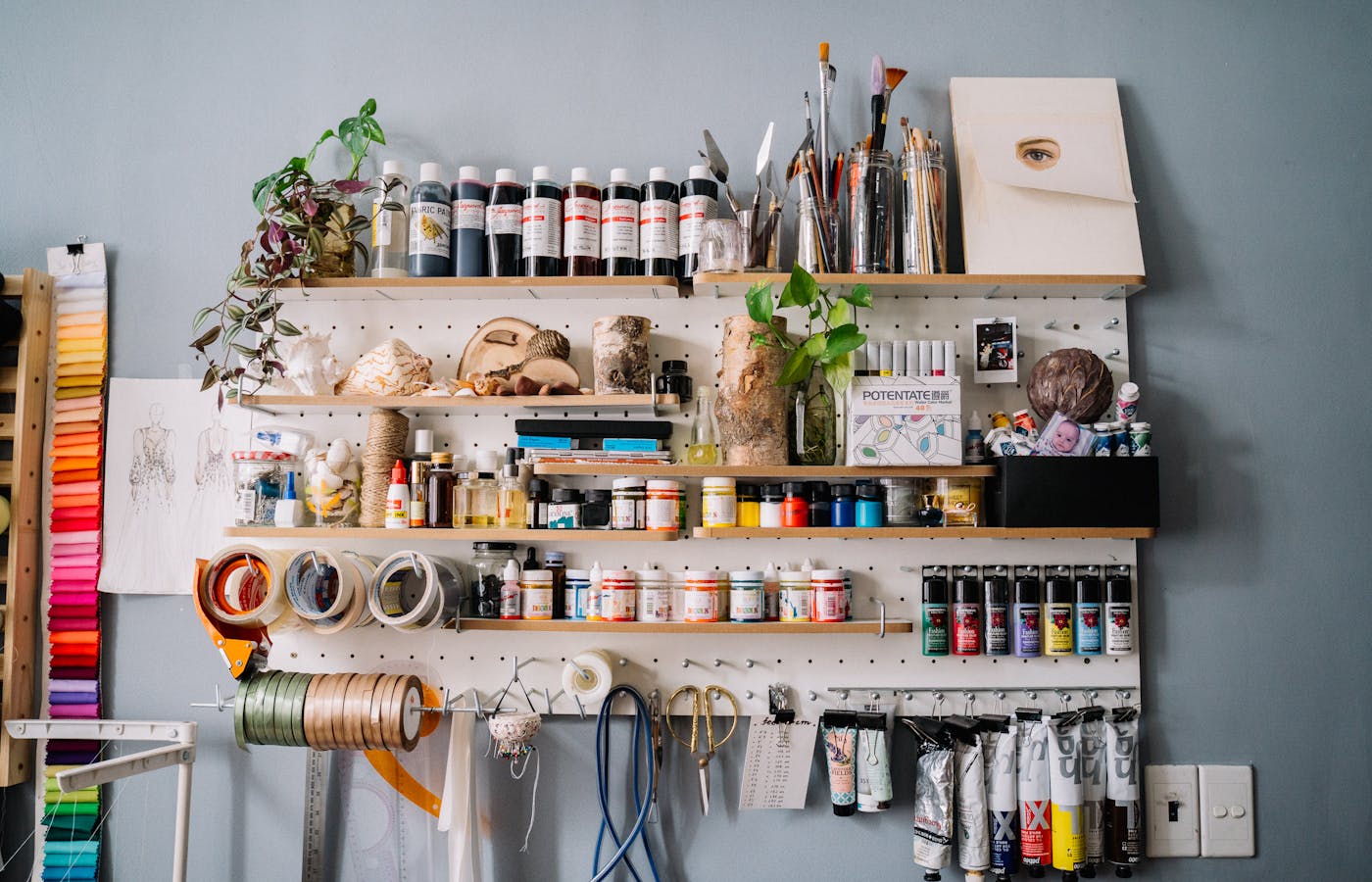
- Use shallow shelves for books, plants, small bins, and daily products.
- Use rails when items hang better than they stack.
- Choose furniture whose required secure installation is possible; do not substitute unanchored tall furniture for wall storage.
- Keep heavy items at waist height or below whenever possible.
Place shelves where they reduce a daily pile
A shelf is most useful when it replaces a pile that already exists. If mail always lands on the dining table, a small entry shelf can create a landing spot. If books collect beside the sofa, a wall shelf or tall bookcase can make the room feel more intentional. If skincare spreads across a vanity, one narrow shelf can move the backup products away from the counter. Tall shelves also work better when storage bin organization keeps small items contained instead of scattered across each level.
The mistake is installing shelves where they look attractive but do not match a real habit. A high shelf above a doorway may be fine for seasonal items, but it will not help with things used every morning. A low open shelf near the action may look less dramatic, but it often works better because people can return items without thinking.
Keep some visible breathing room on each shelf. In a small home, a shelf packed edge to edge can make the wall feel as crowded as the floor used to feel.
Let tall furniture do some vertical work
Choose tall pieces with the room’s width in mind. A narrow bookcase can hold more than a short wide unit while taking less floor space. In a living room, a tall shelf can combine books, baskets, games, and a few decorative items. In a bathroom, a slim over-toilet shelf can hold towels and paper goods if it is stable and not too deep.
The taller the piece, the more stability matters. Install required anti-tip hardware according to the maker's instructions, keep heavy items low, and avoid putting fragile or frequently used things on the highest shelf.
Turn the backs of doors into careful storage
The back of a door is easy to overlook, but it can be one of the most useful vertical zones in a small home. Over-door hooks can hold robes, towels, bags, coats, or cleaning cloths. Pocket organizers can hold accessories, small toys, pantry items, hair tools, or bathroom backups. The trick is to keep the door useful without making it hard to close.
Door storage is most helpful when the items are light and flat enough to stay controlled. A bulky shoe rack behind a narrow closet door may become annoying if it bumps the frame every time the door moves. A few hooks or a slim organizer may solve the same problem with less frustration.
Check the sound and swing after loading the organizer. A door that bangs, scrapes, or needs a push every time will train people to leave it open. Door storage should disappear into the routine, not announce itself every time someone enters the room.
Check the door swing before filling anything. If the door hits a wall, bed, toilet, or cabinet, thick storage can turn a clever idea into a daily irritation.
Build one vertical zone instead of scattering pieces
Vertical storage looks calmer when related items live together. In an entryway, hooks, a narrow shelf, and a shoe tray can become one landing zone. In a bedroom, a wall shelf, small basket, and tall bookcase can support reading, accessories, or folded clothes. In a kitchen, a rail, spice shelf, and small basket can work as one cooking zone.
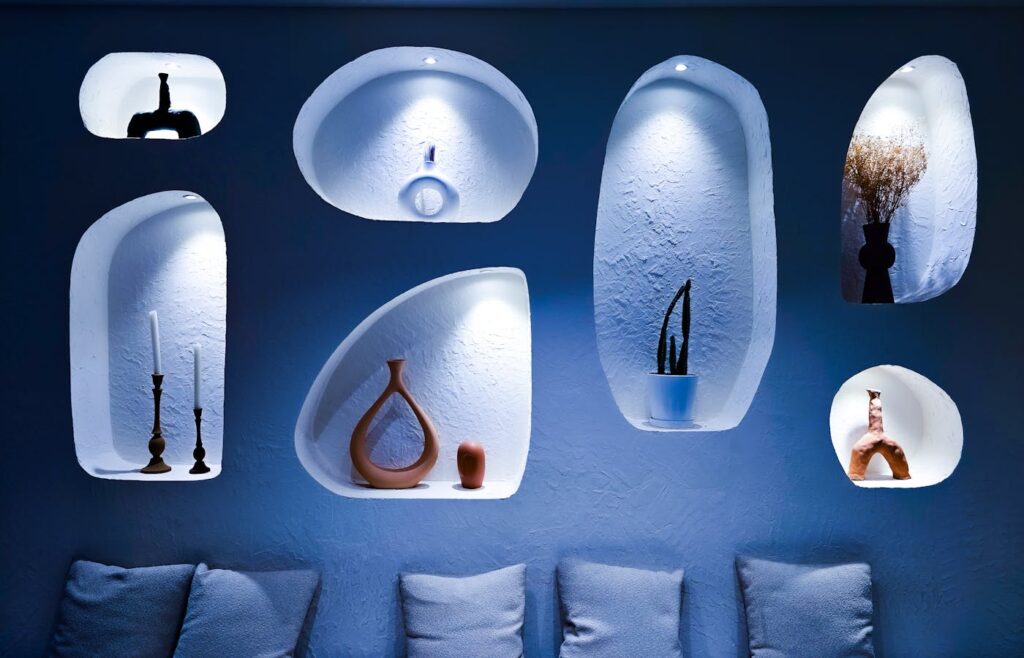
Scattered storage can make a room feel busy because the eye has to stop everywhere. A clear zone gives the wall a purpose. It also makes cleanup easier because every item has a nearby destination. You do not need a matching set, but the pieces should feel connected by use.
- Pick the daily pile you want to remove.
- Choose one nearby wall, door, or tall furniture piece.
- Decide which items should hang, sit, or hide in a basket.
- Keep the most-used items between shoulder and waist height.
- Leave space to add or remove one item without rebuilding the zone.
Keep vertical storage easy to reach and reset
The best height is not always the highest height. Daily items should be easy to see and return. If you need a step stool every time you put something away, the system may work only on your most energetic days. Save high shelves for backup supplies, off-season pieces, extra linens, or items used only occasionally.
For kids, shared homes, and busy mornings, reachable storage matters even more. Hooks should be low enough for the person who uses them. Baskets should not be so high that they get ignored. Labels can help, but placement does more of the work. A good system gently tells you where the item goes.
Edit what goes upward so the room still breathes
Vertical storage can solve clutter, but it can also move clutter to eye level. That is why editing matters. If every shelf, hook, rail, and basket is full, the room may technically have more storage while feeling visually heavier. A small home needs function and breathing room at the same time.
Review vertical zones after a week. Notice what actually got used, what stayed easy to return, and what became visual noise. Remove duplicates, empty baskets that only collect random things, and hooks that hold items nobody reaches for. The point is not to use every inch of wall. The point is to make the room easier.
The CPSC Anchor It guidance covers furniture and TV tip-over prevention. If you cannot make the required attachment, choose another safe storage option. Get qualified help for uncertain wall fixings, and keep shelves clear of doors, exits, vents, and electrical equipment.

Keep this guide handy
An illustrated summary made for JundHaus. Read the guide above for the details and cautions.
Save to Pinterest (opens in a new tab)