Best Storage Ideas for Small Homes
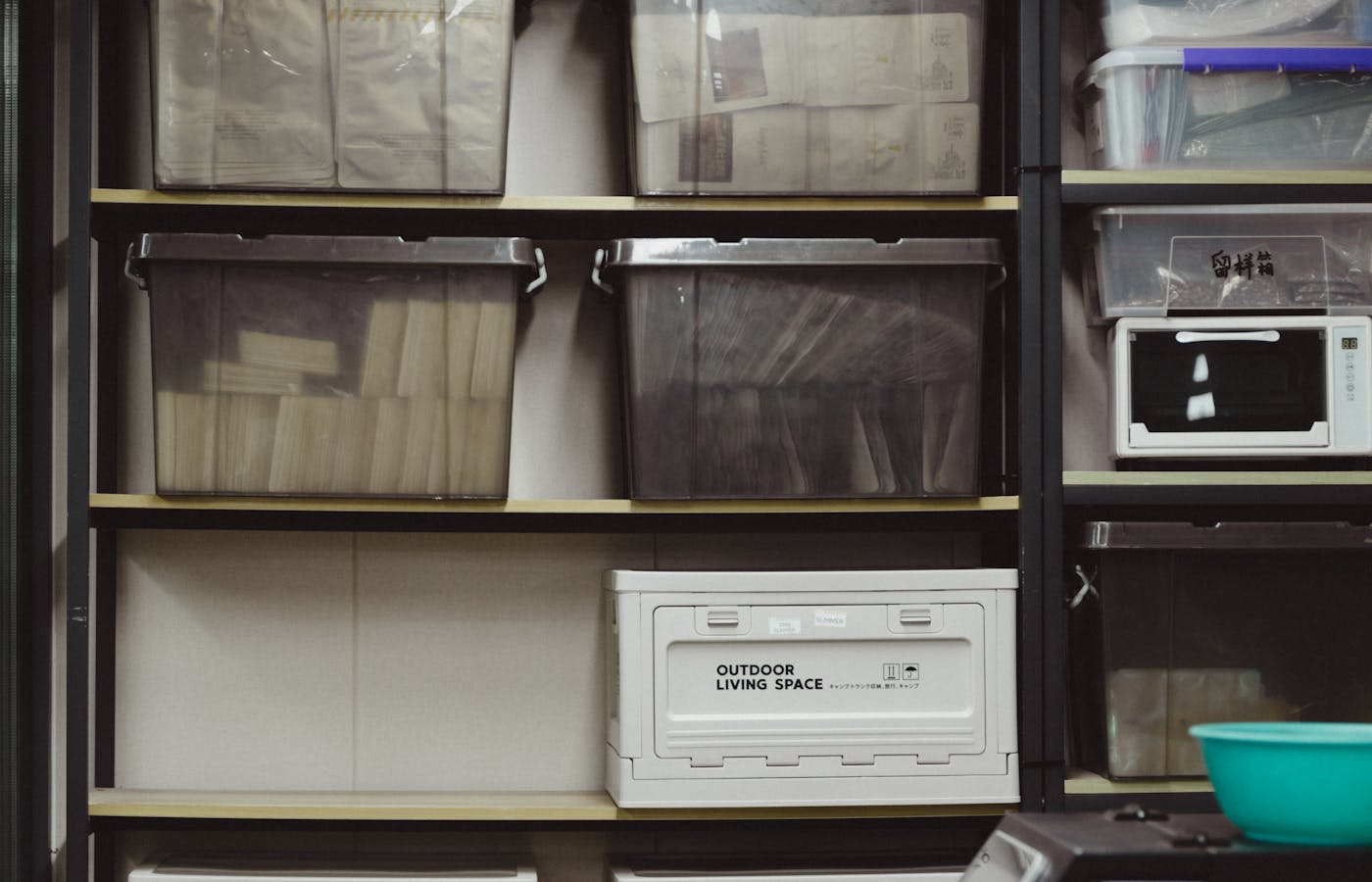
Small homes need storage that improves access, not just storage that hides more things. If every solution adds another bin, shelf, or stack, the home can start to feel like a warehouse instead of a place to live.
The best storage ideas for a small home usually share one trait: they make everyday items easier to use and easier to return. That means choosing locations carefully, protecting walkways, and avoiding storage that creates a new search problem.
Choose storage ideas for small homes by access
Walls are useful in a small home, but only when the items stored there are still easy to reach. A high shelf can hold seasonal decor, extra bedding, or rarely used supplies. It is a poor place for daily shoes, school bags, cooking tools, or anything that becomes annoying to put away.
Use vertical storage to free the floor, not to create a tower of decisions. Hooks, narrow shelves, and wall-mounted rails can work well because they keep categories visible. Deep high cabinets are better for labeled bins that do not need constant access.
Vertical storage should not turn daily items into a reach-and-balance routine. Keep high shelves for light, seasonal, or duplicate items, and reserve the easiest height for things used every week.
Use under-bed storage for flat categories
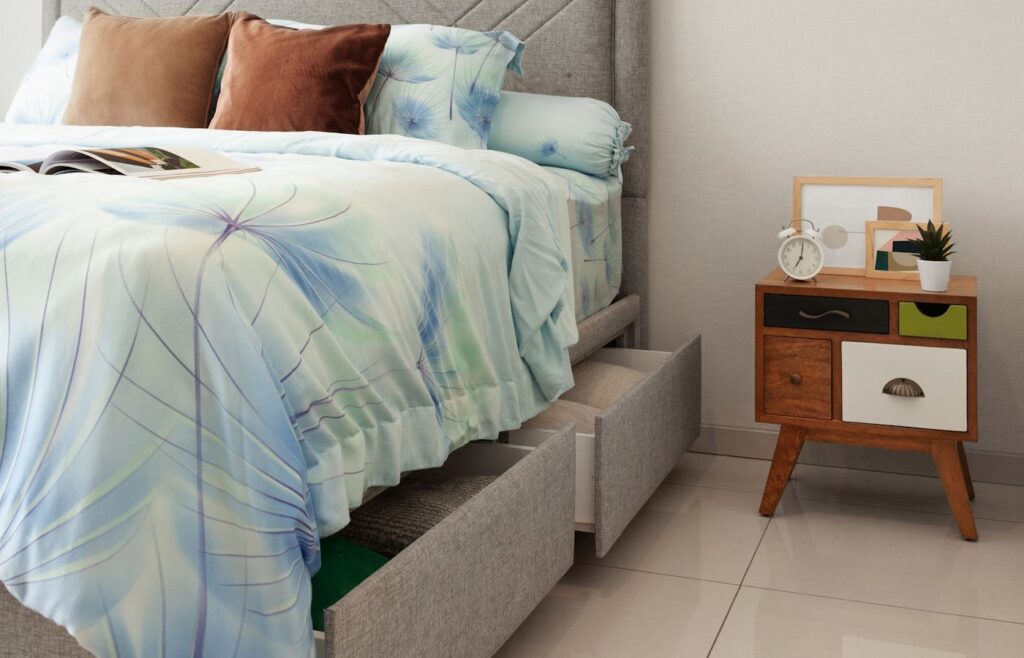
Under-bed storage is helpful when the category is flat, seasonal, or not needed every day. Extra sheets, off-season clothing, wrapping paper, and spare blankets can fit there without taking over a closet. It is less helpful for items you need to reach quickly.
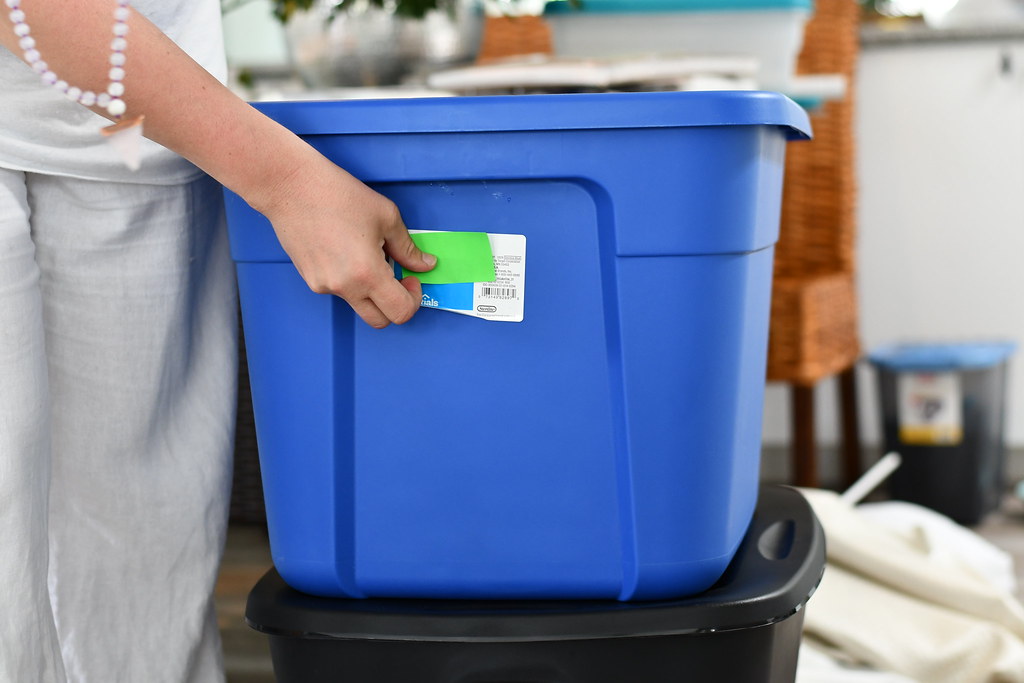
Choose containers that slide easily and can be opened without lifting the bed. If the container is hard to pull out, people will stop using it. Label the visible side so the storage does not become a mystery box by the end of the season.
Under-bed storage is best for flat categories that are not needed every day. Extra sheets, seasonal clothing, gift wrap, and spare blankets are better candidates than shoes or bags used each morning.
Make entryway storage narrow and obvious
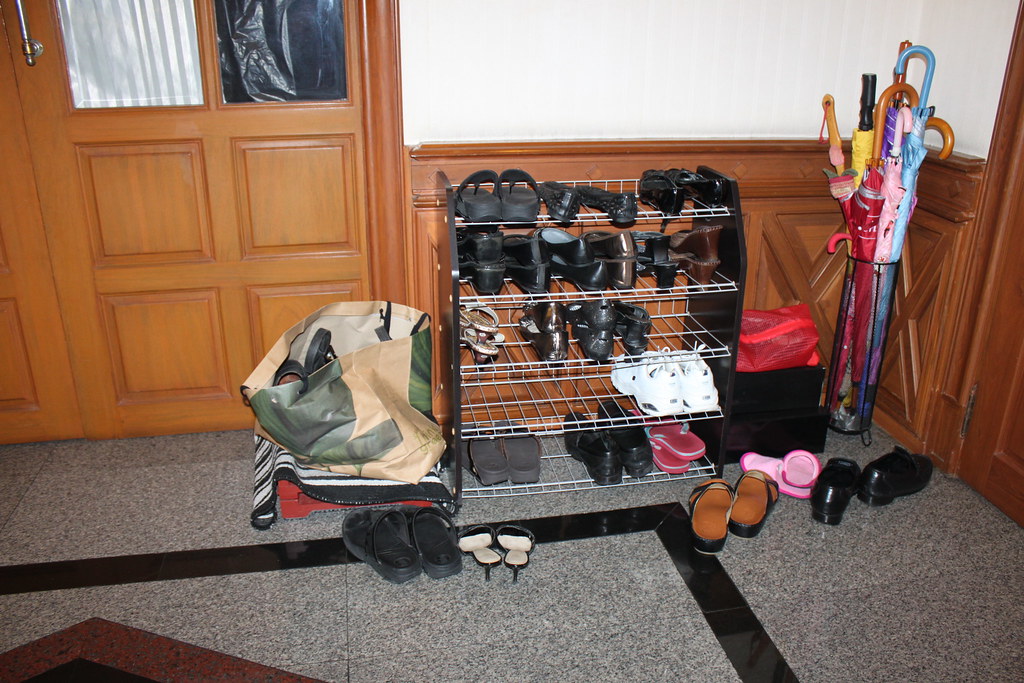
A small home can lose control at the entry because every arriving item needs a decision. Narrow storage works better than bulky furniture in this zone. A slim shoe rack, wall hooks, a small tray, or a shallow cabinet can give the entry structure without blocking the door.
Keep only current items near the entry. Shoes that are out of season, bags not used this week, and old mail should not compete with daily movement. The entry should help people leave and arrive, not become a storage closet with a doorway attached.
Entry storage should solve the first thirty seconds after someone walks in. A narrow bench, hooks, or a shoe tray can keep the doorway clear without stealing too much floor space.
- Use hooks for bags, jackets, and keys.
- Limit shoes to the pairs used most often.
- Keep mail in one tray, not scattered surfaces.
- Check that the door can open fully and safely.
Divide closets by frequency of use
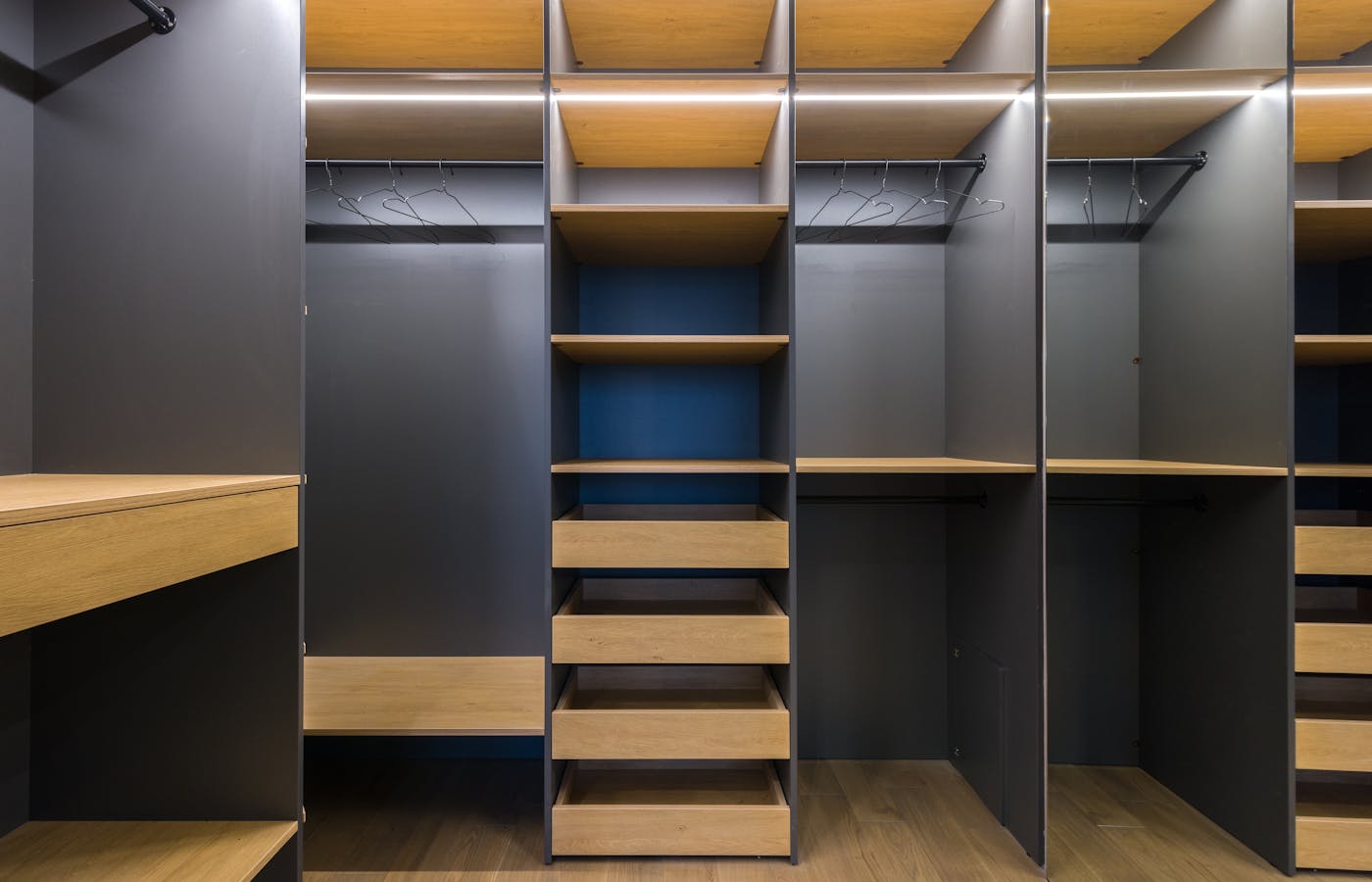
A small closet becomes easier when the most-used items live at eye level or hand level. Daily clothing, shoes, towels, cleaning tools, or pantry staples should not sit behind rarely used supplies. Frequency matters more than perfect category labels.
Put occasional items higher, lower, or farther back. Keep daily items near the front. This simple division reduces digging and makes it more likely that items return to the same place after use.
Closets stay useful when the front section belongs to current life. Put off-season, sentimental, or rare-use items higher or farther back so daily clothes and supplies are not buried.
Divide closets by frequency of use: Do not measure success by how the space looks immediately after cleaning. Measure it by whether the same area is easier to restore after laundry, cooking, work bags, or guests have passed through.
Reserve doors for light storage
The back of a door can hold lightweight categories, but it should not carry anything that makes the door hard to close. Bathroom doors can hold small toiletries or hair tools. Pantry doors can hold spices or packets. Closet doors can hold accessories, scarves, or light supplies.
Avoid heavy over-door organizers if they pull the door out of alignment or slam into the wall. Door storage should solve a small access problem, not become the place where every leftover item is forced to fit. Small-home storage works best when making a small room look less cluttered leaves visible breathing room instead of filling every open surface.
Door storage is helpful only when the door still closes easily. Use it for light items such as scarves, cleaning cloths, small tools, or toiletries, not heavy bins that swing and scrape.
| Area | What to check |
|---|---|
| Under bed | Flat seasonal items and extra linens |
| Entry | Shoes, keys, bags, and outgoing items |
| Closet front | Daily clothing or supplies |
| Door backs | Light categories that do not block closing |
Keep shared storage from becoming a dump zone
Shared storage needs simple rules. A hallway cabinet, laundry shelf, or living room basket can become a dump zone when every person uses it differently. Make the main categories visible and limit how many unrelated items share the same space.
Labels can help, but the layout matters more. Put the most common category in the easiest spot. If people keep tossing items into the wrong bin, the bin may be too hidden, too full, or too specific for the way the household actually behaves.
Shared storage needs labels or clear categories because several people will use it. If the shelf holds games, batteries, pet supplies, and candles together, it will become a mixed pile again.
Use plain labels for shared zones, even if the storage is not visible to guests. The label is not decoration; it is a small agreement. If everyone knows the shelf is for batteries and tape, it is harder for old mail, chargers, and random hardware to take over.
Review storage before adding more containers
More containers can make clutter look calmer for a week and harder to manage later. Before buying storage, empty one crowded area and ask which items are used, which are duplicates, and which are stored only because no one has decided about them.
A small home usually benefits from fewer, better categories. If a container holds items that do not belong together, it becomes another place to search. If it holds one clear category, it can make the home easier to maintain.
Review storage when a container starts hiding forgotten items. If a bin has not been opened in months, the better solution may be donating, relocating, or reducing the category.
Ask one practical question before buying another container: would I look for this item here first? If the answer is no, the item is probably creating false storage. Move it to the place where it is used, donate it, or group it with its real category.
- Empty one crowded storage area.
- Remove duplicates and expired items.
- Group what remains by use.
- Choose storage only after the category is clear.