How to Make a Small Room Look Less Cluttered
Published Updated

By Silas Payao
I write practical cleaning and organization guides focused on simple routines, realistic storage ideas, and calmer home systems.
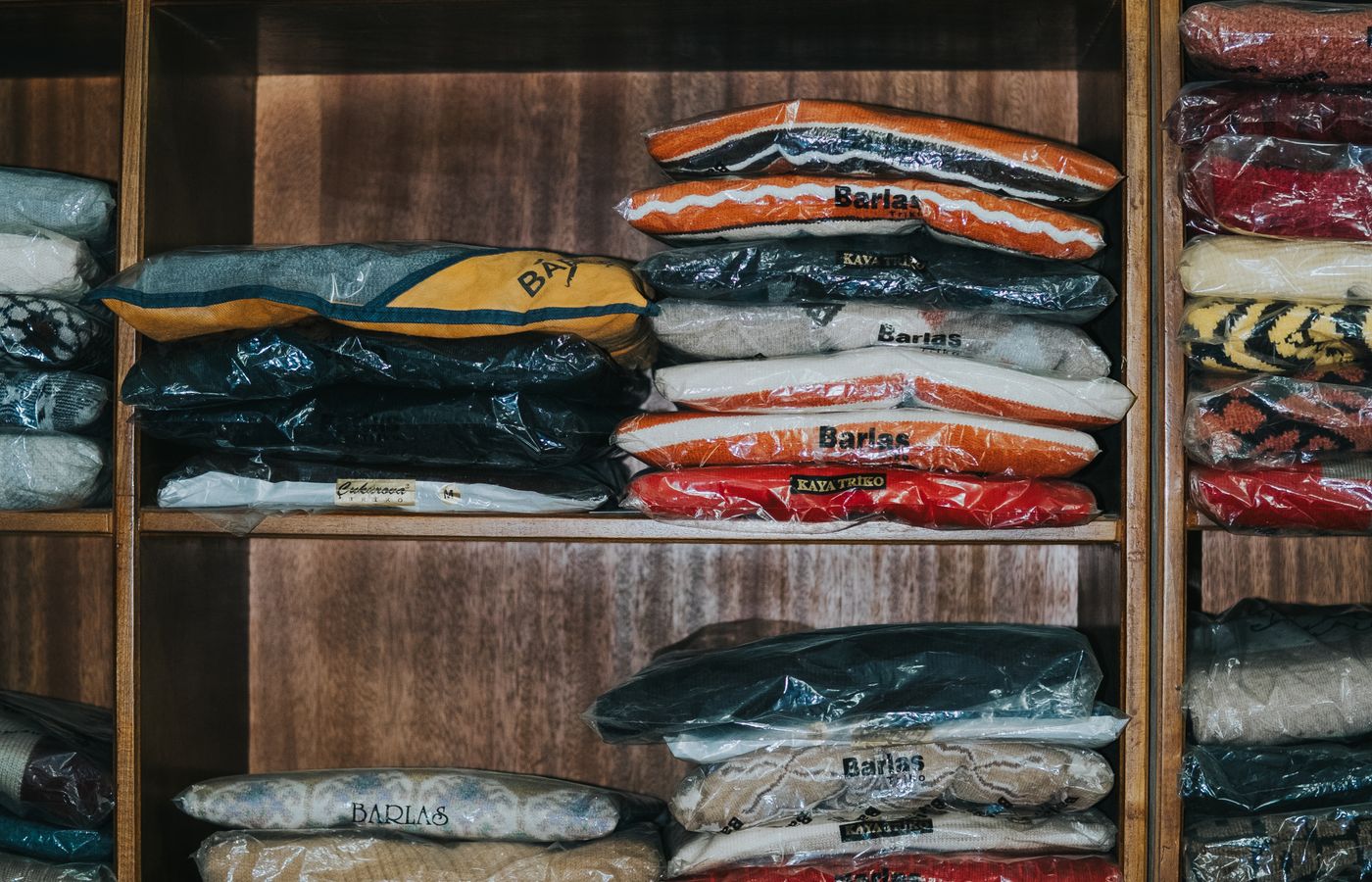
A small room can feel cluttered even when it does not hold many things. The problem is often visual noise: busy surfaces, bulky furniture, blocked walkways, and storage that asks too much effort from the person using it.
Keep the room's personality while clearing the view from the doorway and the paths used most often.
Clear the surfaces that shape the first impression
Start with the surface that catches your eye when you enter. In a bedroom, that might be the nightstand. In a living room, it may be the coffee table, TV stand, or chair that collects clothes. A small room looks busier when every flat surface carries unrelated items.
Do one honest edit before buying organizers. Keep daily-use items close, move occasional items to closed storage, and remove anything that only landed there because there was no better place. A tray can help, but only after the category is clear.
The fastest improvement is often removing the items that do not belong to that surface at all. A nightstand can hold a lamp, book, and water glass without becoming the place for receipts, skincare, coins, and charging cables.
Give loose categories one obvious home
Small clutter often comes from categories that drift: chargers, mail, keys, hair ties, blankets, remotes, receipts, and books. If those items do not have a home, they will use the nearest surface. A single basket, drawer, hook, or shelf can solve more than a complicated storage system.
The home should match the way the item is used. Chargers belong near the outlet where people actually plug in. Blankets belong near the seat where they are used. Mail needs a landing spot near the entry, not a file box hidden in another room.
If a category keeps moving around, make the home easier before blaming the habit. A basket by the chair may work better than a closet across the room, even if the closet looks tidier in theory.
- Group one drifting category at a time.
- Choose a home within reach of where the item is used.
- Avoid splitting one category across several decorative containers.
- Review the spot after a week of normal use.
Create breathing room with furniture spacing
Floor space can calm a small room when the main path is easier to see. You do not always need smaller furniture; sometimes a few inches of space between pieces changes the way the room reads. Pull a chair away from a cabinet, clear the path to the window, or move a side table that interrupts the walking route.
Look for the tightest path in the room. If someone has to turn sideways, step around a corner, or move an item to open a drawer, the layout is adding stress. Space around the things you use every day matters more than filling every wall.
Furniture spacing is not only about walking through the room. It also affects whether drawers open fully, curtains move freely, and a person can make the bed or reach a shelf without shifting something first.
Reduce visual weight before adding more storage
Storage can hide clutter, but it can also make a small room heavier. Large dark bins, tall open shelves, and stacked containers may technically hold more, yet still make the room feel crowded. Before adding storage, ask what can leave, what can move behind a door, and what should be easier to reach.
Closed storage is useful for mixed items, but open storage should be selective. Display the pieces that look calm together and tuck the rest away. Matching a few containers can help, but the biggest improvement usually comes from fewer visible categories.
Before buying a taller shelf or another bin, remove duplicate items and empty packaging. Small rooms rarely need more places to hide clutter before the visible categories have been reduced.
Check the arrangement after a normal evening: can you put away laundry or work bags without creating a new pile?
Let light, color, and textiles simplify the view
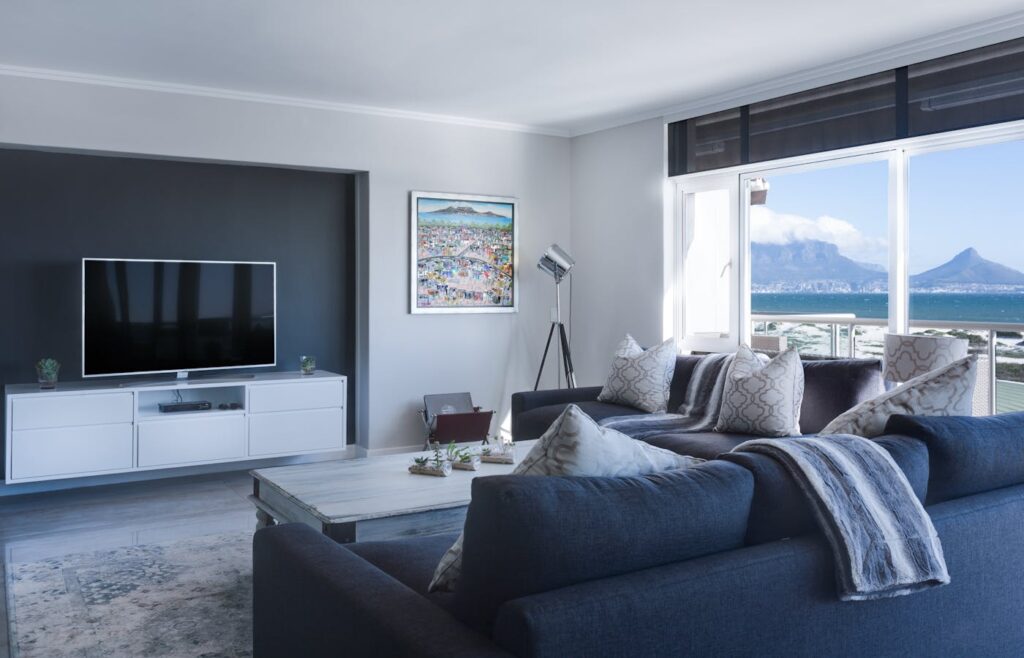
Lighting and color do not remove clutter, but they change how much the eye has to process. A room with one clear lighting source, a simple bedding palette, or curtains that blend with the wall can feel less busy than a room full of competing contrast.
Textiles matter because they cover large areas. A bedspread, rug, curtains, and throw pillows can either calm the room or make it feel chopped into pieces. Choose one or two dominant tones, then let texture do some of the work instead of adding more colors.
A calm palette helps most when it supports the actual room. If the room already has strong wood, colorful books, or patterned bedding, repeat one of those tones instead of adding a new competing color.
- Stand at the doorway and notice the loudest surface.
- Remove or simplify one visual category.
- Check the walking path and drawer access.
- Reset the same area after a normal evening.
Create a short reset for the busiest corner
The reset should be boring on purpose: return clothes, clear cups, put chargers back, fold the blanket, and empty the small trash. If that corner stays manageable, the rest of the room feels less overwhelming. A small reliable reset is more useful than a dramatic cleanout that only happens once.
The reset should focus on the corner that creates the biggest visual mess. When that spot stays under control for a week, it becomes easier to decide whether the room needs more storage or simply fewer drifting items.
Preserve access to exits, ventilation, sockets, and safety equipment when shifting furniture. Tall units still need their maker's required secure installation, even if they look lighter in color. Do not cover a radiator or heater with a basket or curtain to make the view simpler; follow the equipment's clearance instructions.
Try one low-cost change before replacing furniture. Photograph the corner for your own reference, move the unrelated items to their correct homes, and use the room for a few days. If a side table still blocks a door or chair, measure its footprint and compare a different position. If it is only the pile that returns, improve the return location instead of buying a smaller table.

Keep this guide handy
An illustrated summary made for JundHaus. Read the guide above for the details and cautions.
Save to Pinterest (opens in a new tab)