How to Organize Kitchen Cabinets for Everyday Use
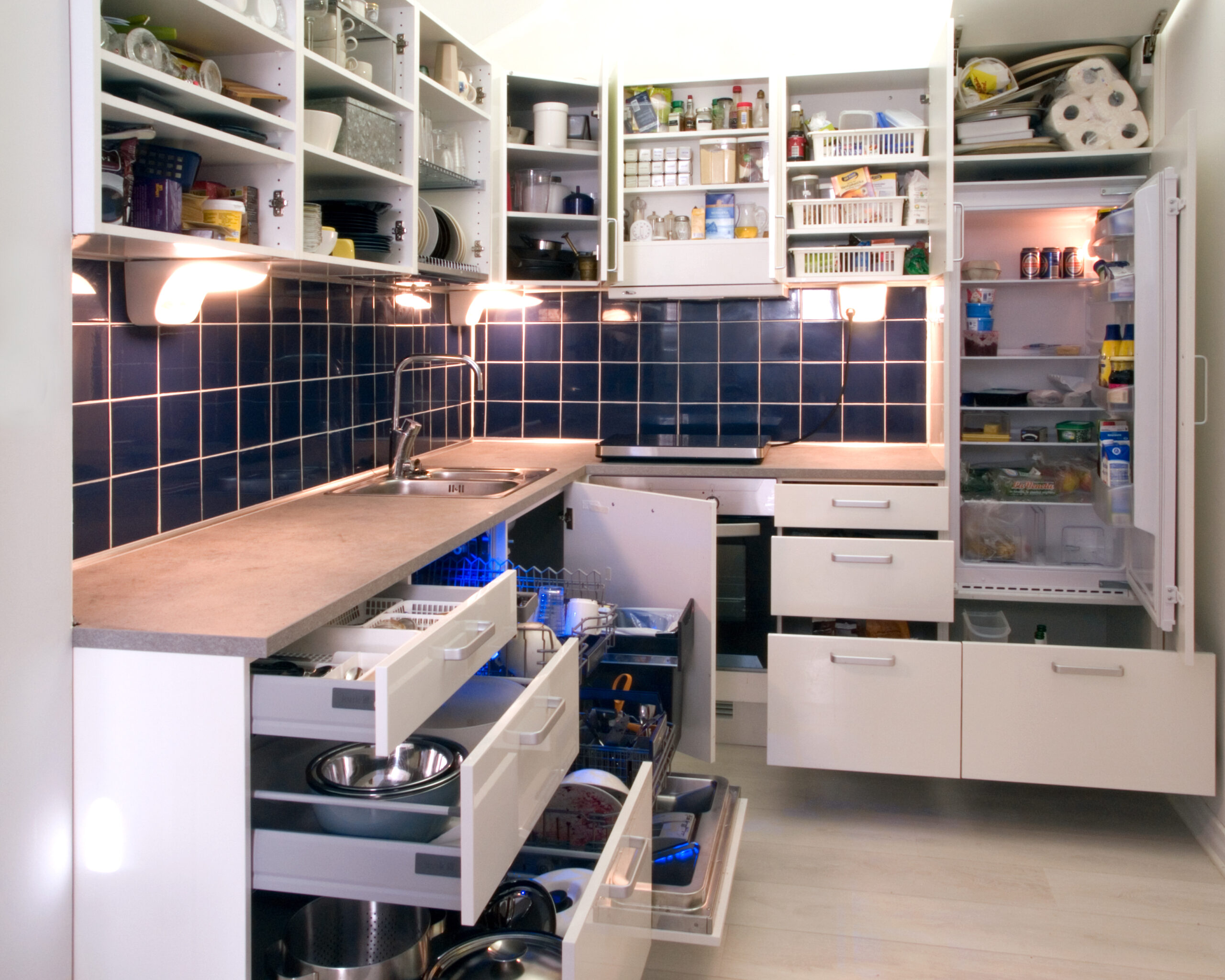
Kitchen cabinets fail when they are arranged for how they look with the doors open instead of how cooking happens on a tired evening.
The better order starts with reach, weight, frequency, and cleanup. A cabinet system should make the next meal easier, not require everyone to remember a complicated map.
Place daily dishes where unloading is easiest
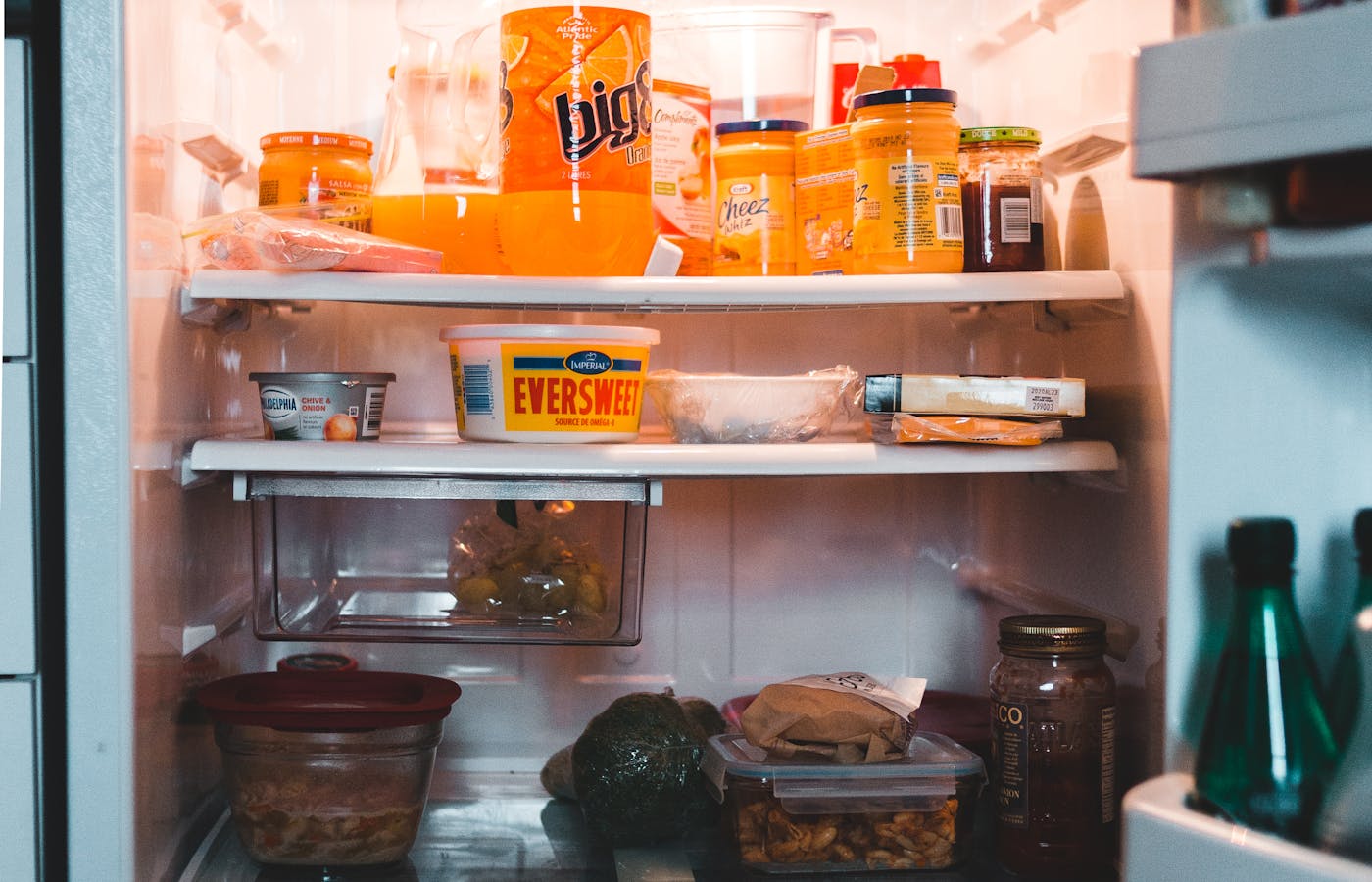
Dish storage is the first place I would slow down because it decides how the rest of the task feels. The most-used plates, bowls, mugs, and glasses should live close to the dishwasher, sink, or table path. If unloading requires crossing the kitchen, clean dishes are more likely to sit out. If pantry work includes refrigerated backup items, FoodSafety.gov’s cold-storage chart helps separate storage habits from food-safety decisions.
Choose the easiest shelf for the items used every day and move special-occasion pieces away from that space. Avoid stacking so high that one plate cannot be removed without lifting the whole pile. Daily cleanup becomes quicker because the cabinet supports the normal route.
Watch the path from dishwasher to cabinet before deciding where dishes belong. The shortest route usually beats the prettiest shelf arrangement.
Store heavy pans low and near the cooking zone
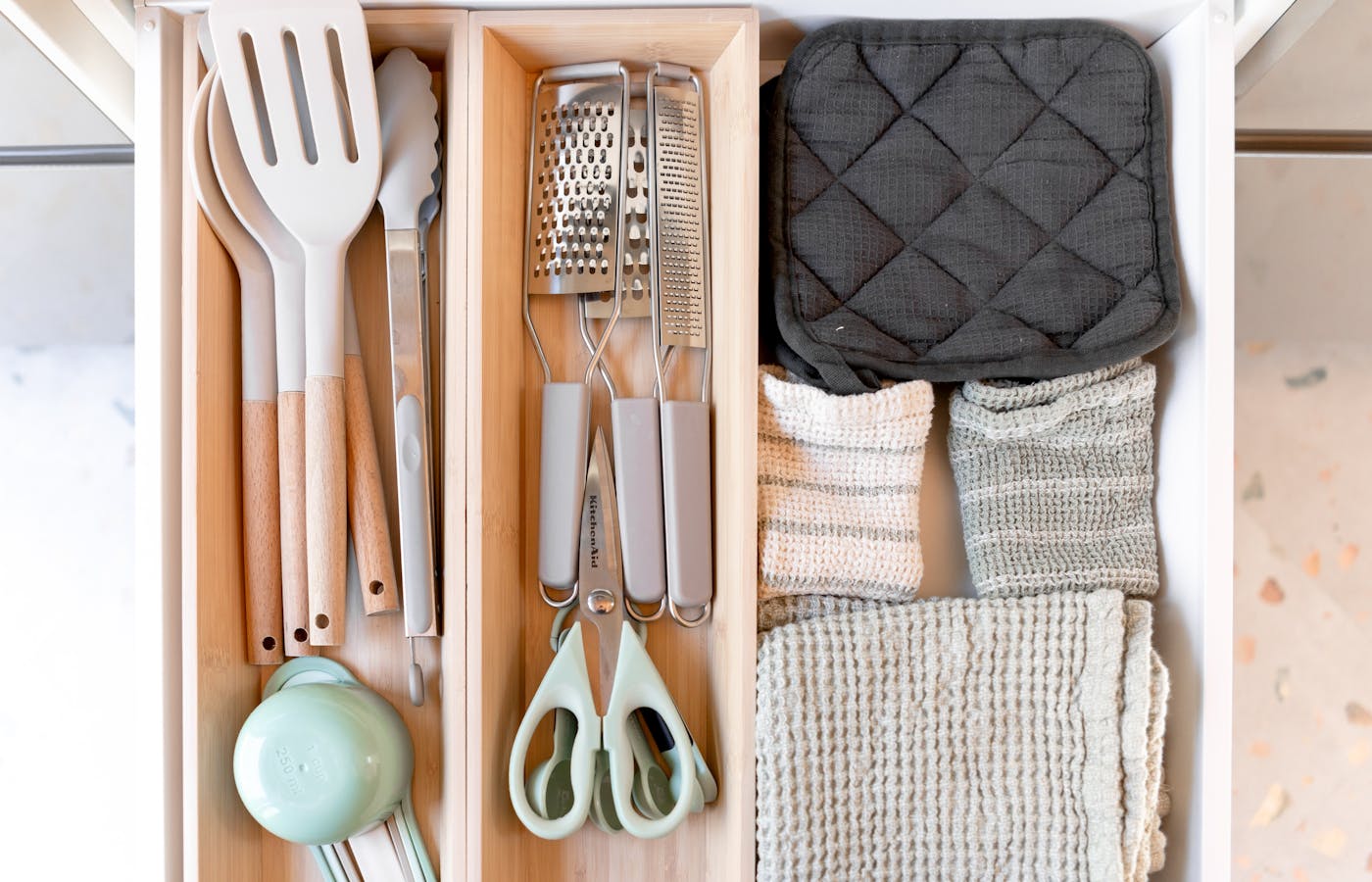
Put skillets, pots, lids, and baking sheets near the stove or prep counter. If lids constantly slide, use one divider or a shallow bin instead of stacking them loose. Cooking starts with less noise, less lifting, and fewer cabinet avalanches.
Pan storage should be tested with the heaviest item, not the easiest one. If that item is awkward to lift, the shelf is too high or too crowded.
| Decision | Practical check |
|---|---|
| Daily dishes | Eye-level shelf near the dishwasher or table |
| Heavy pans | Low shelf close to the stove |
| Food containers | One matched zone with lids controlled |
| Rare tools | High or less convenient cabinet space |

Control food containers before they take over
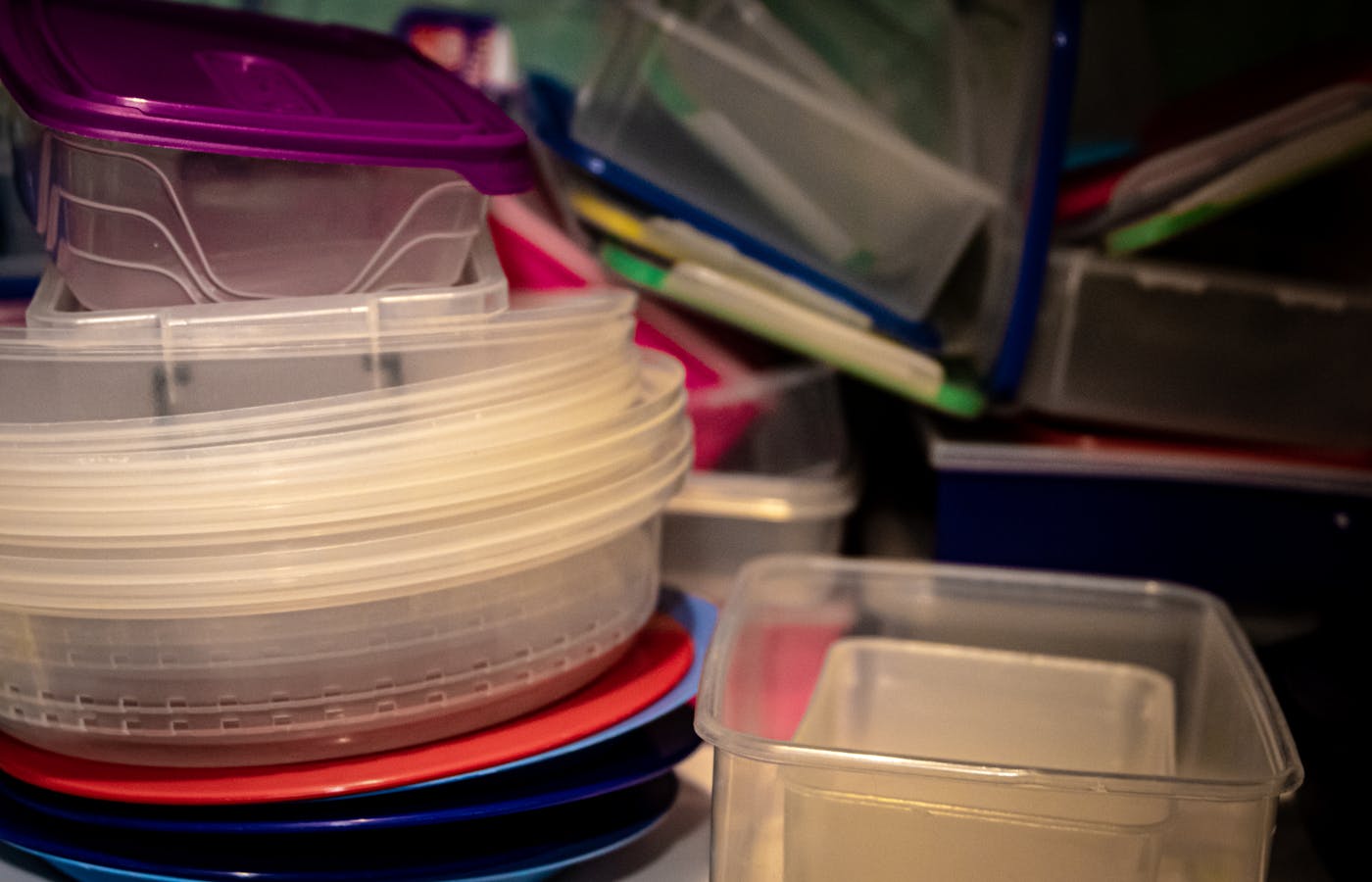
A practical pass through food containers should answer one question before it adds more work. Containers multiply because lids and bottoms separate and nobody wants to check them during cleanup. One cabinet or drawer should hold the whole category so mismatches are obvious.
Match every lid to a base, recycle damaged pieces, and keep only the sizes the household actually uses. Do not let takeout containers outnumber the containers you trust. Leftovers become easier to pack because the right lid is not hiding elsewhere.
Container storage needs a lid rule that everyone can follow. Loose lids without matching bases should leave before they multiply again.
Move rare tools out of prime cabinet space
In the move rare tools out step, keep the standard simple enough that it can survive an ordinary weekday. Prime shelves should not be occupied by holiday platters, novelty gadgets, or appliances used twice a year. Those items can live higher, farther away, or in a storage area if the kitchen is small.
Rank tools by use and reserve the best cabinet space for weekday cooking. If a tool has not been used in a year, question whether it deserves kitchen space at all. The kitchen begins to serve real meals instead of theoretical projects.
Rare tools should have to justify prime space with recent use. A cabinet near the stove is too valuable for appliances that only represent good intentions.
- Keep heavy items low.
- Store daily dishes in the easiest reach zone.
- Separate food storage lids from random extras.
- Leave space for hands, not just objects.
Create a small cleanup and supply zone
During the create a small cleanup step, set a real stopping point before the topic starts to feel bigger than planned. Dish soap, dishwasher tabs, trash bags, sponges, and towels often scatter between sink, pantry, and random drawers. A small zone near the sink can prevent repeated searching.
Group supplies by job and keep backups behind the active item. Cleaning chemicals should stay safely separated from food and out of reach of children or pets. The end of cooking feels less chaotic because cleanup supplies are where the mess happens.
Cleanup supplies need safety as well as convenience. Keep food, cleaners, and child or pet access in mind before choosing the under-sink layout.
- Empty one cabinet.
- Group by use.
- Wipe shelves.
- Return only what belongs in that zone.
Review the cabinet after one normal cooking week
For the review the cabinet after review, focus less on perfection and more on whether the next action is obvious. A cabinet layout only proves itself after real use. Watch which doors stay open, which stacks lean, and which items keep landing on the counter.
Make one adjustment at a time after a week of cooking and unloading. Resist a full reorganization if only one shelf is causing friction. The system improves without becoming another large kitchen project.
After a normal week, look for the cabinet people avoided using. That single avoidance pattern often tells you exactly which shelf needs adjustment.
A cabinet is organized when the right item is easy to grab and easy to put back.
Cabinet organization should reduce small delays during cooking and cleanup. When the shelf locations match daily habits, the kitchen stays neater without constant correction.
Cabinet systems also benefit from one ordinary cleanup test. After cooking dinner, watch whether dishes, pans, containers, and cleanup supplies return to their places without extra explanation. If one cabinet stays open or one stack keeps shifting, that is the shelf to adjust first. The best cabinet layout is not the one with the most categories; it is the one that helps the kitchen recover after real use.