Garage Decluttering Ideas for Beginners
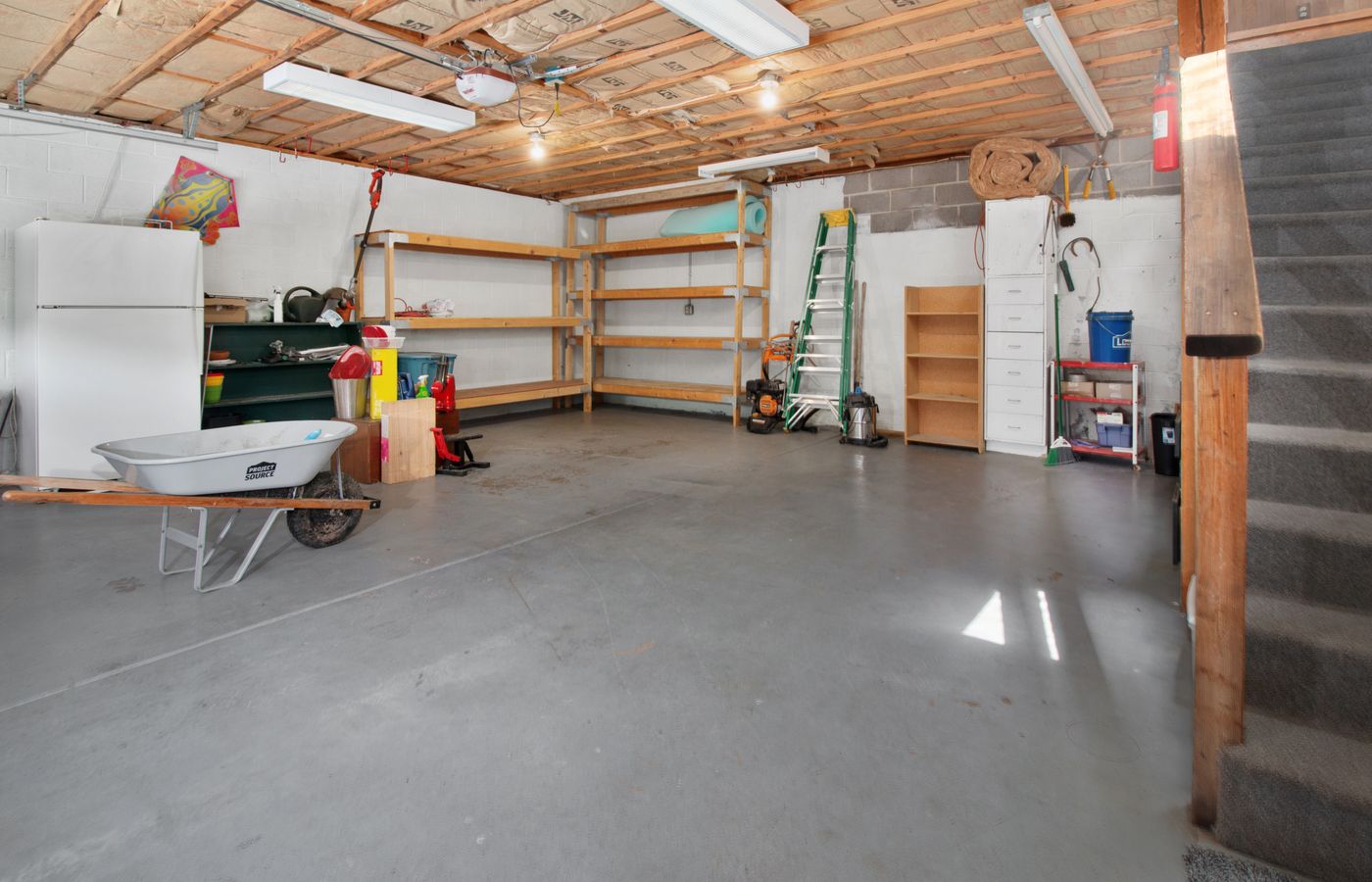
A garage can become the easiest room to postpone because it often holds the things that do not have a better home yet. Tools, sports gear, holiday decor, paint, bikes, boxes, and outdoor supplies all end up sharing one space, and the result can feel impossible to start.
Garage storage ideas for beginners should make the room easier to use before they make it pretty. The first goal is to clear safe walking space, group items by purpose, and put heavy or risky items where they cannot fall, leak, or block access.
A beginner garage system should answer one question quickly: where does this item go when I am done using it? If the answer is clear, the room has a much better chance of staying usable.
Start with zones instead of products
Buying bins, shelves, and hooks before sorting the garage can create a second layer of clutter. Start by naming zones. A garage may need a tool zone, car care zone, sports zone, outdoor gear zone, seasonal decor zone, gardening zone, donation zone, and household overflow zone.
Zones help because they turn one overwhelming room into smaller decisions. Instead of asking where everything should go, you ask whether an item belongs with tools, sports gear, holiday decor, or something else. That decision is much easier to repeat.
Use the walls and corners as rough boundaries at first. Put related items near each other, even if the setup is temporary. A broom leaning beside garden tools is more useful than a broom buried behind boxes. A box of car supplies near the driveway side of the garage is easier to use than one hidden under camping gear.
I would keep the first pass plain and visible. Painter’s tape labels, sticky notes, or scrap paper can mark zones before you commit to shelves or containers. Once the groupings make sense for a week or two, you can make them more permanent.
Clear the floor before filling the walls
Floor space is the garage feature people miss most when it disappears. A beginner storage plan should protect walking paths, parking space, doors, steps, and access to electrical panels, water heaters, freezers, or laundry equipment. Storage is not successful if you have to climb over bins to reach something important.
Start by pulling obvious floor clutter into groups. Empty cardboard boxes, broken items, loose tools, half-used project supplies, and mystery bags should be sorted before anything is installed. The goal is not to finish the entire garage in one dramatic day. The goal is to make the floor safer and easier to clean.
Heavy items can stay low, but they still need a defined home. Bags of soil, paint cans, toolboxes, and large coolers should not live in random corners. Put them on low shelves, sturdy platforms, or clearly marked spots where they will not slide into a walking path.
Once the floor is clearer, wall storage becomes easier to plan. You can see which wall areas are reachable, which corners stay damp, and which items need to be near the door.
Use garage shelves for bins, not for guessing
Shelves are useful in a garage because they create vertical storage without hiding everything. The mistake is filling shelves with unlabeled bins, loose bags, and stacked mystery boxes. That turns a shelf into a wall of future searching.
Use bins for categories that naturally belong together: car cleaning supplies, extension cords, small tools, sports balls, light bulbs, holiday lights, outdoor toys, or camping supplies. Keep each bin category narrow enough that the label still means something. A bin called “miscellaneous” is usually a sign that the decision was skipped.
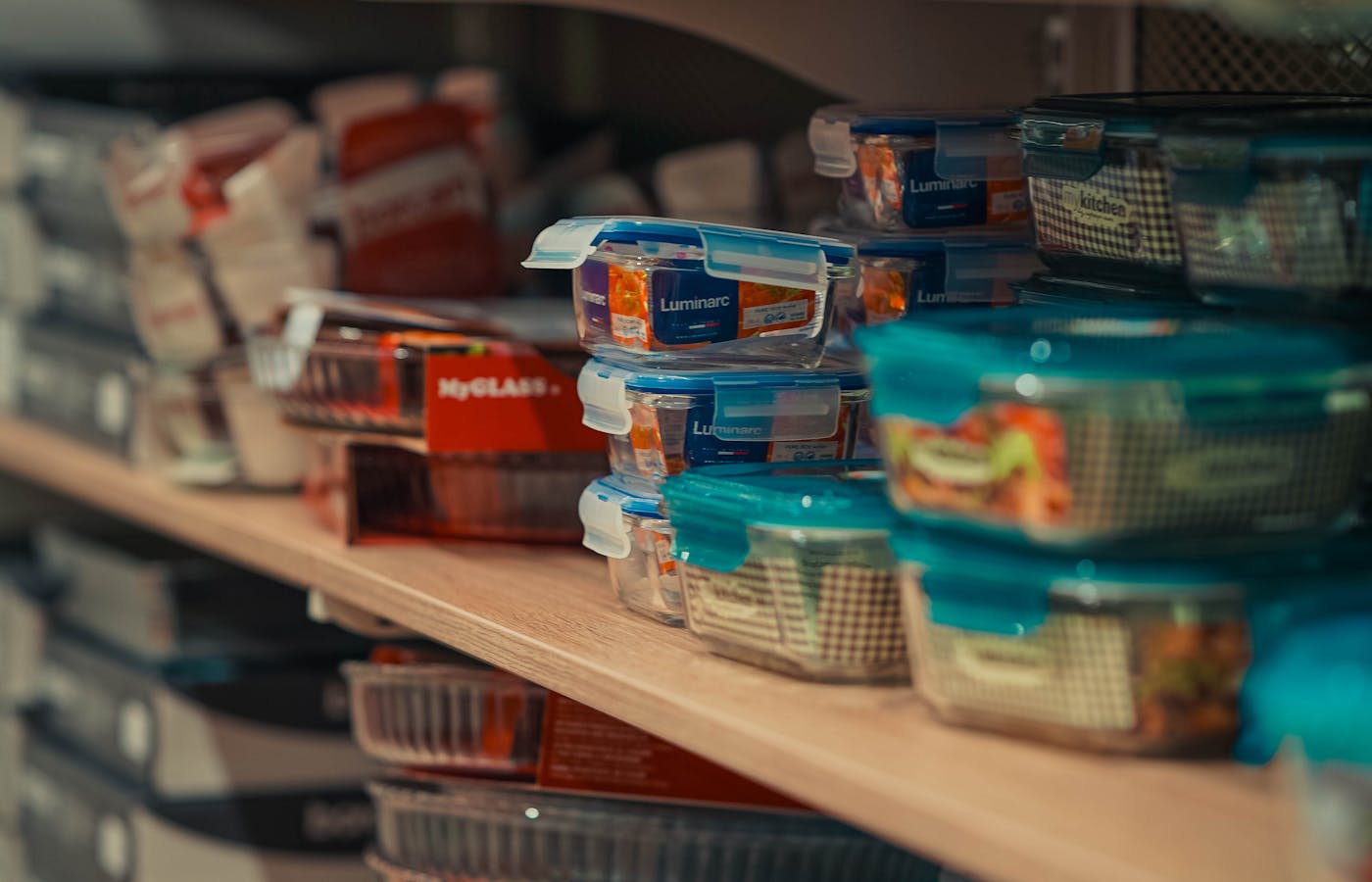
Choose clear bins when seeing the contents helps, and opaque bins when the view would make the garage feel visually busy. Either way, label the front. In a garage, labels should be large enough to read while standing, because shelves may be high or deep.
- Put heavy bins on lower shelves.
- Keep frequently used bins between waist and shoulder height.
- Use matching bin sizes only when they fit the shelf safely.
- Leave a little space above bins so they can slide out easily.
- Label by use, not by vague room names.
Put tools where they can return easily
Tools often create garage clutter because they are used in quick moments and set down wherever the job ends. A beginner system should make returning tools easier than leaving them on a workbench, freezer, shelf edge, or floor.
Wall rails, pegboards, magnetic strips, hooks, and small drawers can all work, but the best choice depends on the tool. Long-handled tools need secure vertical storage. Small hand tools need shallow drawers, cubbies, or a clear wall layout. Cords need a loop or bin that prevents tangling.
The right tool storage is the one you can reset in ten seconds. If every screwdriver has to be lined up in an exact display, the system may fail during a busy week. If each tool has a visible zone, cleanup becomes easier.
Keep sharp, heavy, or hazardous tools away from children and pets. Garage storage should be practical, but it still has to respect safety. A low hook may be fine for a broom and a poor choice for a saw.
Leave a small open spot for active projects too. Without a landing area, the first unfinished task usually spreads across the floor or blocks the shelf you just organized.
Separate seasonal items from daily items
Seasonal storage creates clutter when it mixes with daily-use items. Holiday decor, beach gear, winter supplies, camping equipment, and occasional project supplies can take over shelves that should hold tools, pet supplies, car items, or sports gear used every week. That decluttering decision is easier when toy storage ideas that make cleanup easier gives the next category a clearer place to land.
Give seasonal items slower-access storage. Higher shelves, deeper corners, or labeled upper bins can work well for things used once or twice a year. Daily items should stay easier to reach. If the ladder is needed every week, it does not belong behind holiday bins.
Before storing seasonal items, remove anything broken, expired, or unused. Garages often hold old decorations, damaged coolers, tangled lights, dried paint, and worn-out sports gear because no one wants to decide during the busy season. Make the decision when you are packing the item away.
Seasonal bins also benefit from a simple exit path. Put the current season’s items near the front and move the off-season bins higher or deeper after they are checked.
- Group holiday decor by season or event.
- Store sports gear by activity, not by person.
- Keep weather supplies where they are reachable before storms.
- Label seasonal bins with the month or event.
- Review seasonal bins before adding new purchases.
Protect safety supplies and risky items
Some garage items deserve more care than ordinary storage. Paint, chemicals, fuel, sharp tools, pesticides, batteries, and cleaning products should not be tossed into open bins with unrelated supplies. They need stable storage, clear labels, and separation from heat, pets, children, and food items.
Read product labels before deciding where to store risky items. Some supplies should not be exposed to extreme heat or freezing temperatures. Others should stay upright, capped, or away from ignition sources. A neat shelf is not enough if the storage location is unsafe for the product.
Use closed containers or locked cabinets when needed. If you store batteries, keep terminals from touching loose metal objects. If you keep paint, label the room or project on the can so you do not save six mystery cans for years.
Garage storage should make dangerous items harder to reach by accident and easier to identify on purpose.
Safety also includes access. Do not block exits, breaker panels, garage door controls, ladders, or fire extinguishers. Storage that hides essential access points creates a problem at the exact moment you need the space to work.
Build a small garage storage reset routine
A garage system only lasts if it has a reset rhythm. The room collects returns, project leftovers, seasonal gear, delivery boxes, and items headed for donation. Without a small routine, even a well-organized garage slowly becomes a holding area again.
- Walk the floor and remove trash, cardboard, and empty packaging.
- Return tools to their wall, drawer, shelf, or bin.
- Put sports gear, car supplies, and gardening items back in their zones.
- Check whether donation items have left the garage.
- Move heavy items back to low, stable storage.
- Look for leaks, damp boxes, or damaged containers.
- Adjust one label or zone if the same item keeps landing in the wrong place.
A ten-minute reset once a week is often enough for a beginner system. If the garage is used heavily, tie the reset to trash day, lawn care, grocery unloading, or Sunday evening. A routine connected to an existing habit is easier to remember.
A beginner-friendly garage setup works when it makes the next action obvious. Start with zones, protect the floor, use shelves with labels, keep tools easy to return, separate seasonal items, and give risky supplies safer homes. The garage does not need a full makeover; it needs to become usable again.