What to Declutter Before Moving

Moving has a way of exposing every drawer, closet, cabinet, and forgotten storage bin at once. Items that felt harmless in the old home suddenly become boxes to lift, tape, label, pay for, and unpack. That is why decluttering before a move is different from ordinary tidying.
Knowing what to declutter before moving helps you avoid paying time, space, and energy to relocate things you already know you do not want. The best moment to decide is before the box is sealed, not after it lands in the next room.
The easiest box to unpack is the one you never had to move. A careful pre-move declutter can make the whole transition feel lighter.
It also gives you a cleaner packing plan. When fewer uncertain items remain, labels become more accurate, donation runs happen earlier, and the final week is less crowded with decisions.
Start with items that already feel like a no
Begin with the obvious decisions. Broken items, expired products, worn-out linens, duplicate tools, old manuals, empty containers, and things you keep stepping around are usually easier to handle than sentimental objects. These quick wins create momentum without forcing every hard choice on the first day.
Use a simple sorting setup: keep, donate, sell, recycle, trash, and decide later. The “decide later” category should stay small. If it becomes the biggest pile, you are postponing the move instead of preparing for it. Give that pile a deadline so it does not quietly become another box.
Work in short sessions if the move is still weeks away. Fifteen focused minutes in one cabinet can be more useful than pulling the whole house apart and getting tired before anything leaves.
Label any “do not move” pile clearly so it does not get packed by mistake on a busy day.
Declutter clothes before packing the closet
Clothes are tempting to pack quickly because they are soft and familiar, but they can take a surprising number of boxes. Before packing, remove anything that does not fit, does not feel good, needs repairs you keep avoiding, or belongs to a version of life you no longer dress for.
Be honest about laundry habits. If an item always sits unworn after every wash cycle, it is probably not earning space in the next closet. Also check shoes, accessories, seasonal gear, and old bags. These categories often hide in corners until moving week.
If you are unsure, pack a small “trial keep” bag separately and label it clearly. If you do not reach for those items before the move, that tells you something useful.
Sort papers, manuals, and old records carefully
Paper clutter feels small until it becomes a heavy box of mystery folders. Sort documents before packing any desk, file cabinet, or entryway pile. Keep important records, current financial paperwork, active warranties, IDs, medical papers, tax documents, and anything legally necessary.
Recycle outdated flyers, duplicate statements, expired coupons, old school papers that have no real purpose, and manuals for items you no longer own. Shred anything with sensitive personal information. This step takes patience, but it prevents the classic moving mistake of carrying old paper clutter into a new drawer.
Create one clearly labeled folder or box for documents you may need during the move. That way, leases, closing paperwork, mover details, utility information, and receipts do not vanish into a random carton.
Reduce kitchen duplicates before boxing cabinets
Kitchens collect duplicates because items are small and useful in theory. Before packing, count how many mugs, water bottles, spatulas, food containers, baking dishes, pans, and gadgets you actually use. If you have three versions of the same tool and only like one, moving is a good time to choose.
Check food too. Toss expired pantry items, spices that have lost their smell, freezer-burned food, and open packages you realistically will not finish before the move. Donate unopened shelf-stable food if local rules and timing allow it.
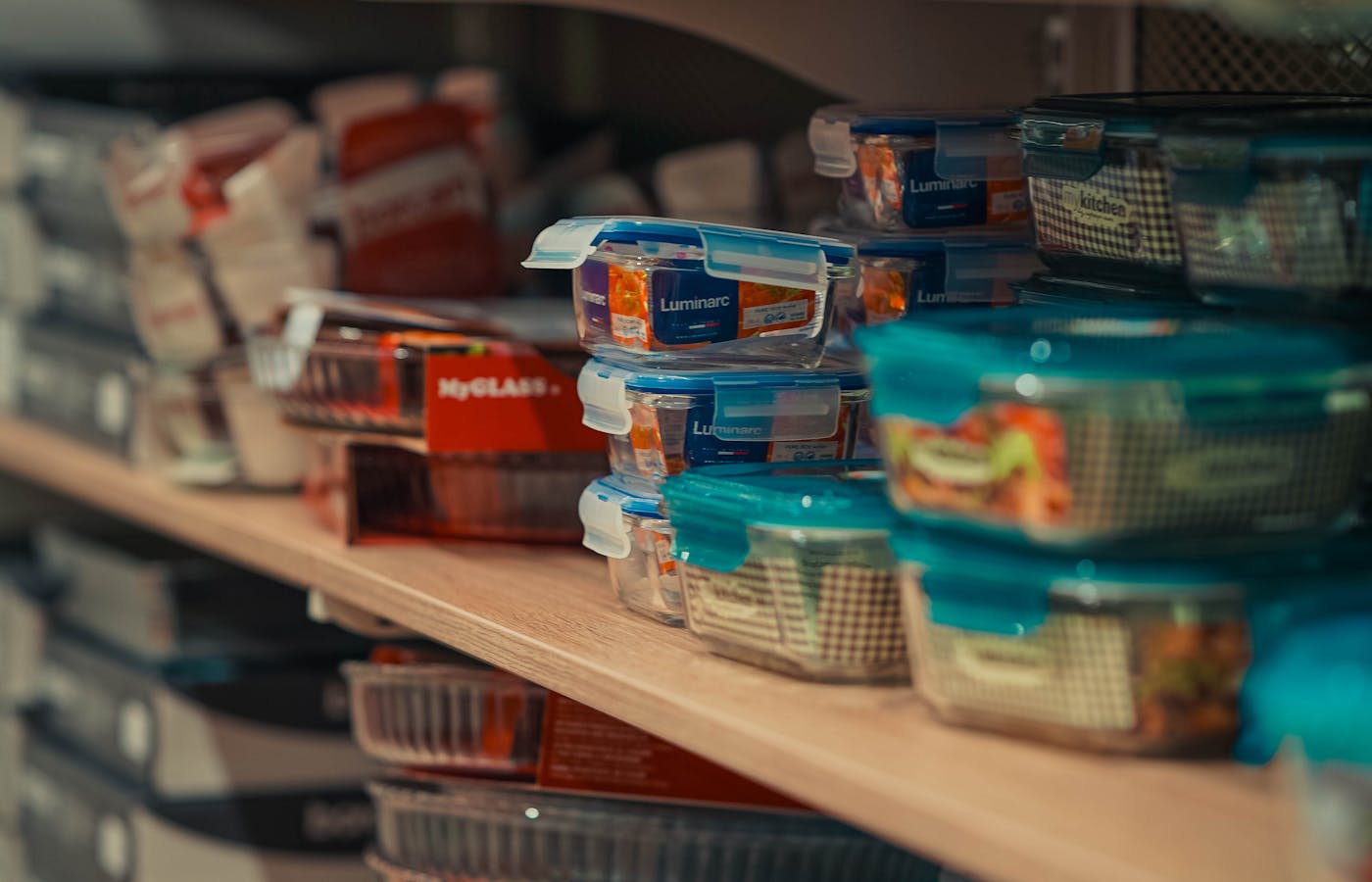
Food containers deserve special attention. Match lids to bottoms before packing. A lid without a container is not a useful item; it is future clutter in a new kitchen.
Moving rewards decisions made early, especially in rooms with lots of small objects.
Decide what furniture fits the next home
Furniture should not move automatically. Measure the next space if you can, and think about doorways, stairs, room layout, storage needs, and how the piece is used. A heavy bookcase, spare chair, or extra table may not be worth moving if it will not fit or serve a clear purpose.
Consider condition as well. Wobbly furniture, damaged shelves, sagging mattresses, and pieces you planned to replace soon may be better handled before moving day. Moving them costs labor and space, even if they leave shortly after arriving.
Take photos of large pieces and write down measurements before deciding. This helps you compare the item against the next room without relying on memory. It also makes selling or donating easier if you decide not to move it.
This does not mean everything has to be new. It means every large item should earn its place because large mistakes are expensive to move twice.
Clear storage areas before the last week
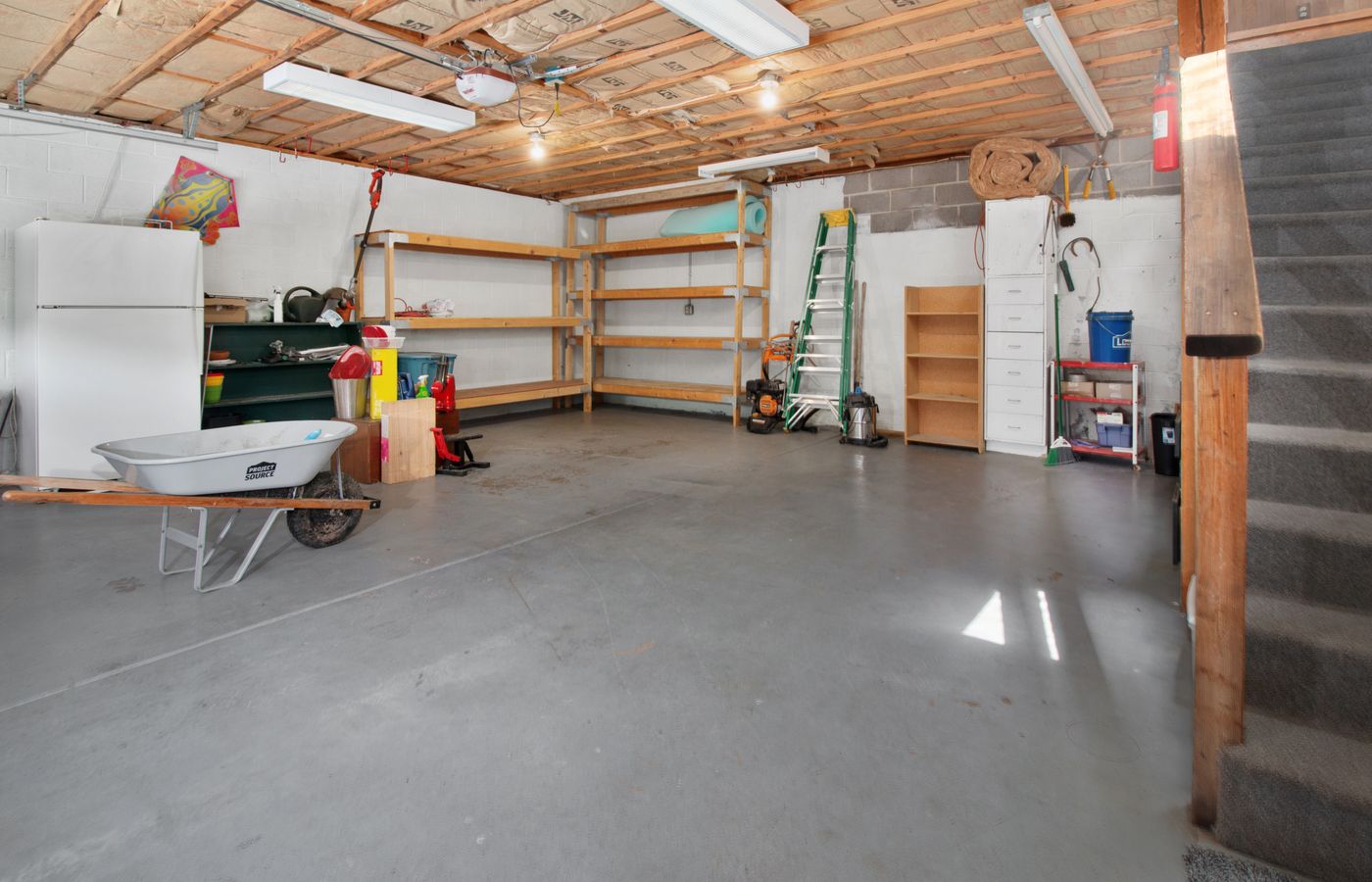
Garages, basements, attics, closets, and under-bed bins often hold the slowest decisions. These areas need attention before the final packing rush because they contain tools, holiday decor, old hobbies, paint, cords, sports gear, extra bedding, and boxes from the last move.
Look for items you forgot you owned. If forgetting did not cause a problem, the item may not need to follow you. Also check whether stored items are safe to move. Some movers will not take paint, chemicals, fuel, or certain cleaning products, so those need proper disposal instead of last-minute confusion.
- Open every closed bin before moving it.
- Label holiday and seasonal items by use, not just by room.
- Donate tools or supplies you replaced long ago.
- Dispose of restricted products correctly.
- Keep only storage containers that fit the next space.
Use packing as the final decision point
Packing should not be a mindless sweep. Every time you touch an item, ask whether you would buy it again, use it in the next three months, or give it a clear home in the new space. If the answer is no, pause before wrapping it.
Keep donation boxes open while you pack. Many decisions appear only when similar items are grouped together. You may not realize you own too many towels, candles, notebooks, or mixing bowls until they are all in front of you.
Set one donation drop-off deadline before the final packing rush. Without a deadline, bags can sit by the door until they become one more thing to load into the car.
- Declutter obvious no items first.
- Handle clothes before closet packing.
- Sort papers before boxing office items.
- Reduce kitchen duplicates and expired food.
- Measure large furniture against the next home.
- Open storage bins before moving week.
What to declutter before moving depends on what you no longer want to pay to carry forward. Start with obvious no items, then move through clothes, papers, kitchen duplicates, furniture, and storage areas. The more decisions you make before packing, the easier the next home is to set up calmly.