How to Organize Storage Bins So You Can Find Everything
Storage bins can either make a home calmer or turn every closet into a stack of mystery boxes. When storage changes affect reachable shelves or heavy items, CPSC home-safety guidance is useful context for keeping the setup safe.
The difference is whether each bin has a narrow job, a useful label, and a place that matches how often the contents are needed.
Sort bins by purpose before choosing labels
Bin purpose is the first place I would slow down because it decides how the rest of the task feels. A label cannot fix a bin that contains holiday lights, old chargers, craft paint, and spare towels together. The category should be narrow enough that the contents make sense without digging.
Pull out one bin at a time and decide the job it should serve. If the bin has more than one unrelated job, split it or remove the weakest category. The label becomes a real promise instead of a vague suggestion.
A bin category should be clear enough that another person could add an item without asking. If the name is vague, the contents will become vague too.
Keep frequent-use bins easy to reach
Place high-use bins at waist or eye level and move rare categories higher or deeper. Heavy bins should stay low even if they are rarely used. The storage area becomes safer and less annoying to use.
Access matters more than matching containers. A bin used every week should not sit under three seasonal bins just because the stack looks tidy.
| Decision | Practical check |
|---|---|
| Seasonal items | Label by season and store higher |
| Tools or supplies | Group by task, not by random leftovers |
| Kids or hobby items | Use open bins when access is frequent |
| Memory items | Use smaller limits and safer containers |
Label bins with names people actually use
A practical pass through labels should answer one question before it adds more work. A label like miscellaneous is almost the same as no label. Use plain phrases such as winter hats, gift wrap, extension cords, beach towels, or tax papers.
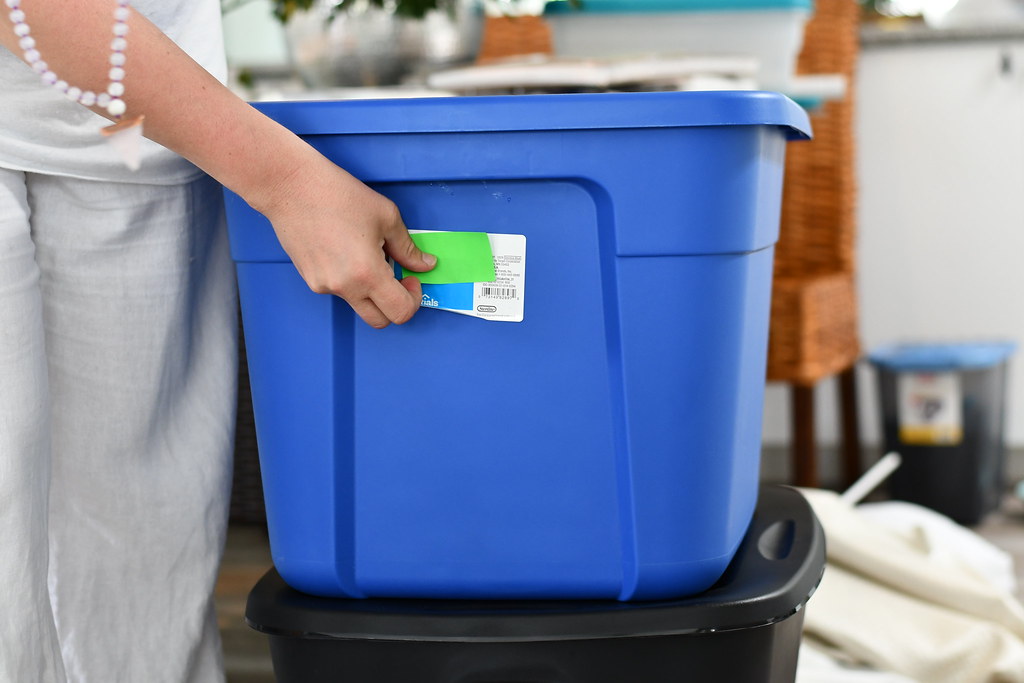
Put labels on the front and one side if bins stack or rotate. Do not over-label individual items inside a simple category. Anyone in the household can find the right bin without asking.
Labels should use the words your household says naturally. Fancy labels fail when nobody recognizes what belongs inside.

Use clear bins only when visibility helps
In the use clear bins only step, keep the standard simple enough that it can survive an ordinary weekday. Clear containers are useful for categories that look different at a glance. Craft supplies, shoes, toys, and pantry overflow can benefit from visibility.
Choose clear bins for quick scanning and opaque bins for visual calm in open areas. A clear bin full of mixed clutter only makes the clutter more visible. The container style supports the room instead of creating more visual noise. Once the bins are sorted, cleaning baseboards without bending too much is a good next detail because low edges collect the dust that storage shuffling often exposes.
Clear bins help only when the inside is controlled. If the contents are mixed, transparency simply makes the confusion easier to see.
- Use fewer broad categories.
- Label two sides when bins stack.
- Keep heavy bins low.
- Review mystery bins before buying more.
Add a simple inventory for deep storage
During the add a simple inventory step, set a real stopping point before the topic starts to feel bigger than planned. Deep storage is where people forget what they own and buy duplicates. A small card taped inside a closet door can list holiday lights, air mattresses, spare cables, or camping items.
Write only the categories that are expensive, seasonal, or easy to forget. Do not build a spreadsheet for items that are used weekly and obvious. Storage becomes a memory aid instead of a hiding place.
A tiny inventory is useful for deep storage because it prevents duplicate buying. Keep it short enough that updating it takes less than a minute.
- Empty one bin.
- Remove items that no longer belong.
- Group the remainder.
- Label by category and date.
Review bins before adding another container
For the review bins before adding review, focus less on perfection and more on whether the next action is obvious. Buying one more bin often delays the real decision. If five bins are already half full, the problem may be categories, not container count.
Review old bins before buying new ones and remove anything that no longer fits the household. A new container should solve a known access problem, not absorb undecided clutter. The storage system stays smaller, clearer, and easier to maintain.
Before buying another container, open the oldest mystery bin. Most storage problems shrink when forgotten items are removed first.
A storage bin should answer what is inside before you open it.
Storage labels also need a maintenance habit. When a bin is opened, remove anything that clearly belongs somewhere else before closing it again. This tiny rule keeps bins from becoming permanent waiting rooms for objects that should be donated, used, repaired, recycled, or thrown away instead of stored under a cleaner label that hides the same old decision for another month.
Storage bins work when they reduce searching. A clear category, a visible label, and a realistic access spot make stored items easier to use and easier to put away again.
Storage bins should also have a return rule. When an item comes out of a bin, decide whether it should go back, move closer to daily use, or leave the house. That small decision prevents bins from becoming long-term parking for items that no longer have a role. A useful bin earns its space by making future searching easier.