Decluttering Questions to Ask Before Keeping Anything
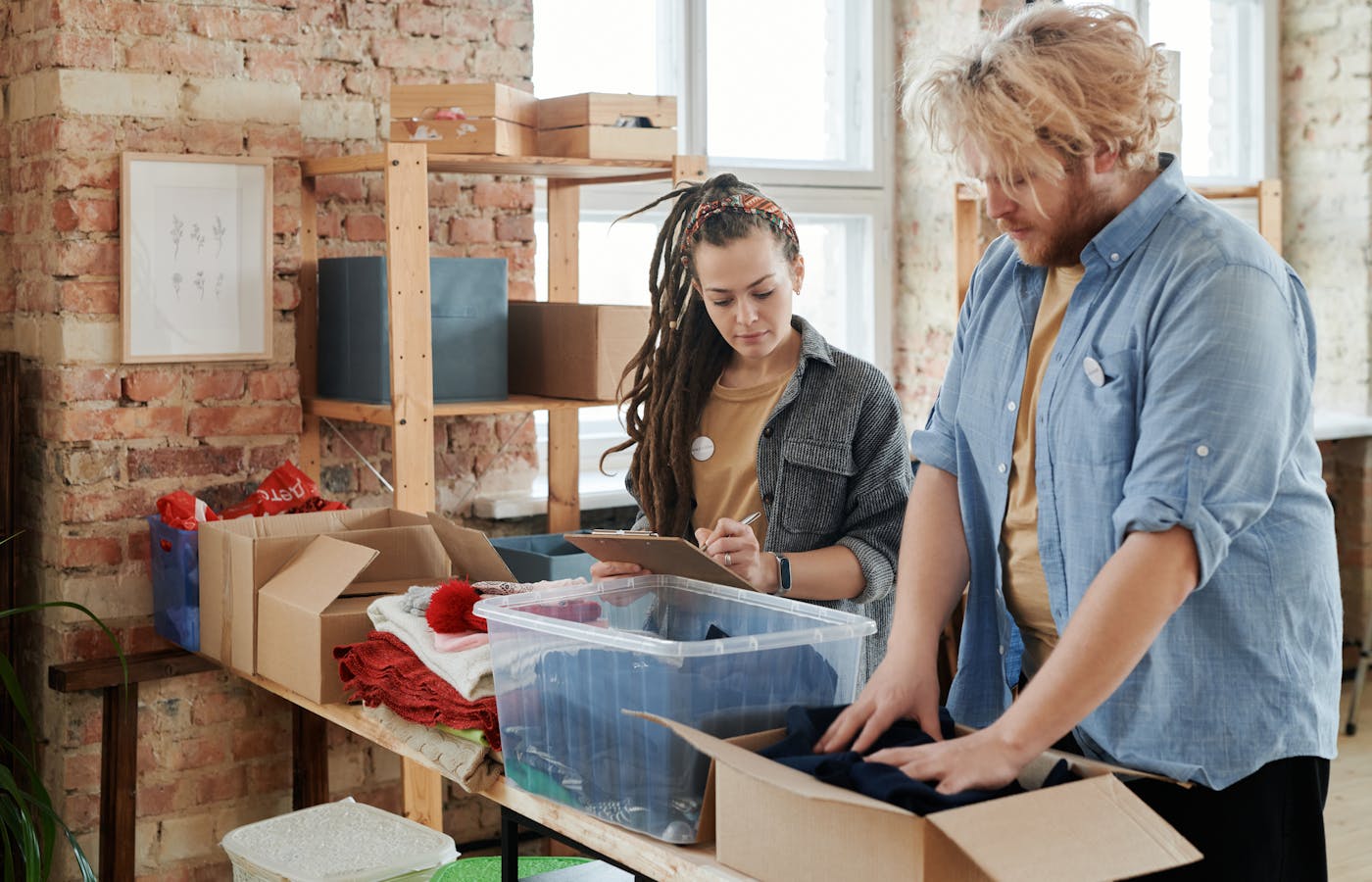
Some clutter stays in the house because the item is useful. A lot of clutter stays because the question is too vague. When the only choice is keep or get rid of it, even a cracked mug or unworn sweater can suddenly feel complicated.
Better decluttering questions give each item a fairer test. They slow down guilt, separate real use from imagined use, and make the keep pile more honest. The goal is not to become ruthless. The goal is to stop giving permanent space to things that only win because the decision feels uncomfortable.
These decluttering questions to ask yourself work best when you answer them in front of the item, not from memory. Holding the object usually tells you more than thinking about it from another room.
Start with decluttering questions before sorting the whole room
Before opening every drawer, choose a small area and ask one simple question: what is this space supposed to help me do? A nightstand supports sleep and morning routines. An entry table supports keys, bags, mail, and leaving the house. A kitchen drawer supports cooking, not every tiny tool that ever entered the home.
That purpose gives the first round of decisions a boundary. If the area is meant for daily use, the easiest keeps are the items that support daily use. The rest may belong somewhere else, need a later decision, or be ready to leave. Without that boundary, decluttering turns into wandering from memory to memory.
I would also avoid asking every hard question at once. Start with objects that have obvious answers: broken items, expired products, duplicates you never reach for, papers that no longer matter, and things that belong in another room. This first pass builds momentum without forcing the emotional decisions too early.
Ask whether the item has a clear job in your current life
The most useful keep question is not whether an item could be useful someday. Almost anything could. The sharper question is whether it has a clear job in your current life. Do you use it, wear it, display it, repair with it, cook with it, read it, or reach for it often enough to justify the space it takes?
This question is especially helpful with items that were useful in a different season. Old hobby supplies, office clothes, baby gear, extra kitchen gadgets, and backup decor may have made sense once. That history does not automatically make them current. A home can respect the past without storing every past version of your routine.
- Have I used this in the last year, and would I choose it again?
- Does it solve a real problem, or only represent a plan I keep postponing?
- Is this the best version I own for this job?
- Would I notice if this item disappeared from the house?
- Does keeping it make the space easier or harder to use?
If the honest answer is unclear, place the item in a small decide-later box with a review date. The box should be temporary, not a new storage category.
Separate guilt from real value when you hesitate
Guilt can sound like value, but it is not the same thing. You may feel guilty because the item was expensive, because someone gave it to you, because it was barely used, or because letting it go feels wasteful. Those feelings deserve respect, but they do not automatically mean the item belongs in your home.
Ask what the guilt is protecting. If it is protecting money, the money has already been spent. If it is protecting a gift, the kindness was in the giving, not in your obligation to store it forever. If it is protecting waste, donation, repair, textile recycling, or passing the item to someone who will use it may be a better answer than silent storage.
A useful test is whether the item makes you feel glad, useful, prepared, or only accused. Items that accuse you every time you see them are not neutral. They take emotional space along with physical space.
Keeping something out of guilt rarely turns it back into something you love or use.
Compare duplicates before keeping every backup
Duplicates are easy to justify because each one seems practical on its own. Extra mugs, scissors, bags, towels, containers, chargers, blankets, pens, and cleaning bottles all have a reason to exist. The problem appears when every reasonable extra starts crowding the item you actually use.
Group duplicates together before deciding. Ten scattered tote bags feel normal until they sit in one pile. Six half-working pens become obvious when you test them. Food containers without matching lids stop looking useful when the full set is on the counter. Comparing duplicates lets the best versions rise quickly.
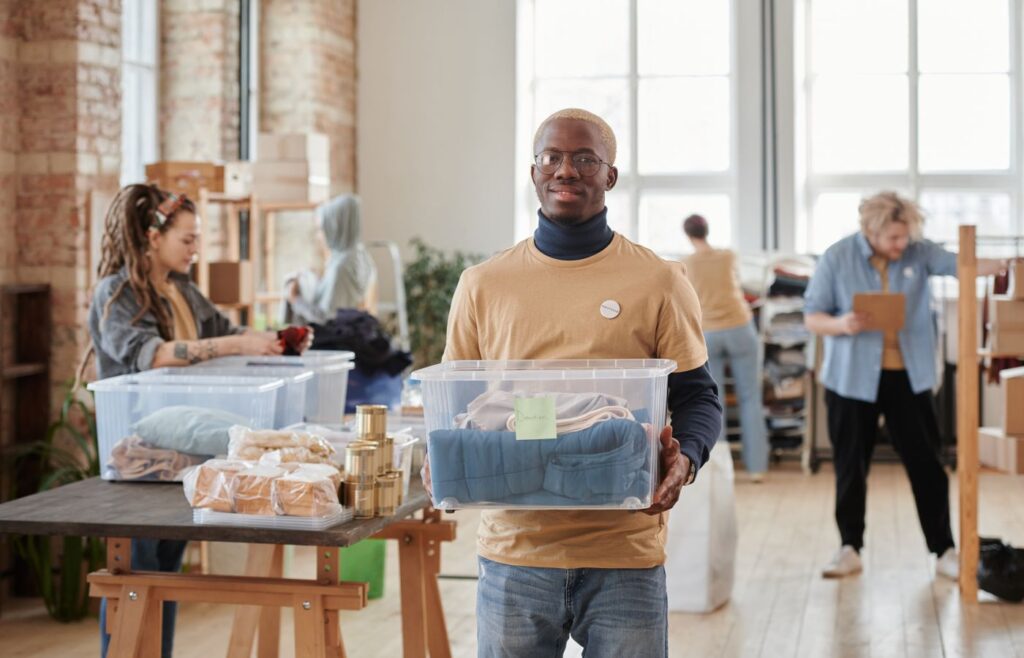
Keep enough for your real rhythm, not your most anxious imagined week. A family may need more towels than one person. A person who packs lunches daily may need more containers than someone who rarely stores leftovers. The number should match life, not fear.
Give sentimental items a more specific question
Sentimental items should not be treated like expired coupons. They carry stories, people, places, and older versions of yourself. The question is not simply whether the item sparks emotion. Many things do. The better question is whether this object is the best keeper of that memory.
Sometimes one photo, one letter, one recipe card, or one small object tells the story better than a full box of loose reminders. A sweater from someone you loved may matter deeply. Five stained bags of unrelated fabric from the same period may be memory fog. Give yourself permission to keep the strongest representatives instead of every object connected to a feeling.
It helps to set a physical limit before sorting. One memory box, one shelf, one folder, or one small drawer turns sentimental clutter into a chosen collection. If the limit fills, compare items inside that boundary rather than expanding the boundary every time the decision gets hard.
- Choose the memory container before opening old boxes.
- Pick the items that tell the story most clearly.
- Photograph bulky objects if the image is enough.
- Write a short note for items you release with gratitude.
- Keep the final memory group somewhere clean, dry, and easy to protect.
Finish with a storage limit before calling the item a keep
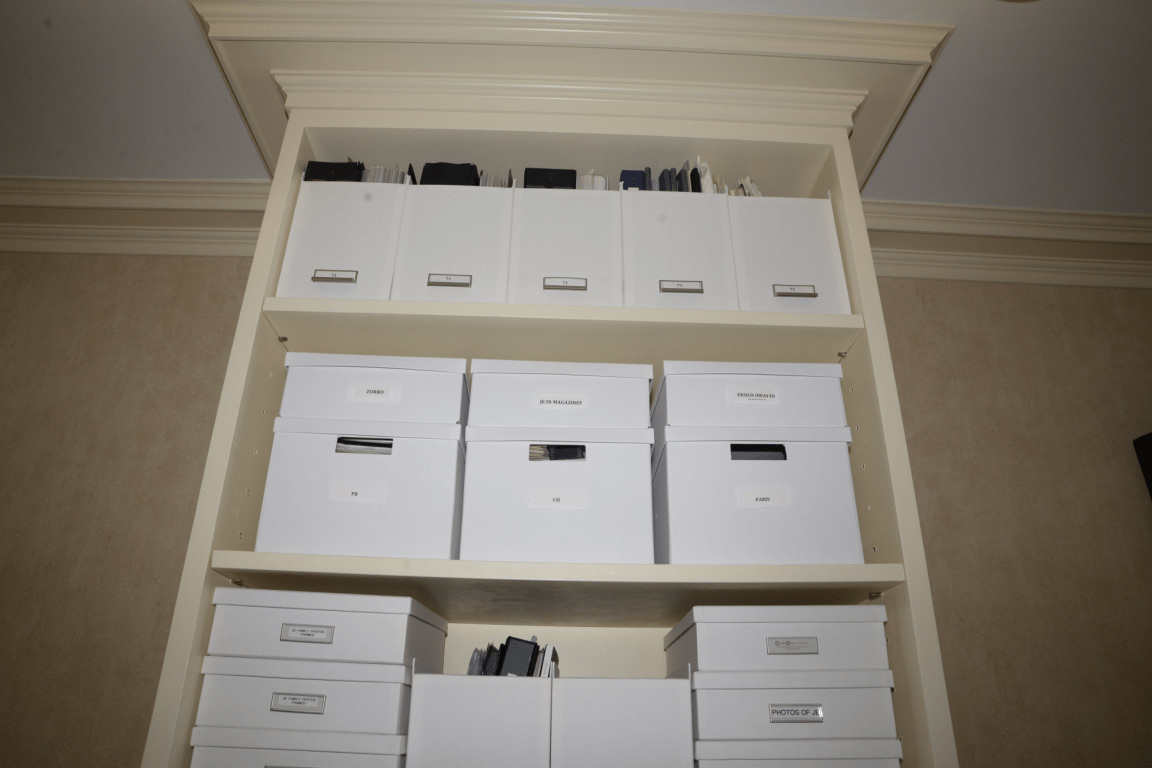
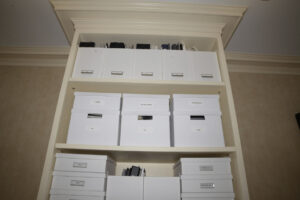
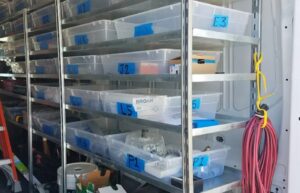
The last question is practical: where will this live? An item is not fully kept until it has a real home. If the answer is the floor, the chair, the counter, the garage pile, or the mystery bin, the decision is not finished. It may still be a keep, but it needs a place that makes sense.
Storage should not rescue every undecided item. If a closet needs three new bins before it can hold what you kept, the problem may be the keep pile, not the storage system. Good storage makes chosen items easier to reach. It should not hide hundreds of decisions you did not want to make.
- Can I name the exact drawer, shelf, hook, bin, or cabinet for this item?
- Will I be able to get it back out without moving five unrelated things?
- Does it belong near the place where I use it?
- Is the storage space already overfull?
- Would I buy this again if I saw it in a store today?
Decluttering questions are useful because they turn a vague emotional task into smaller decisions. Ask what the space is for, whether the item has a current job, whether guilt is driving the answer, how many duplicates you really need, which sentimental pieces tell the clearest story, and where each keep will live. The result should feel less like a purge and more like a home that is easier to use.